

Former first lady Jill Biden has strongly defended her husband, Joe Biden’s, decision to grant an executive pardon to their son, Hunter Biden, asserting that the family “just could not let our son go to jail.” In a candid interview with Rita Braver for CBS Sunday Morning, the 74-year-old former FLOTUS detailed the complex personal and political considerations that underpinned the unprecedented full executive pardon.
During the televised discussion, Jill Biden outlined a series of justifications that the family believed made the sweeping pardon a necessary and righteous act, particularly in light of then-President Biden’s prior public commitments against issuing such a pardon.
A Shift in the Political Landscape
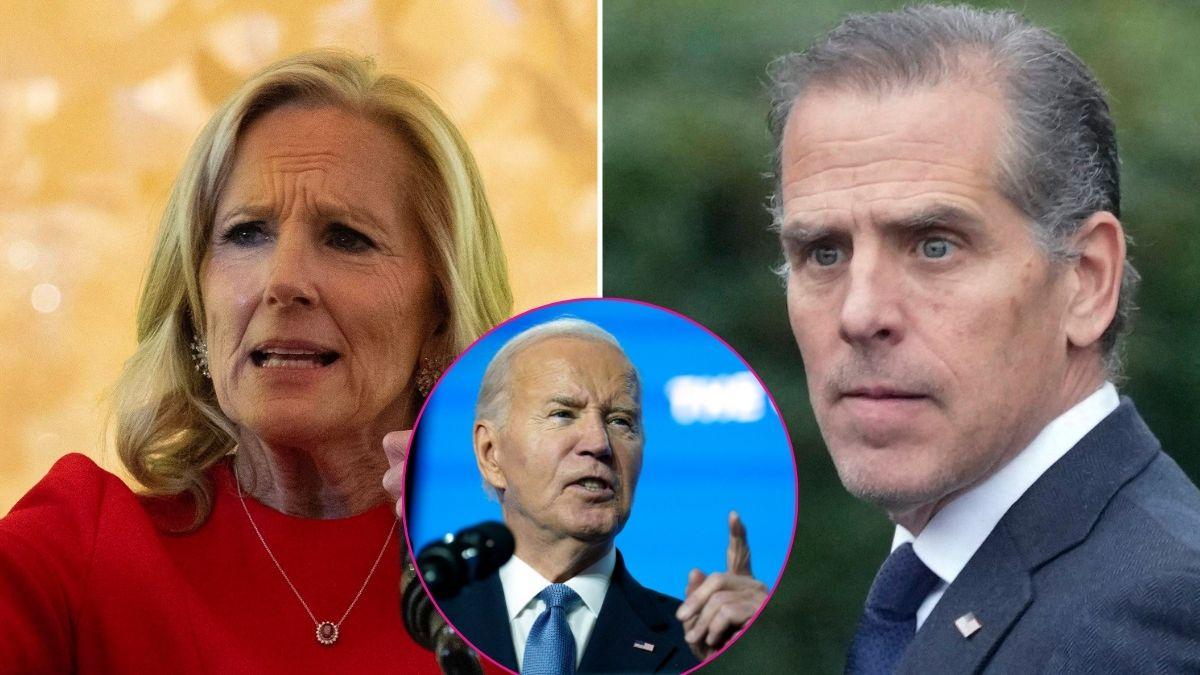
Jill Biden explained that the outcome of Donald Trump’s election victory in 2024 fundamentally altered the family’s calculus. The Bidens became increasingly convinced that the incoming Trump administration, with a purportedly recalibrated Justice Department, would aggressively pursue Hunter Biden.
“When Trump was elected, things changed,” Jill Biden stated, conveying a palpable sense of foreboding. “And we knew that he would target Hunter. And we just could not let our son go to jail on a charge that no one would go — I mean, no one has ever gone to jail for.” This sentiment suggests a belief that the charges, while legally levied, were being pursued with an undue level of political motivation.
Understanding the Hunter Biden Scandal
The context for this pardon is rooted in a series of legal challenges faced by Hunter Biden. In June 2024, he was convicted of three felony charges stemming from the purchase of a revolver in 2018, a period during which he was reportedly battling a drug addiction. The charges specifically related to falsifying background check paperwork at the time of the purchase. Subsequently, in September 2024, Hunter Biden entered a guilty plea to nine federal tax evasion charges.
Interestingly, while Donald Trump himself has never been personally convicted of tax evasion, two corporate entities associated with his business empire – the Trump Corporation and Trump Payroll Corp. – were found guilty of criminal tax fraud in 2022. The Trump Organization was implicated in a long-standing scheme, spanning 15 years, designed to help its top executives avoid paying taxes on various employment perks and benefits. More recently, the Department of Justice (DOJ) entered into an agreement that permanently prohibits the IRS from auditing or pursuing past tax claims against President Biden, his sons, and any associated businesses or trusts. This particular addendum was a resolution to a substantial $10 billion lawsuit initiated by Donald Trump against the IRS, alleging the leakage of his tax returns, though this action itself ignited considerable political controversy and scrutiny.
A United Family Front
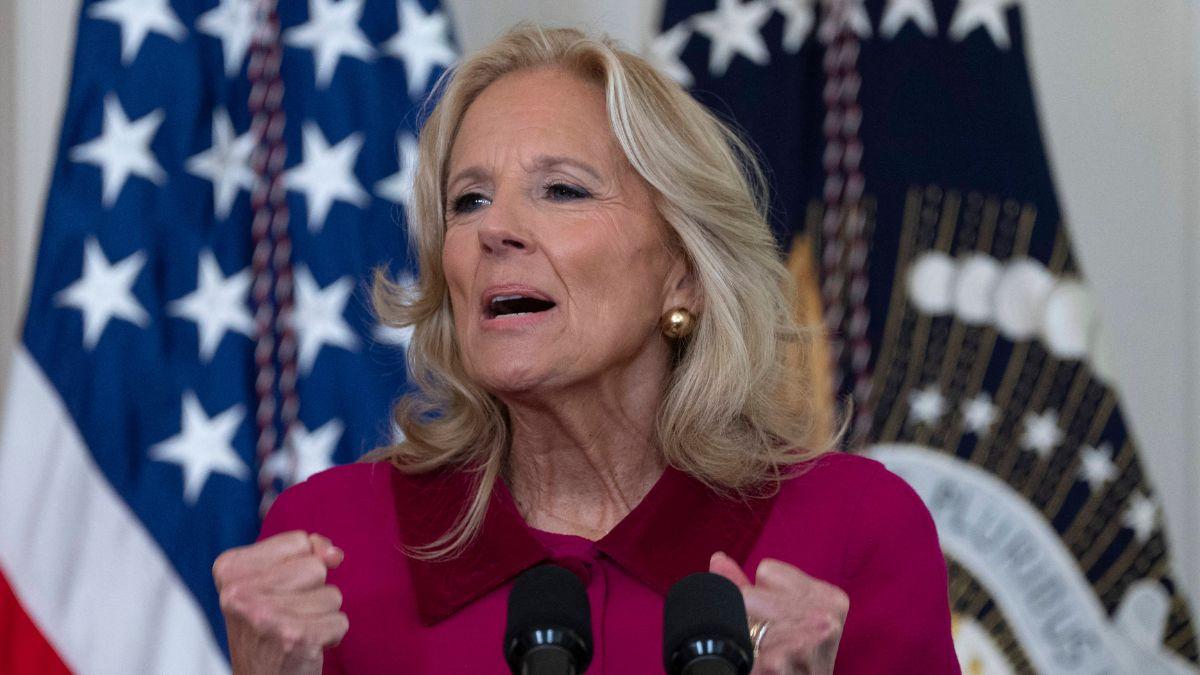
When directly asked about her involvement in influencing her husband’s decision, Jill Biden clarified that she was not merely a passive observer but an active supporter. “I truly supported it,” she affirmed. “I wanted him to pardon Hunter at that point, and I agreed with Joe.” This highlights a shared family conviction and a unified approach to navigating the crisis.
Furthermore, when questioned about the rationale behind President Biden’s decision to issue preemptive pardons to several other family members before departing office – a move described as historically rare – Jill Biden reiterated the same fundamental reason. The family believed that these individuals, like Hunter, would also become targets of political persecution under the new administration.
The Precedent of Presidential Pardons
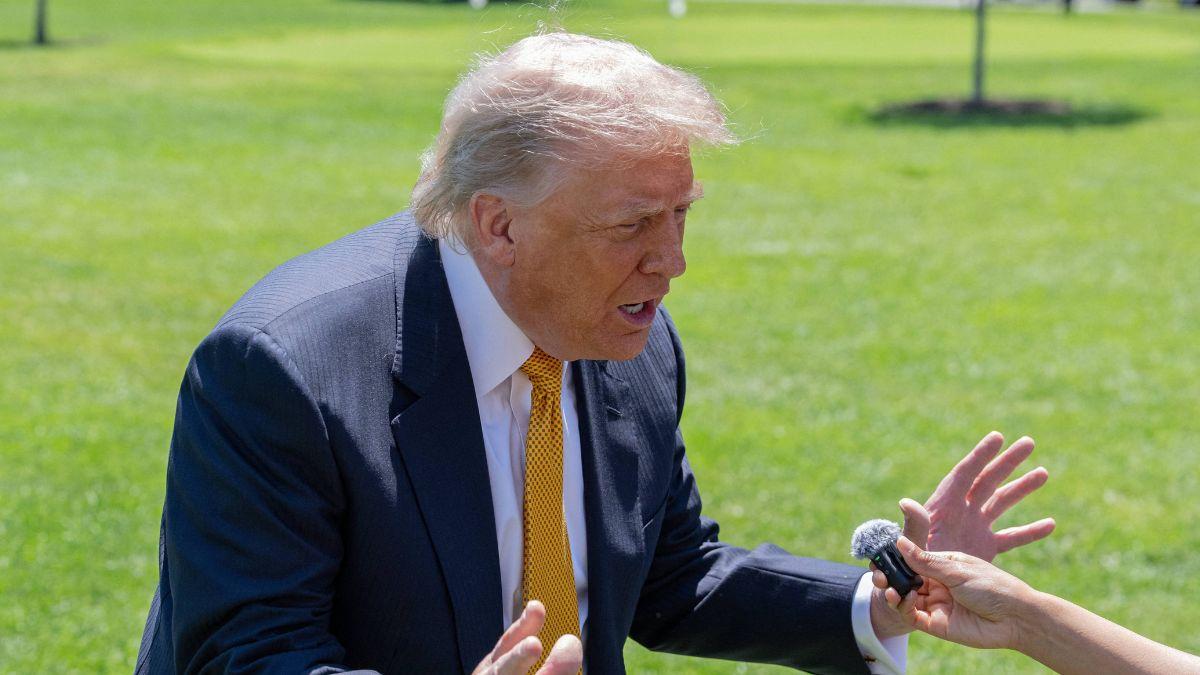
The expansive pardon, issued in late 2024, effectively expunged Hunter Biden’s federal criminal record, which was a consequence of two distinct legal proceedings initiated that year. This pardon ignited significant bipartisan condemnation. However, Jill Biden’s public statements consistently frame the decision as a protective measure against what the family perceives as the weaponisation of the justice system for political ends.
Donald Trump’s tenure in office was marked by numerous controversial pardons and commutations, actions that spanned both his first and second terms. These decisions frequently drew widespread criticism for appearing to favour political allies, significant financial donors, and individuals convicted of fraud, often deviating from established Department of Justice standards. In a particularly notable action on his first day back in office, the then-President pardoned over 1,500 individuals connected to the January 6, 2021, Capitol attack, including those who had physically assaulted law enforcement officers. He also commuted the 18-year prison sentence of Oath Keepers leader Stewart Rhodes and issued a full pardon to Proud Boys leader Enrique Tarrio. These actions set a precedent that raised questions about the impartial application of justice and the role of presidential clemency.


