The Search for Lunar Ice: A Long-Awaited Quest
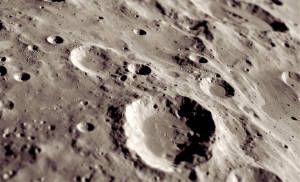
For years, scientists have speculated that the Moon’s permanently shadowed regions (PSRs), deep craters near the poles that never receive direct sunlight, might harbor vast quantities of water ice. This ice could be a game-changer for future human missions to the Moon, providing a potential resource for drinking water, oxygen, and rocket fuel. The Moon’s lack of atmosphere means these regions stay incredibly cold, making them ideal candidates for storing ice that never melts.
To confirm the presence of water ice, astronomers rely on its unique reflective properties. Water ice reflects visible light differently from the surrounding lunar regolith (the loose dust and rock on the surface), and it scatters light in a distinctive pattern. If large quantities of ice were present, these differences would be easily detectable through high-resolution imaging.
ShadowCam’s Groundbreaking Observations
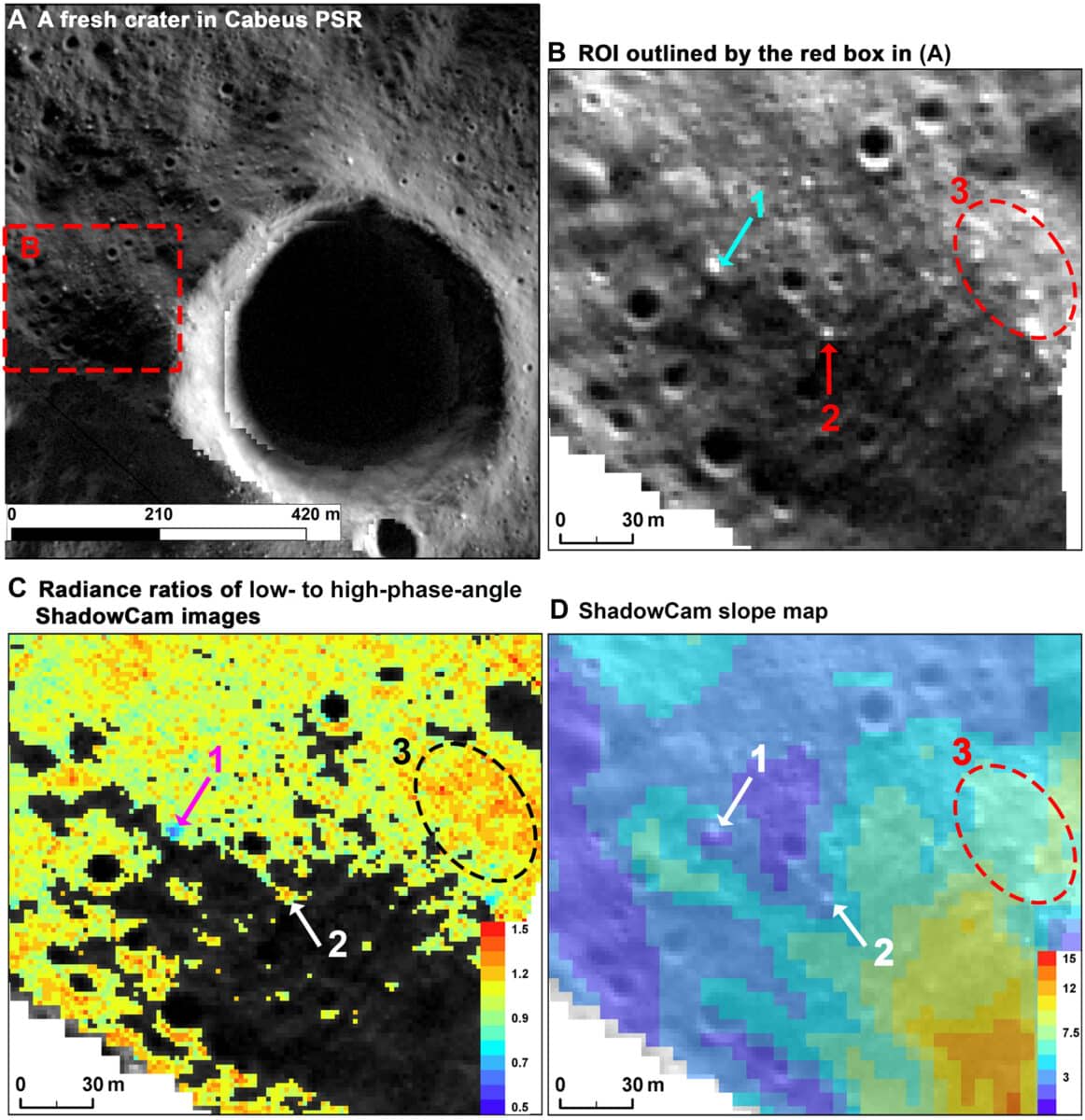
In their latest study, a team of astronomers led by Shuai Li from the University of Hawaii at Manoa turned to ShadowCam, a camera aboard the Korea Pathfinder Lunar Orbiter, to probe these shadowed regions. The camera, designed to capture high-resolution visible-wavelength images, helped the team measure the reflectance and scattering patterns of the lunar surface with precision. Their goal was clear: to detect the telltale signs of water ice.
While astronomers have long suspected that lunar ice may not be pure, forming mixtures with regolith, they hoped that even small concentrations of ice, about 20-30%, would be detectable using ShadowCam. These mixtures would produce unique optical signatures, with more reflective and forward-scattering properties compared to surrounding rock.
A Surprising Revelation: No Abundant Ice Detected
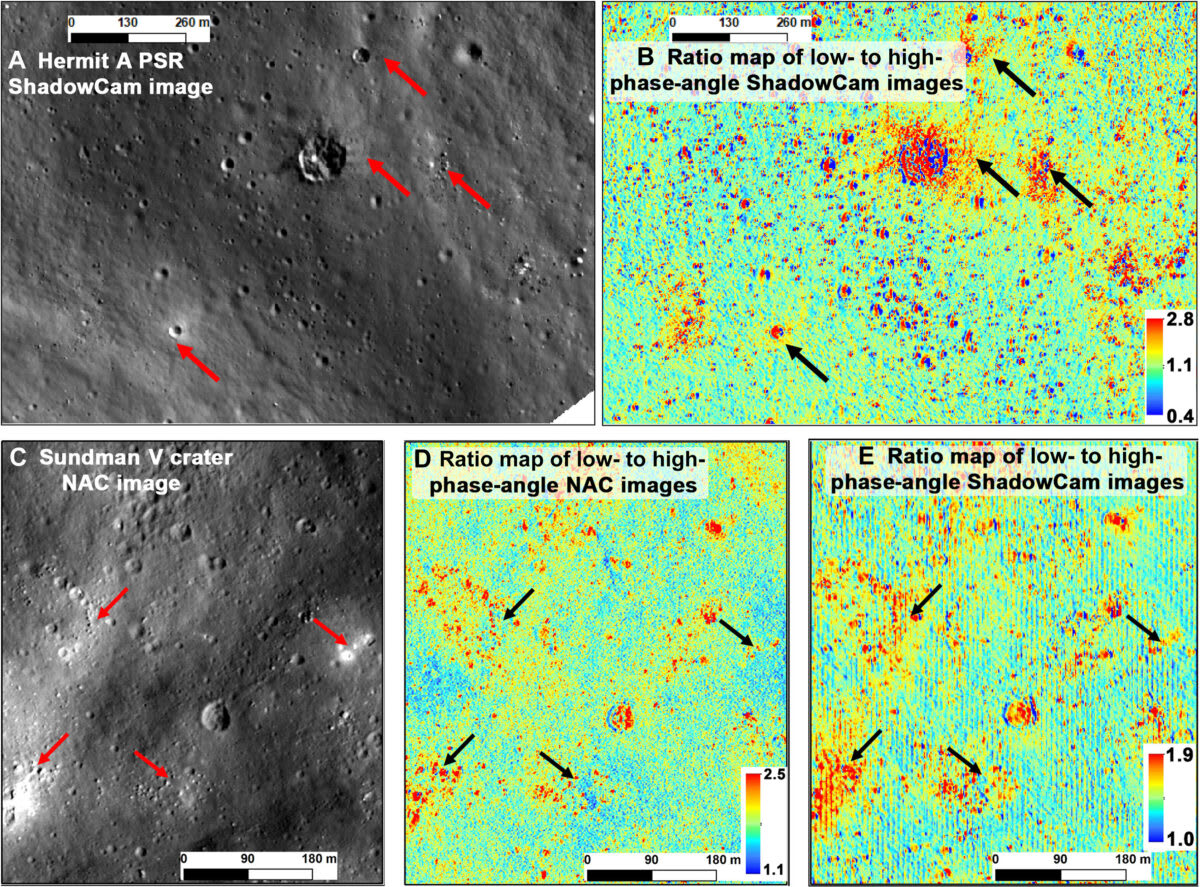
The results were unexpected and challenging for the scientific community. The study revealed no evidence of the significant ice deposits many had hoped for. In fact, even at the lower detection threshold of 20-30% ice in the surface material, no clear signals were detected in the areas the team examined. This was a major blow to the hypothesis that the Moon’s PSRs contain large amounts of water ice.
This finding does not completely rule out the presence of ice. The study suggests that while there may still be trace amounts of ice present, below the detection limits of current technology, abundant ice seems unlikely. Specifically, the team detected some signatures that could be consistent with mixtures containing less than 10% water ice, but these amounts fall below the threshold required for a definitive identification.
What Does This Mean for Lunar Exploration?
The implications of this discovery are significant for the future of lunar exploration. If abundant ice is absent from the Moon’s PSRs, the resource potential of these regions becomes less promising for upcoming lunar missions, especially those with plans to use in-situ resources for water, oxygen, and fuel production.
However, the study’s results do not mean that ice is completely absent from the Moon. Small amounts of ice, possibly trapped within the regolith, could still exist, and future missions may be able to detect these traces. In fact, Li and his team plan to push detection limits even further in future studies, aiming to identify ice concentrations as low as 1%. Even these small amounts of ice could provide valuable insights into the Moon’s history and offer crucial resources for human exploration.
Future Directions and Research
The findings from this study open new avenues for research and exploration. Scientists are now focusing on refining detection techniques to identify even smaller concentrations of ice. This could involve developing more advanced instruments capable of detecting subtle changes in reflectance and scattering patterns.
Additionally, future missions may target different regions of the Moon, exploring whether other areas might hold more promising ice deposits. By expanding the scope of their investigations, researchers hope to gain a more comprehensive understanding of the Moon’s composition and potential resources.
As the quest for lunar ice continues, the scientific community remains committed to uncovering the mysteries of our nearest celestial neighbor. Whether or not abundant ice exists, the journey to understand the Moon’s secrets is far from over. Each discovery brings us one step closer to unlocking the potential of space exploration.