South Korea’s Export Surge: Semiconductors Lead the Charge to Record Highs
South Korea has achieved a monumental milestone, with its exports reaching an unprecedented peak in 2025, driven by an insatiable global appetite for semiconductors. This remarkable achievement occurred despite a year marked by significant global trade disruptions, including the impact of tariffs imposed by the United States.
Official data released on Thursday revealed that the nation’s total exports for the year surpassed an astounding US$700 billion. This figure represents a robust increase of 3.8% compared to the preceding year, underscoring the resilience and dynamism of the South Korean economy on the international stage.
The Semiconductor Boom: Fueling Unprecedented Growth
The star performer in this export success story is undoubtedly the semiconductor industry. A worldwide surge in interest and investment in artificial intelligence (AI) technologies has propelled demand for these critical components to new heights. The industry reported a staggering US$173.4 billion in exports in 2025, a record-breaking figure and a significant jump of over 20% from the previous year.
The ministry highlighted that high-priced memory chips, which are fundamental to the operation of AI data centres, were particularly in high demand. These advanced chips are the backbone of the burgeoning AI ecosystem, powering everything from complex algorithms to vast data processing capabilities.
South Korea’s dominance in this sector is further solidified by the presence of global tech giants like Samsung Electronics and SK Hynix. These companies are at the forefront of memory chip manufacturing, supplying essential components that are indispensable for the advancement of AI and the underlying infrastructure that supports it. Their innovation and production capacity are crucial to meeting the escalating global demand.
Automotive Sector Shows Remarkable Resilience
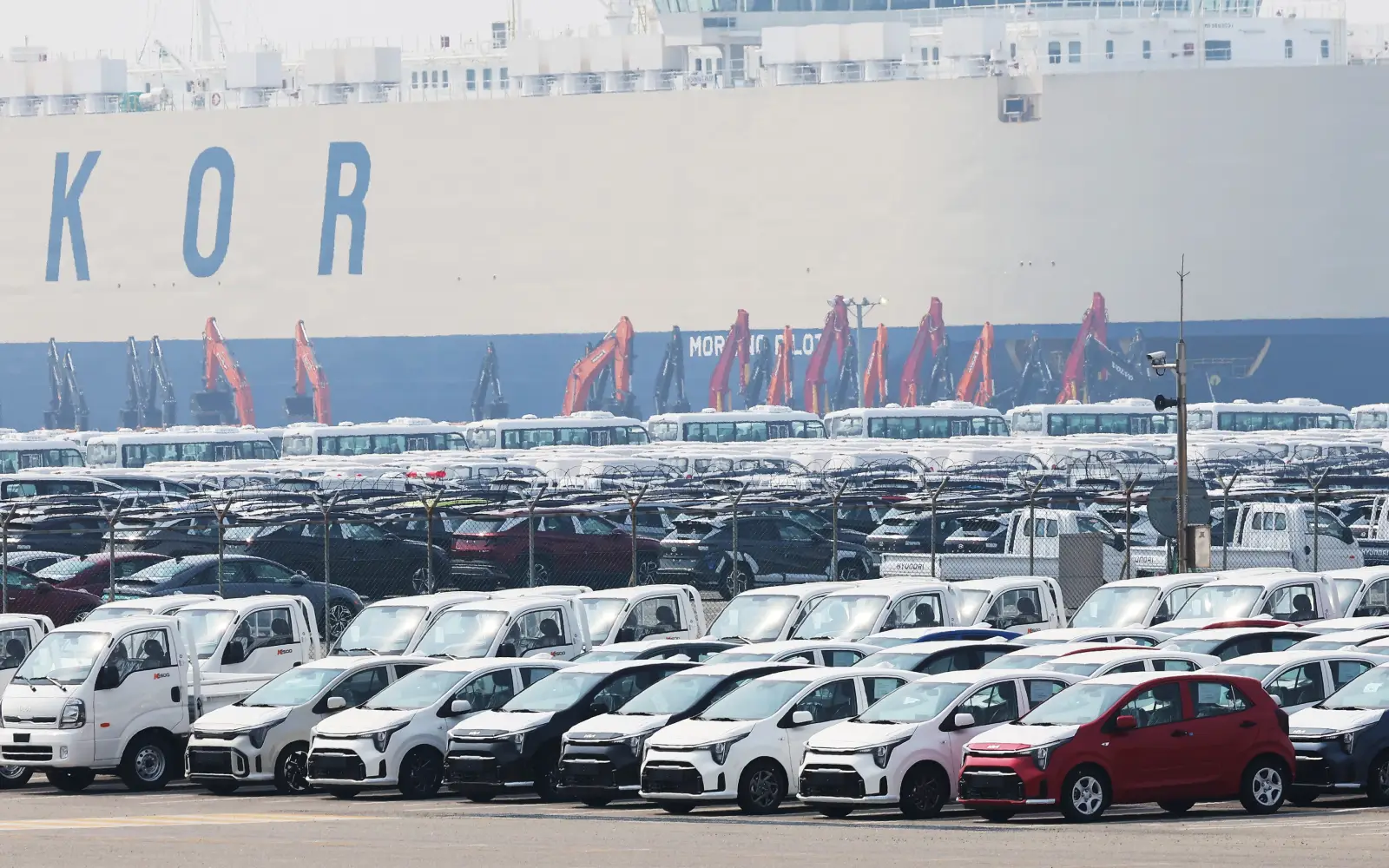
Beyond semiconductors, South Korea’s other key export commodity, automobiles, also demonstrated impressive performance. Despite facing considerable pressure from US tariff policies, auto shipments rose to a record US$72 billion. This indicates a strong global market for South Korean vehicles and the industry’s ability to navigate challenging trade environments.
The nation, which is Asia’s fourth-largest economy, initially faced a significant 25% across-the-board tariff from the United States. However, through intense negotiations, a last-minute agreement was secured, resulting in a reduced tariff rate of 15%. This outcome, while still a challenge, allowed for a more favourable trading environment for South Korean automotive exports.
South Korea’s position as one of Washington’s major trading partners undoubtedly played a role in the eventual tariff negotiation. The strong performance of its export sectors, particularly semiconductors and automobiles, reaffirms its critical role in the global supply chain and its ability to adapt and thrive even amidst economic uncertainties. The nation’s continued investment in technological innovation and its strategic position in key global industries point towards a promising outlook for its export landscape in the years to come.