
The Ghost of Liam Byrne’s Note Haunts Labour Again, This Time with a Twist
For over a decade and a half, a single, seemingly innocuous 15-word message played a significant role in keeping the Labour Party out of power. This was the infamous note left by Liam Byrne, the Treasury Chief Secretary in Gordon Brown’s outgoing Labour Government, for his successor, David Laws, a key figure in the Conservative-Liberal Democrat coalition that swept to power in 2010. The handwritten message, a relic of the pre-WhatsApp era, was stark: “Dear Chief Secretary, I’m afraid there is no money. Kind regards – and good luck! Liam.”
While Byrne intended it as a private, perhaps even darkly humorous, jest, the note was swiftly made public by the then-ruling Conservatives. They wielded it relentlessly, and arguably cynically, over the following ten years as irrefutable “proof” that Labour was fiscally irresponsible and could not be trusted with the nation’s finances. The tactic, unfortunately for Labour, proved devastatingly effective, contributing to three successive election defeats in 2015, 2017, and 2019.
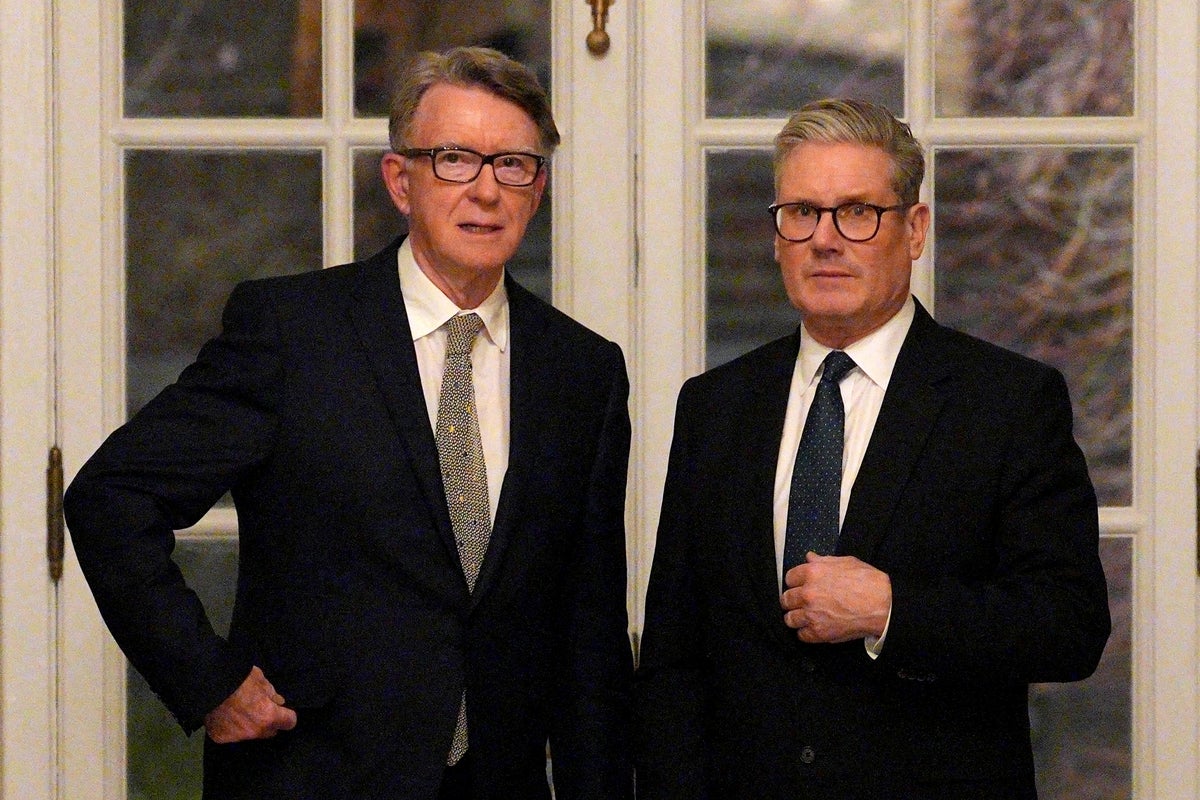
Now, a new, equally damaging exchange has emerged, potentially eclipsing the impact of Byrne’s fateful note. This latest revelation comes from a series of candid online conversations between former Labour heavyweight Lord Mandelson and Pat McFadden, a senior figure within Keir Starmer’s current Shadow Cabinet, and a staunch loyalist until this point. While Mandelson’s opinions, sometimes penned at 4 am due to his evident frustration, paint a picture of a “beleaguered and bereft” Downing Street lacking “panache” or “dynamism” under Starmer’s leadership, it is a comment from McFadden that is poised to inflict the most severe political damage.
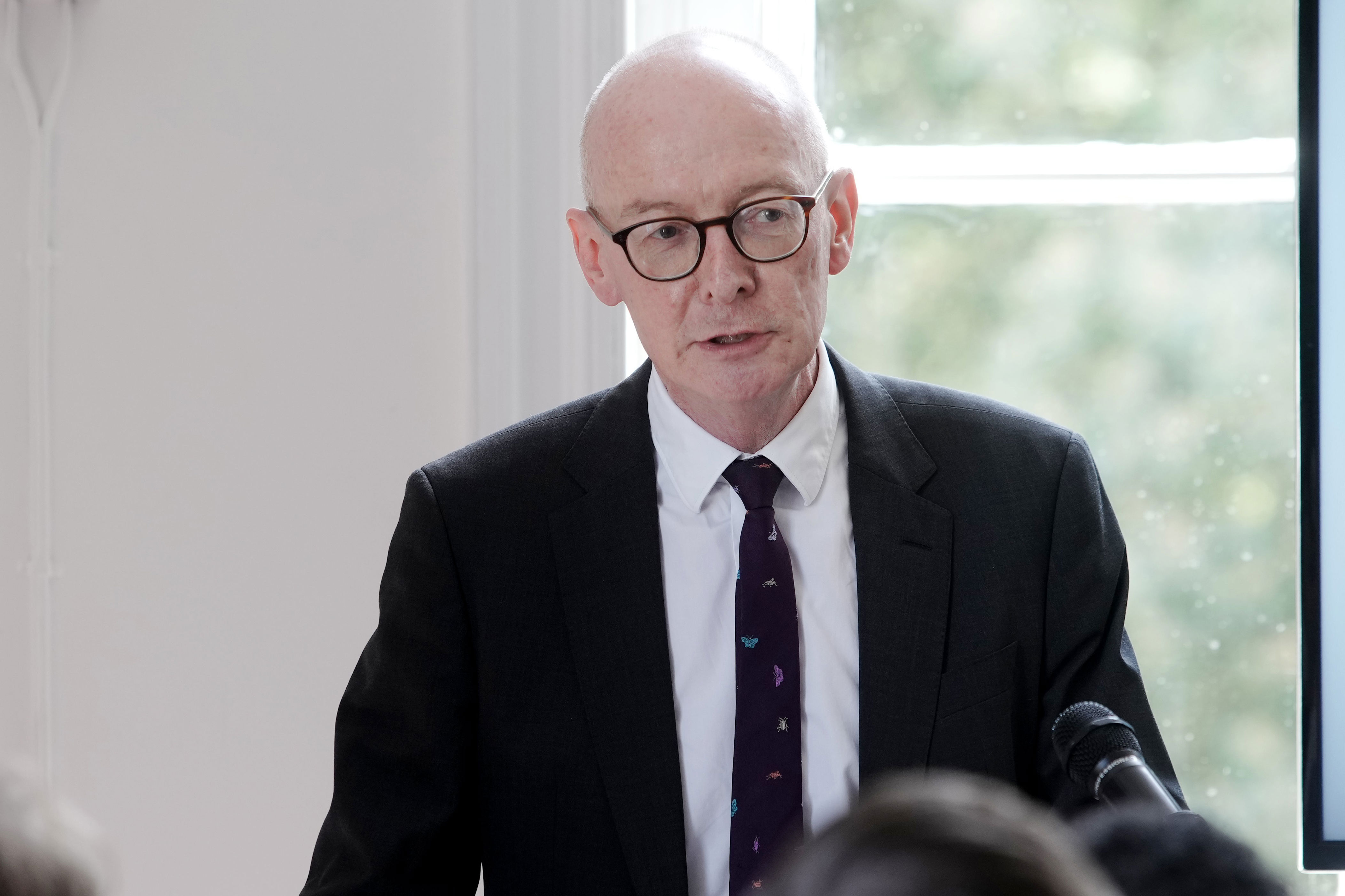
McFadden, who holds responsibility for addressing the escalating costs of welfare benefits, laments in one of his exchanges: “Every meeting I have is ‘who can we tax to pay benefits to others.’ They are asking the wrong questions.” This observation is nothing short of jaw-dropping.
A 14-Word Slogan for the Opposition
The implications of McFadden’s remark are profound, particularly in the context of the upcoming general election. Reform UK and the Conservatives, expected to be Labour’s primary adversaries, have long accused the party of being too lenient on welfare spending. Now, they have been handed a potent, 14-word slogan, conveniently crafted by a Labour Cabinet Minister himself, for their next poster campaign. This slogan is short, simple, powerful, and undeniably memorable: “Every meeting I have is ‘who can we tax to pay benefits to others.’”
Labour may find it incredibly difficult to shake off this damaging indictment. Had a figure like Nigel Farage or Kemi Badenoch uttered such a phrase to attack Labour, the party would have rightfully cried foul, labelling it “dog whistle politics.” However, in this instance, it is Lord Mandelson and Pat McFadden who have inadvertently blown the whistle on Keir Starmer and the Labour Party, providing their opponents with a devastatingly effective weapon.
Echoes of Thatcher’s Triumph
McFadden’s remark carries distinct echoes of past Labour vulnerabilities and Conservative campaign triumphs. It mirrors Liam Byrne’s disastrous own goal in 2010. Furthermore, it harks back to the 1979 General Election, the first I covered as a Westminster journalist. Margaret Thatcher’s victory over Labour that year was significantly boosted by a poster campaign featuring a lengthy dole queue, emblazoned with the slogan ‘Labour Isn’t Working.’ This was a highly effective, albeit questionable, tactic; it later emerged that the individuals depicted as unemployed were, in fact, actors.

The Conservatives, however, were unconcerned with such details. Their objective was victory, and they achieved it, remaining in power for a remarkable 18 years. They had successfully exploited Labour’s perennial Achilles’ heel: the persistent accusation of economic incompetence and a perceived softness on welfare.
Starmer’s Challenges and the “McFadden Question”
To date, Keir Starmer has struggled to entirely dispel this damaging caricature. His administration has made limited progress in fostering the economic growth he promised. Moreover, he was forced into a humiliating U-turn on his pledge to reduce the welfare bill following a rebellion from left-wing MPs. Current polling indicates that the ever-increasing welfare bill remains a significant concern for voters, including a portion of the Labour electorate.
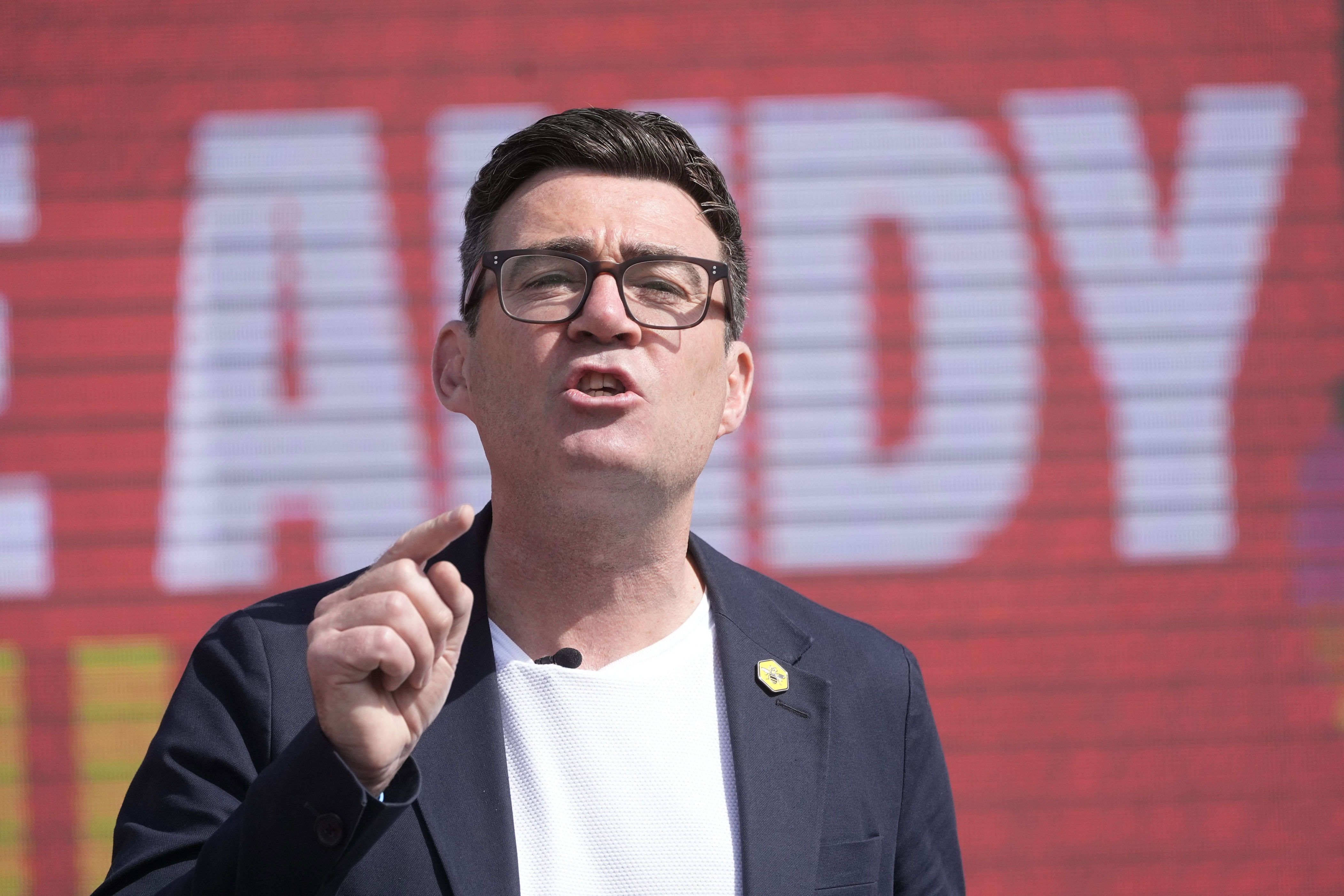
Even a potential shift in leadership to Andy Burnham, who is considered politically to the left of the current Prime Minister, offers little prospect of a crackdown on welfare claimants. Consequently, as the next election approaches in two to three years’ time, regardless of who is at the helm, Labour is likely to be confronted with what may become known as the “McFadden question”: “Who is it taxing to pay benefits to others?”
Unless Labour can provide a convincing and reassuring answer to this fundamental question, the prospect of another election defeat looms large. Any Labour MP who doubts the severity of this potential crisis would do well to have a candid conversation with Liam Byrne. His 2010 note serves as a stark reminder of how a few ill-chosen words, amplified by political opponents, can have a decade-long impact on a party’s fortunes. McFadden’s seemingly offhand remark, however, carries the potential for even greater, and more immediate, electoral devastation.


