
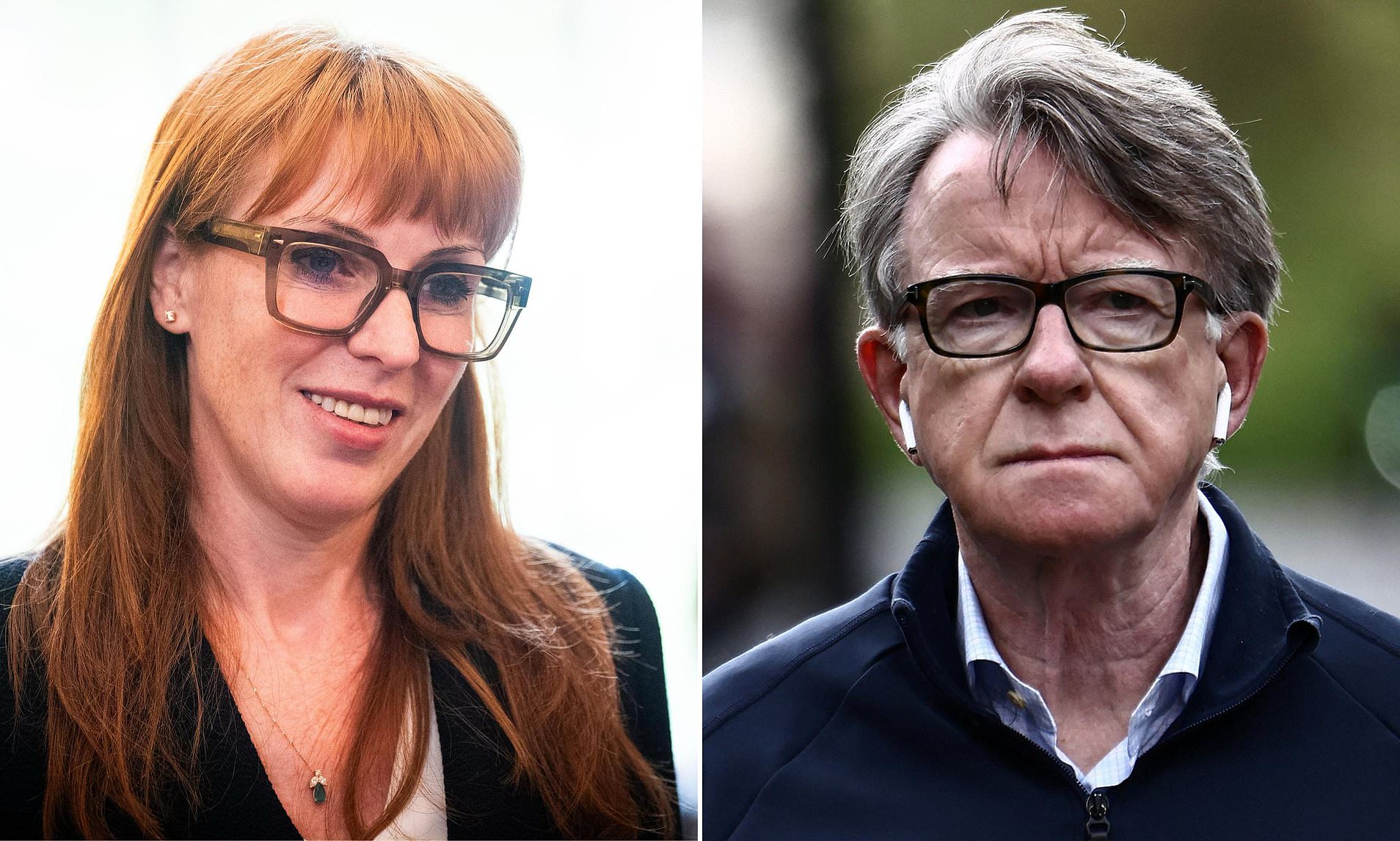
Internal Labour Party Strife Laid Bare in Leaked Mandelson Files
New revelations from the Peter Mandelson files have provided a candid and at times unflattering glimpse into the inner workings of the Labour Party, exposing internal tensions and criticisms among key figures. The extensive documentation, released following a Conservative-led vote, paints a picture of behind-the-scenes maneuvering and doubts about leadership, particularly concerning Sir Keir Starmer.
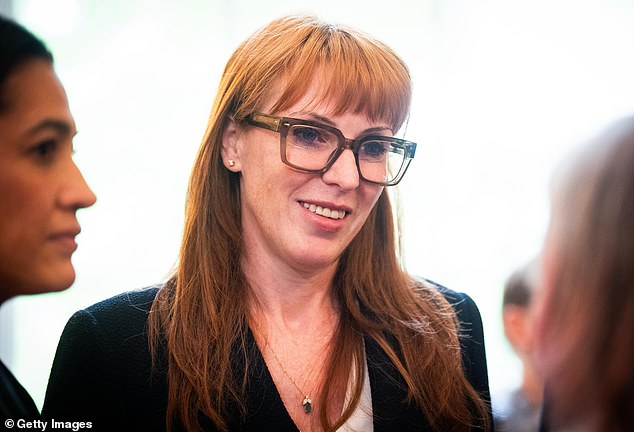
One of the most prominent figures to emerge in the files, albeit in a critical light, is Angela Rayner, the former Deputy Prime Minister. In correspondence from May of last year, Lord Mandelson described Rayner as a “destabilising” force within the government. He elaborated on this sentiment, suggesting that while former Prime Minister Gordon Brown may have had issues with Keir Starmer, he didn’t genuinely see Rayner as a leadership alternative but rather as someone who could disrupt the party’s stability.
This sentiment appears to have been echoed by other senior figures. Cabinet Minister Pat McFadden, in a text exchange, accused Ms Rayner of “manoeuvring” against Sir Keir, noting that such actions “doesn’t feel good for Keir.” McFadden also reportedly criticised Ms Rayner for her “notably silent” presence at a crucial “away day” event intended to bolster Sir Keir Starmer’s standing. Ms Rayner herself played a significant role in advocating for the release of the Mandelson files when the Conservatives initiated a vote in February, highlighting her assertive approach within party politics.
The over 1,500 pages of released material offer a stark insight into the perceived chaos and challenges faced within Starmer’s government. The files reveal discussions among Mandelson and other ministers where concerns were raised that “things don’t look good” for the Prime Minister. Furthermore, the files contain blunt assessments of Downing Street staff, who were labelled as “sub-optimal.”
The internal friction wasn’t limited to Rayner. Wes Streeting, who held the position of Health Secretary and is now considered a leadership hopeful, was described by Mandelson as having sent a “wild long hysterical message” criticising Israel.
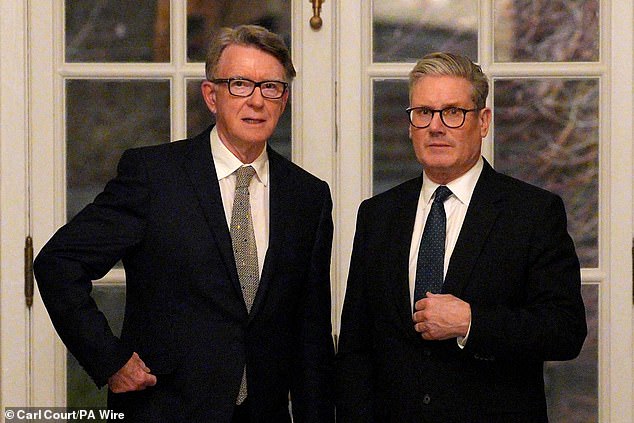
Adding to the narrative of internal discord, a handwritten note from Mandelson to then-Foreign Secretary David Lammy at the close of 2024 foreshadowed potential future developments. In it, Mandelson suggested that Sir Keir would “never regret” appointing Lammy as the US ambassador. However, the files also reveal an unexpected twist in this particular appointment. David Lammy later issued an apology for his involvement in Mandelson’s appointment process. In a letter addressed to MP Emily Thornberry, Lammy disclosed that he had actually suggested Conservative councillor George Osborne for the ambassadorial role, citing his strong connections with senior Republican figures. Lammy also put forward other potential candidates, including David Miliband, Dame Valerie Amos, and Dame Cathy Ashton.
The release of this second batch of Mandelson files has been described as an “embarrassment” for Sir Keir Starmer. He maintained a low profile following the revelations, and was later photographed in the back of a car near Lord Mandelson’s Regent’s Park residence.
The fallout from the leaked documents has prompted calls for introspection and change within the political system. Joe Powell, Labour MP for Kensington and Bayswater, urged the government to learn from the situation, particularly in the wake of a strong public statement by Andy Burnham, the Mayor of Manchester.
Mayor Burnham, who has been frequently tipped as a potential successor to Sir Keir Starmer, took to X (formerly Twitter) to express his views on the revelations. He stated that the “today’s revelations will further damage people’s confidence in our political system.” Burnham reiterated his decade-old belief that Westminster requires “fundamental culture change” and that such change “can’t come soon enough.”
He articulated a deep-seated concern that the current political system prioritises “private vested interests above the wider public interest” and concentrates too much power in the hands of a select few. Burnham stressed the urgent need for a national political landscape that actively works for all regions, not just established centres, and called for a “new political culture that is rooted in accountability and a genuine focus on the priorities of working people.” His concluding remarks emphasised that restoring trust in politics necessitates rebuilding a system where “public service is at the heart of decision-making.”


