
High Stakes and Controversial Calls
Tensions reached a boiling point on Easter Monday during a nail-biting match between the Parramatta Eels and Wests Tigers, which was decided in a golden point thriller. The game was marked by several controversial decisions made by referee Peter Gough, leading to heated reactions from players and fans alike.
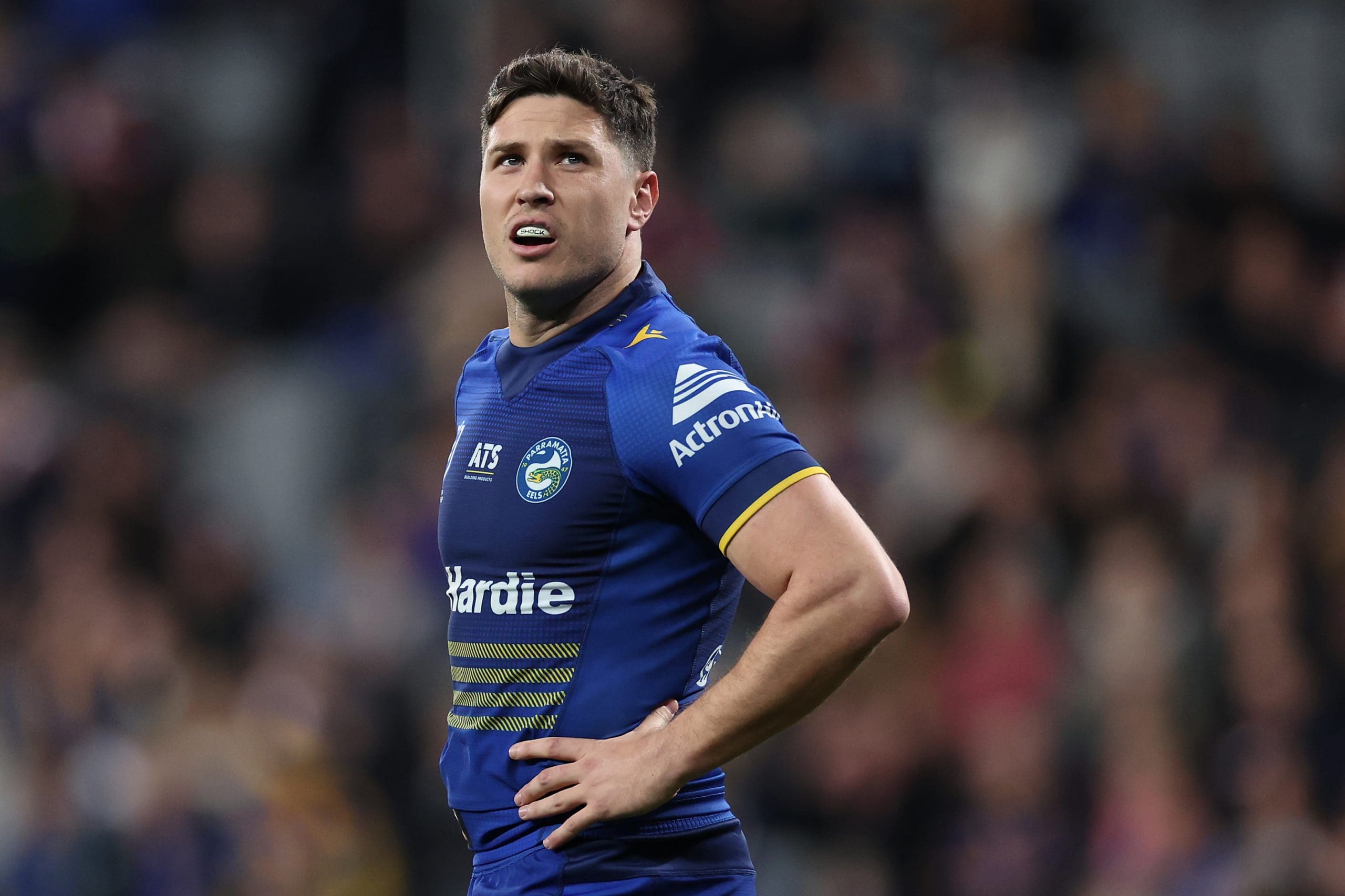
The situation escalated when it was revealed that Eels captain Mitchell Moses had touched Gough three times during the match while questioning his rulings. This incident caught the attention of NRL headquarters, prompting further investigation into the matter.
According to reports, the NRL’s Match Review Committee has issued an official warning to Moses regarding the act of touching referees. While none of the incidents were aggressive in nature, the rules remain clear: players are not allowed to touch the referee under any circumstances.
Moses has also received a ‘concerning act notice’ for his emotional interactions with referees throughout the season. This has led to him being monitored more closely by NRL management. The league is keen on reinforcing the rules surrounding player-referee contact, especially after witnessing several heated discussions during the match at CommBank Stadium.
A History of Referee Touching Penalties
This is not the first time the NRL has taken strict action against players who touch referees. In the 2016 season, there was a significant crackdown on such behavior, with many high-profile players facing fines. Notable names included Kieran Foran, Sam McKendry, James Roberts, and Tyson Frizell, all of whom were penalized for similar actions during games.
More recently, in 2023, Tigers star Jarome Luai was fined for touching referee Chris Sutton during a try celebration. These incidents highlight the ongoing challenge of maintaining respect and discipline between players and officials.
A Dispute Over a Key Call
One of the most contentious moments during the match occurred when Moses attempted to challenge a call in the first half. He believed he was not allowed to question referee Gough’s decision. The dispute arose after Jack Williams was ruled to have lost the ball near the line, despite his belief that he had been tackled and was simply playing the ball.
The call went against the Eels, and Moses expressed his frustration in the post-match press conference. “Williams felt like he was held and had about four players on him so he’s tried to get up and play the ball,” Moses said. “And then a bloke has come flying in, so I asked to challenge it, and he (Gough) said he hadn’t called held yet. So there was no point in me challenging it because I was never going to win it.”
Moses added, “I don’t know. He pretty much told me not to challenge it because he told me he hadn’t said held. There was no way I was going to win that. But it’s not why we lost.”
Passion and Pride
Despite the controversy, there was no malice in Moses’ actions. His passion for the game and his commitment to the blue and gold are well known. The NRL has acknowledged this and has decided not to issue a fine for the incident.
Moses continues to wear his pride on his sleeve, showing his deep connection to the team and the sport. As the league moves forward, it remains to be seen how such incidents will be handled in the future, but for now, Moses will continue to represent the Eels with his usual intensity and dedication.


