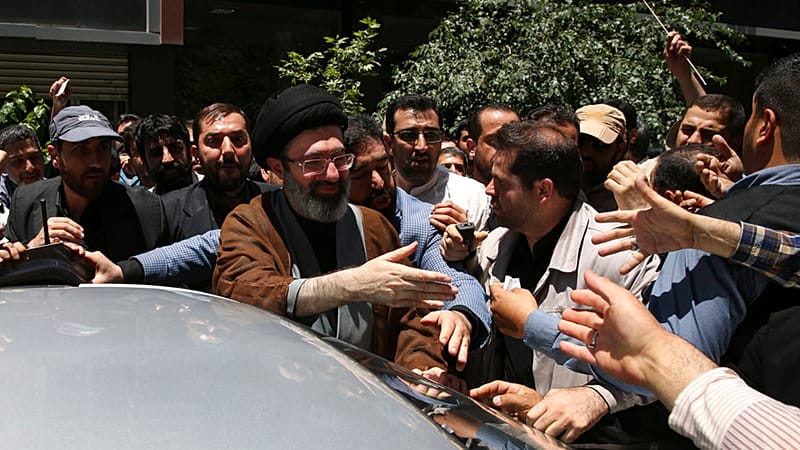
In a significant development amidst escalating regional tensions, Iran’s Assembly of Experts has formally designated Mojtaba Khamenei as the successor to his father, Ali Khamenei, positioning him to become the third Supreme Leader of the Islamic Republic. This appointment arrives at a critical juncture, underscored by recent events including an Israeli airstrike targeting the supreme leader’s offices, which tragically claimed the life of the 86-year-old Ali Khamenei. Also lost in the strike was Mojtaba Khamenei’s wife, Zahra Haddad Adel, who hailed from a family deeply entrenched in Iran’s theocratic establishment.
Born in Mashhad in 1969, Mojtaba Khamenei’s path to power has been meticulously shaped, according to many analysts. His formative years were spent on the battlefields of the Iran-Iraq War, a period that forged strong connections with the military and the Islamic Revolutionary Guard Corps (IRGC). This early exposure and subsequent immersion in the highest religious and security circles have been instrumental in cultivating a robust network that underpins his current position at the apex of Iranian power.
A Distinct Trajectory Within the Family
What sets the 56-year-old Mojtaba apart from his siblings – Mostafa, Masoud, and Meysam Khamenei – is his deliberate departure from the conventional role of a Supreme Leader’s son. While his brothers have largely occupied more conventional cultural or administrative roles associated with their father’s office, Mojtaba’s name has become synonymous with clandestine power structures and sensitive security institutions.
Financial Entanglements and Influence
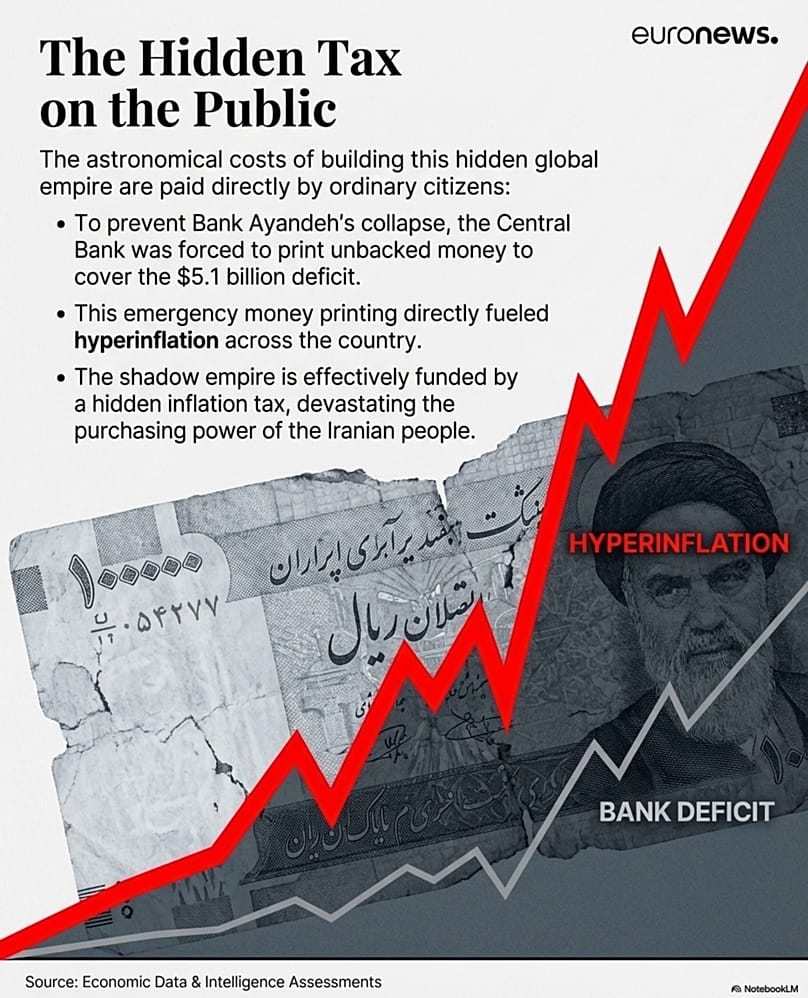
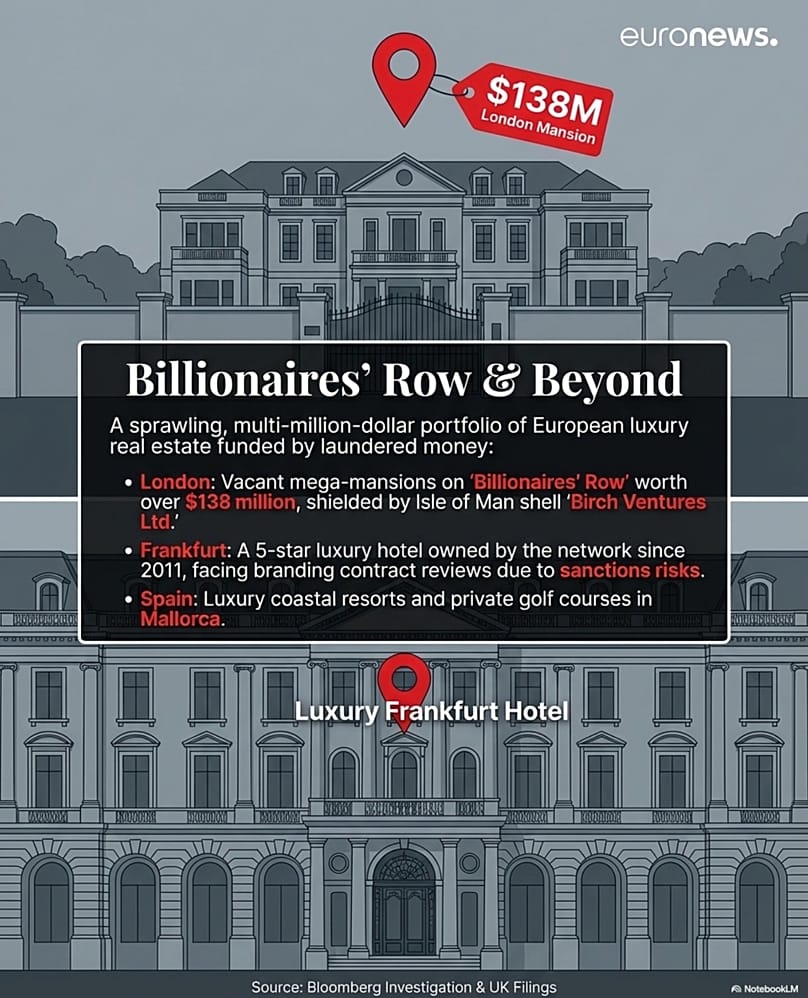
Questions surrounding Mojtaba Khamenei’s wealth have surfaced in Western media, with some reports labelling him a “billionaire” possessing extensive assets, including property in global cities like London and Vienna. However, the precise extent and management of these holdings remain elusive due to Iran’s limited financial transparency concerning leadership-linked economic structures. Within Iran, he is not publicly recognised as a businessman or a billionaire. Instead, analysts attribute his influence over economic networks to his political standing and deep connections with state institutions, leadership-affiliated economic foundations, and the IRGC, rather than personal commercial ventures.
His political ideology, however, remains a subject of considerable debate. Mojtaba Khamenei’s consistent silence on major policy issues has led to divided opinions among analysts. Some perceive him as a driving force behind security-sector hardliners, while others argue that the absence of a public record and stated positions makes it premature to ascertain his true ideological direction.
From the Front Lines to the Forefront
During the latter years of the Iran-Iraq War in the mid-1980s, a teenage Mojtaba Khamenei, then around seventeen, was deployed to the war front. He served in the Habib ibn Mazaher Battalion of the 27th Mohammad Rasulullah Division, an IRGC unit known for attracting ideologically driven young fighters. This battalion later gained prominence as many of its members rose to become key commanders and security figures within the Islamic Republic, including figures like Qasem Soleimani and Hossein Taeb. Though his combat experience was relatively brief, it is believed to have significantly shaped his later relationships within Iran’s military and security apparatus. Wartime participation also carried considerable symbolic weight, lending legitimacy and prestige to those who served, a common theme in the political memory of the Islamic Republic.
The Cleric in the Shadows
As the second son of Ali Khamenei, Mojtaba pursued clerical studies in Qom, a path that involved studying under prominent clerics such as Mohammad-Taghi Mesbah-Yazdi and Mahmoud Hashemi Shahroudi. His academic pursuits were geared towards acquiring the religious credentials deemed necessary for the highest echelons of the Islamic Republic. For over 15 years, he taught dars-e kharej, the highest level of seminary instruction, a prerequisite for attaining the rank of marja and the religious legitimacy associated with the Supreme Leadership. He reportedly achieved the clerical rank of Ayatollah in 2022. However, in October 2024, he unexpectedly announced a suspension of his classes, a move interpreted by analysts not as a personal matter but as a strategic political manoeuvre, possibly to mitigate concerns about hereditary succession or to prepare for his imminent leadership role.
Strategic Alliances and Growing Visibility
In 2004, Mojtaba Khamenei married Zahra, the daughter of Gholam-Ali Haddad-Adel. This union was widely seen as a strategic alliance, linking the Supreme Leader’s office with a conservative technocratic-cultural faction within the political establishment. Haddad-Adel was at a pivotal point in his career, emerging as a significant figure in the conservative movement and later serving as the speaker of parliament.
Mojtaba Khamenei’s name first gained significant public attention during the contentious 2005 presidential election. A losing candidate, Mehdi Karroubi, accused him in a letter to the Supreme Leader of direct involvement in orchestrating votes in favour of Mahmoud Ahmadinejad. This allegation highlighted Mojtaba’s perceived influence within the middle ranks of the IRGC and the Basij militia, cementing his image as a behind-the-scenes architect of the emerging conservative power structure. His shadowy presence became a direct target during the widespread protests following the disputed 2009 presidential election, with demonstrators chanting slogans against him and rejecting any notion of his succession.
Reconfiguring the Leader’s Office
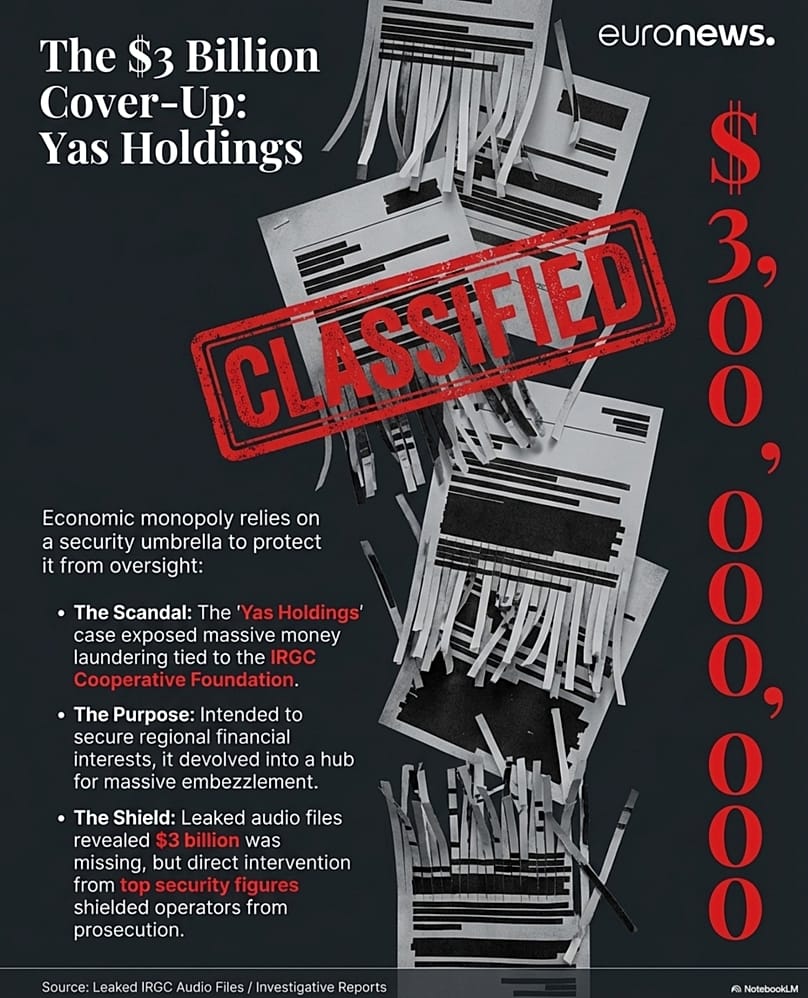
Following the 2009 unrest, Mojtaba Khamenei’s influence within the Supreme Leader’s office grew. This period saw the office transform from a primarily administrative advisory body into a centralised command hub overseeing Iran’s military, security, and economic networks. Many observers credit Mojtaba with a pivotal role in this transformation, acting as a crucial link between the Supreme Leader’s office and the senior and middle ranks of the IRGC, particularly its intelligence organisation and the Basij. This role is believed to have fostered a network of loyal commanders whose fates became intertwined with the longevity of the system.
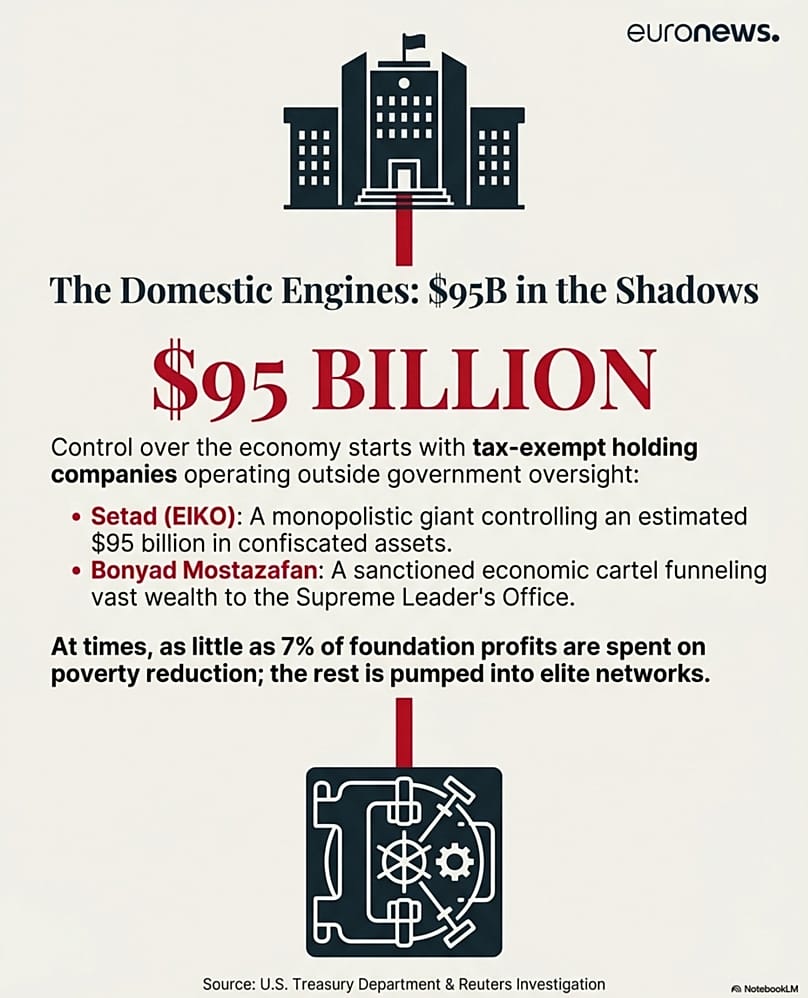
Despite his limited public appearances in diplomatic settings, analysts suggest Mojtaba Khamenei has exerted significant behind-the-scenes influence in coordinating Iran’s regional policies in countries like Syria, Iraq, Lebanon, and Yemen. Some also contend that over the past two decades, his impact has been evident in a gradual generational shift within the state, with first-generation revolutionaries being replaced by a new cadre of clerical technocrats and second-generation IRGC commanders.
Sanctions and Increased Scrutiny
For years, Mojtaba Khamenei sought to maintain a low public profile. However, in the late 2010s, his name began appearing in official Western government documents, portraying him not just as the Supreme Leader’s son but as a key player in Iran’s decision-making apparatus. In 2019, the US Department of the Treasury sanctioned him as part of a broader package targeting Ali Khamenei’s office. US officials stated that Mojtaba played a role in transmitting his father’s authority and advancing his policies through political and security networks. This inclusion signalled a growing recognition in Washington of his significant influence within the Islamic Republic’s power structure.
The “Inevitable” Succession
Mojtaba Khamenei’s emergence as the leading candidate for succession is attributed to several strategic factors. Supporters within the Iranian power structure highlight his profound command over the “hidden network of power.” With two decades at the core of the system’s decision-making, he is viewed as a repository of sensitive state knowledge and a figure with deep ties to the IRGC’s leadership and security services.
Furthermore, a perceived “vacuum of rivals” has also played a role. Over the past decade, many potential challengers have disappeared from the political scene through death, political decline, or marginalisation. Key figures such as Akbar Hashemi Rafsanjani and Ebrahim Raisi have passed away, while Mahmoud Hashemi Shahroudi died earlier, and Sadegh Larijani’s political influence waned. These developments, according to some analysts, have gradually cleared the path for Mojtaba, making him, in the eyes of many loyalists, not just the strongest but the only viable candidate capable of preventing internal fragmentation.
The Paradox of Hereditary Power
Mojtaba Khamenei’s ascent also brings to the fore one of the Islamic Republic’s most profound contradictions. The 1979 revolution was founded on the rejection of hereditary rule, making the prospect of a son succeeding his father a significant ideological challenge for a system built on repudiating monarchy. To navigate this, Mojtaba must convince both the political establishment and the public that his leadership represents a continuation of the revolutionary system based on merit, rather than a return to dynastic rule. Scepticism persists among segments of the traditional clerical establishment, many of whom recall the explicit rejection of hereditary succession by the revolution’s founders, including Ruhollah Khomeini.
Leading in the Shadow of War
Internationally, Mojtaba Khamenei remains an enigmatic figure. Unlike his father, who held executive positions and engaged in extensive diplomacy before becoming Supreme Leader, Mojtaba has never held a formal executive role or met with foreign officials publicly. Consequently, his worldview on critical issues like Iran’s nuclear program, relations with Israel, and its stance towards global powers is largely unknown. This lack of a diplomatic record presents both uncertainty and risk for foreign capitals.
His leadership commences under the shadow of an escalating war, placing him in a paradoxical situation. On one hand, external pressures and confrontations with the United States and Israel could rally hard-line factions and military institutions around him, bolstering internal cohesion in the name of national defence. On the other hand, these same confrontations could escalate the cost of his rule for factions within the establishment seeking an end to sanctions and conflict. His tenure begins under extraordinary circumstances that could either solidify his authority as a wartime commander or undermine his nascent legitimacy under the strain of military and economic pressures.
The transfer of power to Mojtaba Khamenei marks only the second such transition since the Islamic Revolution. The first occurred when Ali Khamenei succeeded Ayatollah Ruhollah Khomeini, who died at age 86, after leading Iran through its eight-year war with Iraq.