
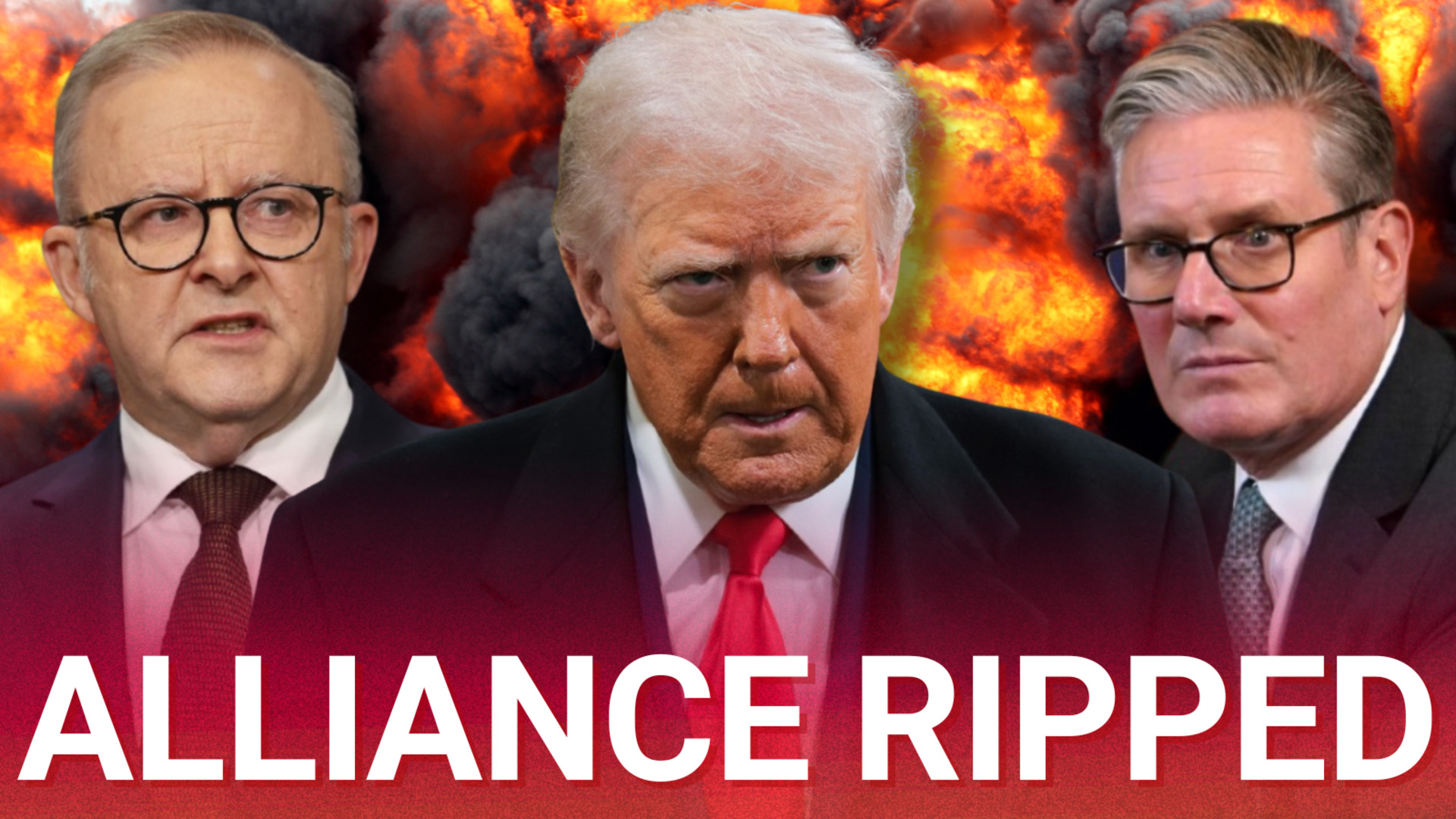
Former White House chief of staff Mick Mulvaney addressed the tensions surrounding US President Donald Trump’s criticisms of NATO allies’ military actions during the conflict in Iran.
Speaking to Sky News Australia, Mulvaney expressed strong views on the matter, stating, “Some of the things that the NATO allies have done have been close to unforgivable.” He highlighted the significance of overfly rights, which allow aircraft to pass through another country’s airspace.
“To deny … their ostensible closest friends militarily in the world the overfly rights … that’s the kind of stuff that can really rip an alliance apart,” he said.
Mulvaney emphasized that Trump’s perspective often framed international relations as a binary choice: “His starting point is that it’s us against everybody or it’s us without anybody else.” This view reflects a deep-seated skepticism towards traditional alliances and a preference for unilateral action.
Key Points from Mulvaney’s Comments
- NATO Allies’ Actions: Mulvaney criticized the decisions made by some NATO members, suggesting they were harmful to the alliance’s cohesion.
- Overfly Rights: The denial of overfly rights was cited as a major point of contention. These rights are crucial for military operations, especially in regions like the Middle East.
- Trump’s Perspective: The former president’s approach to international relations was described as one where the US either stands alone or faces the world as a united front.
Implications for NATO and International Relations
The remarks by Mulvaney highlight the growing concerns within the US administration about the reliability of NATO allies. Overfly rights are not just logistical necessities; they also symbolize trust and cooperation between nations. When these rights are denied, it can be interpreted as a lack of commitment to shared security goals.
This issue has been particularly relevant in recent conflicts, where the ability to move military assets quickly can determine the outcome of operations. The refusal to grant overfly rights may be seen as a strategic move, but it can also strain relationships with key partners.
The Role of Leadership in Shaping Alliances
Leadership plays a critical role in maintaining the integrity of international alliances. Trump’s approach to foreign policy, characterized by a focus on national interests, has led to a reevaluation of how the US engages with its allies.
- Shift in Priorities: There is a noticeable shift from multilateralism to a more transactional approach, where each ally’s contributions are scrutinized.
- Impact on Trust: Such scrutiny can erode the trust that underpins long-standing alliances. For NATO, this could mean a redefinition of what it means to be a “close friend.”
Future of US-NATO Relations
As the geopolitical landscape continues to evolve, the future of US-NATO relations will depend on several factors. These include the willingness of allies to support each other in times of crisis and the ability of the US to maintain a balanced approach to its global commitments.
- Need for Cooperation: In an increasingly complex world, cooperation remains essential. Alliances like NATO provide a framework for collective security and stability.
- Challenges Ahead: The challenge lies in ensuring that all members are committed to the same goals and that differences do not undermine the alliance’s effectiveness.
Conclusion
Mick Mulvaney’s comments reflect a broader debate about the state of US-NATO relations. While the alliance has faced challenges, it remains a cornerstone of global security. The way forward will require a renewed commitment to cooperation, mutual respect, and shared objectives.


