

The Wizard Behind the Curtain: Murrellgate and the Demise of SNP’s Golden Era
Much like the all-powerful wizard in The Wizard of Oz, who was revealed to be a mere mortal hiding behind a curtain, Peter Murrell, the once-celebrated electoral mastermind behind numerous Scottish National Party (SNP) triumphs, has been exposed as a figure far removed from his esteemed reputation. The “éminence grise” of SNP politics, as he was often dubbed, now stands revealed as a pathetic confidence trickster.
The “First Husband,” as he was known, proved to be a bespectacled, unassuming middle-aged man, seemingly more preoccupied with bulk-buying toilet paper than managing the party’s finances. His now-estranged wife, former First Minister Nicola Sturgeon, found herself in the uncomfortable spotlight during an interview with Laura Kuenssberg, an encounter clearly intended to draw a line under the burgeoning “Murrellgate” scandal. However, the interview was a stunningly ill-conceived affair, with Sturgeon’s lawyer, Aamer Anwar, conspicuously lurking in the background, a visual reminiscent of Emily Maitlis’s infamous interview with Prince Andrew, leaving more questions than answers.
One of the most haunting claims attributed to Ms. Sturgeon from this interview is her assertion of having no “conscious memory” of seeing a £124,000 campervan parked in her mother-in-law’s driveway. This 24-foot vehicle, visible from space for at least two years, was a direct product of Murrell’s decade-long embezzlement of over £400,000 in SNP funds. This elaborate fraud, which he eventually admitted to, followed a five-year police investigation that cost taxpayers more than £2 million.
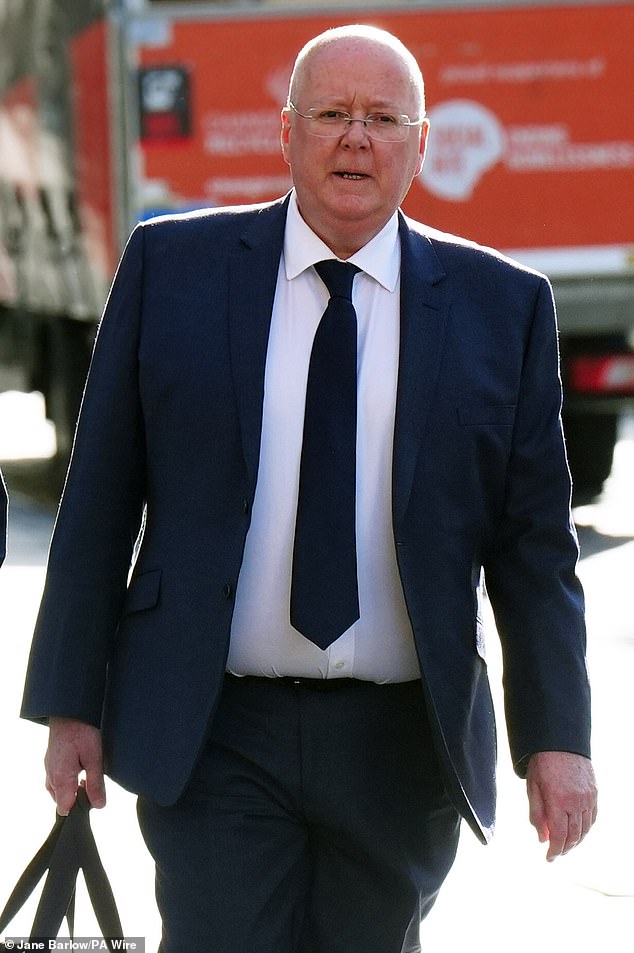
While Ms. Sturgeon maintains her ignorance of her husband’s criminal activities, the court of public opinion has already delivered its verdict. A recent poll indicated that only one in five Scots believed her claims of unawareness, a surprisingly high figure given the circumstances. Ms. Sturgeon, who once championed openness and transparency, has seen her celebrity status crumble, transforming from a respected leader into a national figure of ridicule.
The future for a former political heavyweight who once commanded stadium-sized crowds of adoring fans now appears uncertain. It’s unlikely she’ll be making visits to Murrell in prison, though she did concede, with a considerable understatement, that he is probably not “having the time of his life” as he awaits sentencing. One can only imagine him regaling his fellow inmates with tales of fraud, a seasoned conman who managed to evade detection for over a decade. His persona might well blend that of Bernie Madoff, the notorious stockbroker jailed for 150 years, with Grouty from the classic sitcom Porridge, the aging inmate who unofficially ran HMP Slade.
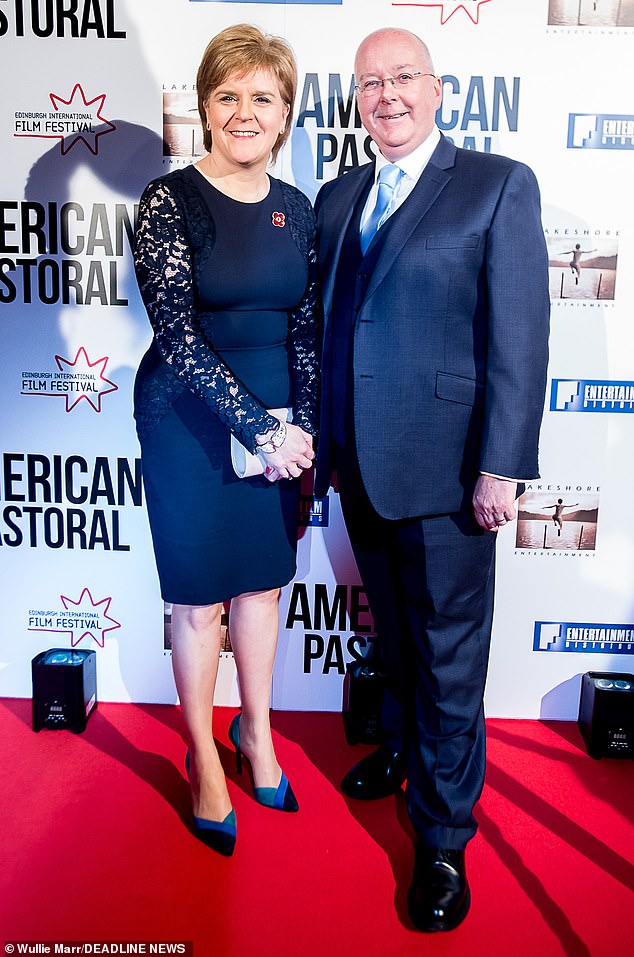
On a lighter note, the new Justice Secretary, Neil Gray, might expedite Murrell’s release due to ongoing issues with jail overcrowding. For Ms. Sturgeon, who has since relocated to London, potential avenues such as charity work, writing, media punditry, appearances at literary festivals, and after-dinner speaking engagements might still be on the cards. However, she is destined to be constantly hounded by questions surrounding her husband’s crimes, as she attempts to salvage what remains of a legacy that appears to have already sunk.
Even a stint on a reality television show like I’m a Celebrity… Get Me Out of Here! might prove challenging, as even in the depths of a subtropical rainforest, she would face uncomfortable campfire interrogations about her husband’s alleged addiction to online shopping. The dramatic fall from grace of these two prominent figures, who once dominated Scottish politics, offers fertile ground for a Netflix adaptation or a Channel 5 docudrama. A true crime limited series detailing “Operation Branchform,” and the detectives’ arduous task of untangling Murrell’s intricate web of false accounting, would undoubtedly captivate audiences.
Murrell, a figure often described as Machiavellian, was typically seen by his wife’s side at polling stations or in occasional social media posts engaged in domestic chores. Unbeknownst to many, he was also busy acquiring video games, expensive pens, and coffee machines. He even purchased a onesie costing over £75, a purchase Ms. Sturgeon claims she never saw him wear, or indeed, ever saw at all.

While Murrell was assembling this veritable Aladdin’s cave of consumer goods, his wife was simultaneously advocating for tax increases and speaking out against child poverty. This tawdry tale is replete with dark ironies, highlighting the dramatic fall from grace of two individuals who held sway over Scottish politics for years. Their carefully constructed public image now lies in ruins, a fate mirroring that of nationalism itself, a project often perceived as smoke and mirrors, originating from a fantastical land. A political party that cannot safeguard its own donors’ funds is clearly unfit to be entrusted with managing a nation’s finances.
John Swinney, the current leader, is currently resisting calls for a public inquiry. However, “Murrellgate” serves as a stark encapsulation of the issues plaguing devolved Scotland: cosy cabals, denial, secrecy, and cover-ups. Ms. Sturgeon, as party leader and during her husband’s tenure as chief executive, was instrumental in silencing critics who raised concerns about the party’s financial irregularities. This arrangement was deemed toxic by her former mentor, Alex Salmond, who advised her to end it. She refused, citing the awkwardness of dismissing her own husband, but now admits she should have done so at the time.
While there are undoubtedly many regrets, Ms. Sturgeon’s primary concern appears to be the “trauma” she has personally experienced, rather than the plight of the victims of the fraud. This self-absorption is on a grand scale, a stark contrast to her former image as the nation’s “chief mammy.” The fall from grace has been profound, from a revered leader to the tarnished wife of a greedy fraudster who allegedly used stolen money to purchase Christmas presents. The reputational damage is immense, yet the acceptance of her narrative strains credulity. One might even anticipate an updated edition of the former First Minister’s self-aggrandising memoir, Frankly, perhaps with a few added words: “no comment.”
Regardless of the ultimate fate of Murrell and his wife, the lingering stench of this scandal will undoubtedly cling to Ms. Sturgeon and the SNP. It has completely overshadowed the initial weeks of Mr. Swinney’s hastily assembled, supposedly revamped government, which bears a striking resemblance to its predecessor. The sole high-profile addition, Stephen Flynn, touted as a potential future leader, is reportedly eager to travel to the United States to witness Scotland’s participation in the World Cup. This is a government mired in sleaze, barely weeks after an election.
The ongoing controversy starkly illustrates the vast and widening chasm between the lofty promises of the Sturgeon era a decade ago and the grim reality facing the SNP today. Mr. Swinney cannot simply wish this scandal away; he was a senior figure within the party and government during the period of the fraud, yet he appears to have shared Ms. Sturgeon’s seemingly boundless lack of curiosity. If he continues to resist demands for an inquiry, Mr. Swinney himself could become another casualty of “Murrellgate.” While the immediate focus is on one man’s crimes, the shockwaves of this scandal extend far beyond the confines of his prison cell, impacting the very fabric of Scottish politics.

