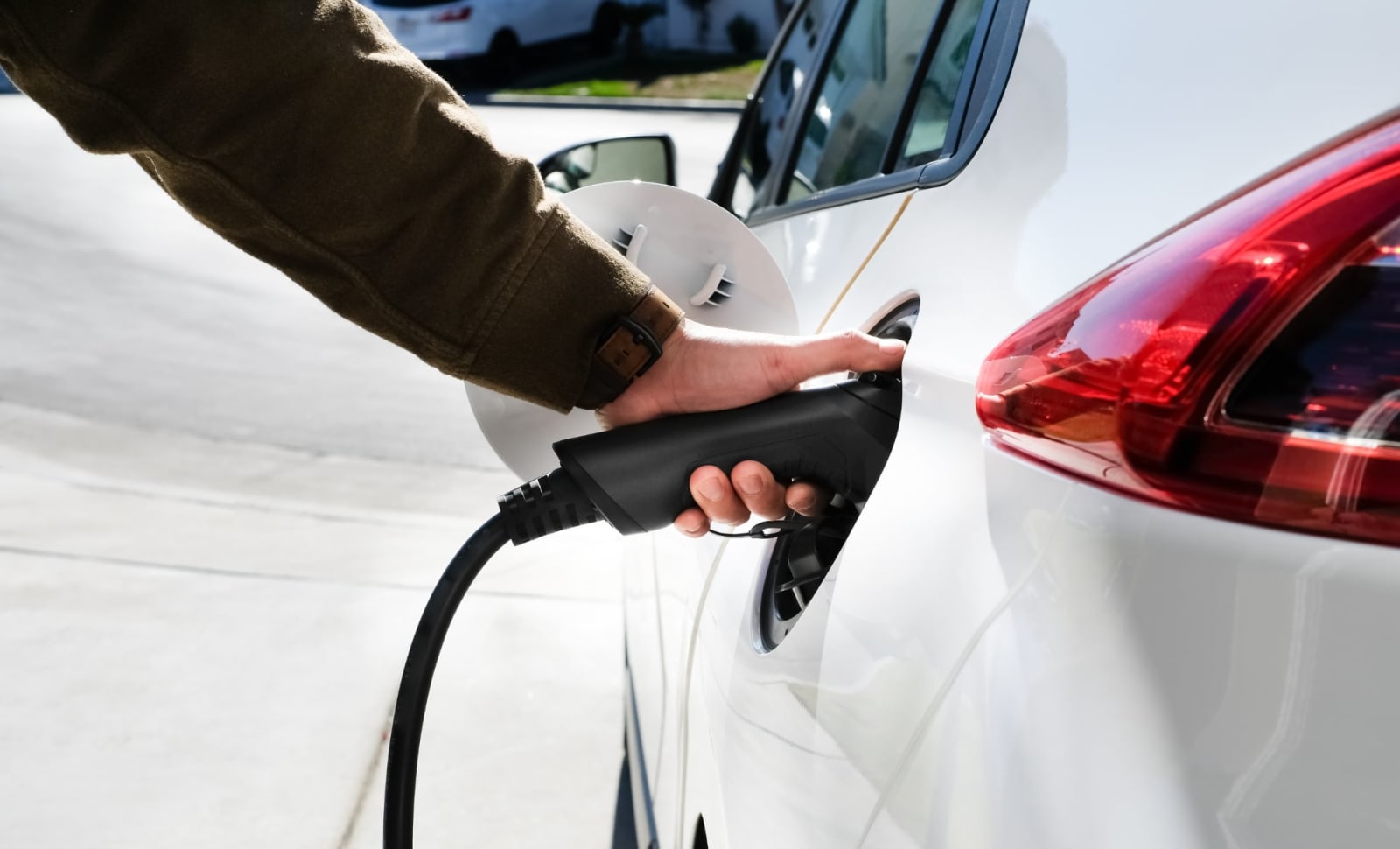
The familiar sting at the petrol pump is back, with Australian drivers increasingly feeling the pinch as fuel prices climb. Global geopolitical shifts are sending oil markets into a tailspin, and the cost of filling up the family car is poised to climb even higher. This escalating expense is reigniting a crucial question on many minds: could the soaring cost of petrol finally drive more Australians towards embracing electric vehicles (EVs)?
Shifting the Financial Landscape: Petrol vs. Electric
Traditionally, the higher upfront purchase price of an electric vehicle has been the primary hurdle for many Australian consumers. However, once you move beyond the initial sticker shock, the long-term financial picture begins to tell a different story. EVs generally boast lower running costs, primarily because electricity is a more economical energy source than petrol, and their simpler mechanical design often translates to reduced maintenance needs. Financial experts often employ the concept of “total cost of ownership” when comparing vehicles. This comprehensive metric takes into account not just the purchase price, but also ongoing expenses like energy consumption, servicing, insurance premiums, and depreciation over the vehicle’s lifespan.
When all these factors are meticulously calculated over several years, electric vehicles can gradually emerge as a more cost-effective option than their petrol-powered counterparts. The pivotal element that significantly influences this financial equilibrium is, unsurprisingly, the price of fuel.
The Break-Even Point: When EVs Become the Smarter Buy
Consider the financial modelling that compares a typical mid-size petrol SUV with its electric equivalent. These calculations consistently reveal that the EV becomes the more economical choice overall after approximately five years of ownership. This projection is typically based on an annual driving distance of around 15,000 kilometres, which aligns closely with the national average for Australian drivers. However, the timeline for this break-even point is highly susceptible to fluctuations in fuel prices.
Prior to the recent market volatility, the average price of unleaded petrol in major Australian cities hovered around $2.08 per litre. Now, imagine that price climbing to $2.50 per litre. This increase alone could shorten the time it takes for an EV to become cheaper to own by roughly a year. If petrol prices surge even further, perhaps closer to $2.90 per litre, the financial advantages of owning an EV would become apparent even sooner. Over a decade of regular driving, each 40-cent increment in petrol prices can add approximately $4,000 to the total cost of running a conventional petrol car.
International Evidence: Fuel Prices Fueling EV Adoption
The impact of rising fuel prices isn’t confined to theoretical calculations; it demonstrably influences real-world consumer behaviour and purchasing decisions. Extensive research analysing vehicle registration data from countries like Denmark, Finland, Norway, and Sweden has uncovered a robust correlation between petrol prices and the rate of electric vehicle adoption. This study indicated that for every 1 per cent increase in petrol prices, there was a corresponding 0.85 per cent rise in EV sales. Extrapolating this, a significant 20 per cent surge in fuel prices could potentially see electric vehicle sales accelerate by approximately 17 per cent faster than their typical growth trajectory.
Similar patterns have been observed in China, which stands as the world’s largest and most dynamic EV market. Studies conducted there have revealed that even relatively modest increases in petrol prices have acted as a catalyst, encouraging a greater number of drivers to opt for electric vehicles.
Why Australia’s EV Transition Might Be a Slower Burn
While the global trend points towards increasing EV adoption driven by fuel costs, Australia’s transition may unfold at a somewhat more measured pace compared to some international markets. Several factors contribute to this potential difference. The charging infrastructure across the country is still in a phase of expansion, and the availability and nature of government incentives can vary significantly from state to state. These elements play a crucial role in building consumer confidence and making the switch to electric seem like a viable and practical option.
Furthermore, industry experts suggest that sustained high fuel prices, rather than temporary spikes, are essential for a significant shift in consumer behaviour. Short-term increases at the bowser might not be enough to sway deeply ingrained purchasing habits.
Industry modelling indicates that for higher fuel prices to have a substantial and lasting impact on EV sales figures, they would likely need to remain elevated for a minimum of six months. If this period of sustained high prices extends to between six and eighteen months, it is predicted that electric vehicle adoption in Australia could rise by approximately 10 per cent above current trends.
The Increasingly Compelling Financial Case for EVs
Whether the current escalation in fuel prices will be the definitive trigger for a widespread surge in Australian EV purchases remains to be definitively seen. Much of this hinges on the duration of elevated global oil prices. However, one aspect is becoming increasingly undeniable: as the cost of petrol continues its upward trajectory, the financial argument in favour of electric vehicles grows ever more persuasive. For a growing number of Australians contemplating their next vehicle acquisition, the escalating cost of filling up their tank could, incrementally but surely, tip the scales in favour of embracing electric mobility.