
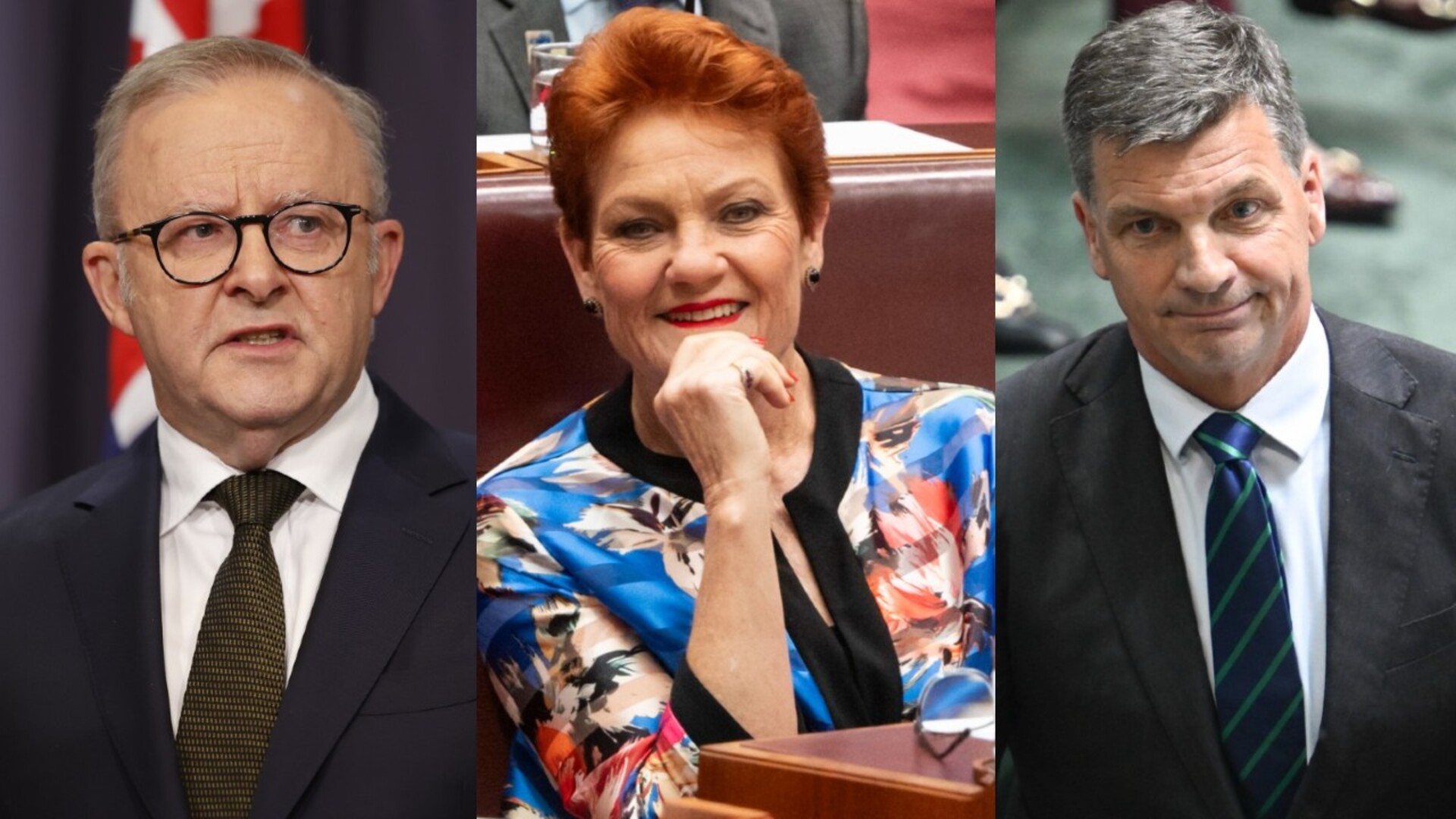
Australians are expressing growing dissatisfaction with the status quo offered by the nation’s two major political parties, according to Sky News political contributor Chris Uhlmann. He observes a tangible sentiment of fatigue with the “business as usual” approach that has characterised the political landscape for too long.
“People are hurting because they keep getting told a whole lot of things, like, for example, your electricity price is going to come down when it continues to march up,” Mr Uhlmann articulated during an appearance on Sky News Australia. This sentiment of being misled or experiencing outcomes contrary to official pronouncements is a significant driver of public frustration. The disconnect between political rhetoric and lived reality, particularly concerning rising living costs, is a key factor fuelling this discontent.
Mr Uhlmann suggests that the political landscape is undergoing a significant restructuring. He posits that parties like One Nation are no longer merely protest movements, but are tapping into a deeper, more ingrained public weariness with the established political order. This shift indicates that these parties are potentially gaining traction beyond their traditional support bases, resonating with a broader segment of the electorate disillusioned with the major players.
“We are seeing a restructuring of politics; this (One Nation) isn’t just a protest party now. People are sick of the business as usual of both major parties,” he stated. This observation points to a potential realignment of political allegiances, where voters are actively seeking alternatives to the Liberal-National Coalition and the Australian Labor Party. The perceived inability or unwillingness of the major parties to address fundamental concerns is creating a vacuum that other political entities are seeking to fill.
The Growing Discontent
The sentiment articulated by Mr Uhlmann reflects a broader trend observed across various polls and public discourse. Many Australians feel that their concerns are not being adequately addressed by the incumbent parties. This includes, but is not limited to:
- Economic Pressures: Rising inflation, stagnant wages, and the increasing cost of essential services like electricity and housing are significant burdens for many households. Promises of relief often fall short, leading to a sense of betrayal and distrust.
- Perceived Inaction: A feeling that governments are not acting decisively on critical issues, whether it be climate change, infrastructure development, or social inequality, contributes to public apathy and frustration.
- Lack of Trust: A general erosion of trust in political institutions and politicians is evident. When promises are repeatedly broken or when policies appear to favour vested interests over the public good, this trust further diminishes.
The Shifting Political Landscape
The rise of parties like One Nation, as highlighted by Mr Uhlmann, signifies a potential challenge to the established two-party system. While acknowledging the significant distance yet to be covered for such a party to become the official opposition, the underlying opportunity is undeniable.
“There is a long way between where we are now and One Nation becoming the next opposition, but the opportunity is there,” Mr Uhlmann concluded. This statement underscores the dynamic nature of contemporary politics. The factors contributing to this opportunity include:
- Populist Appeal: Parties that tap into public anger and offer seemingly straightforward solutions to complex problems can gain significant traction.
- Targeted Messaging: These parties often focus on specific grievances that resonate with particular demographics, effectively mobilising a dedicated voter base.
- Exploiting Weaknesses: The perceived shortcomings of the major parties, whether in policy, leadership, or communication, can create openings for challengers.
The current political climate suggests a period of flux, where voters are increasingly willing to explore alternatives. Whether this translates into a fundamental shift in power remains to be seen, but the sentiment of dissatisfaction with the established order is a powerful force shaping Australia’s political future. The challenge for the major parties will be to reconnect with the electorate, address their concerns authentically, and demonstrate a genuine commitment to delivering on promises, lest they continue to cede ground to emerging political forces.


