
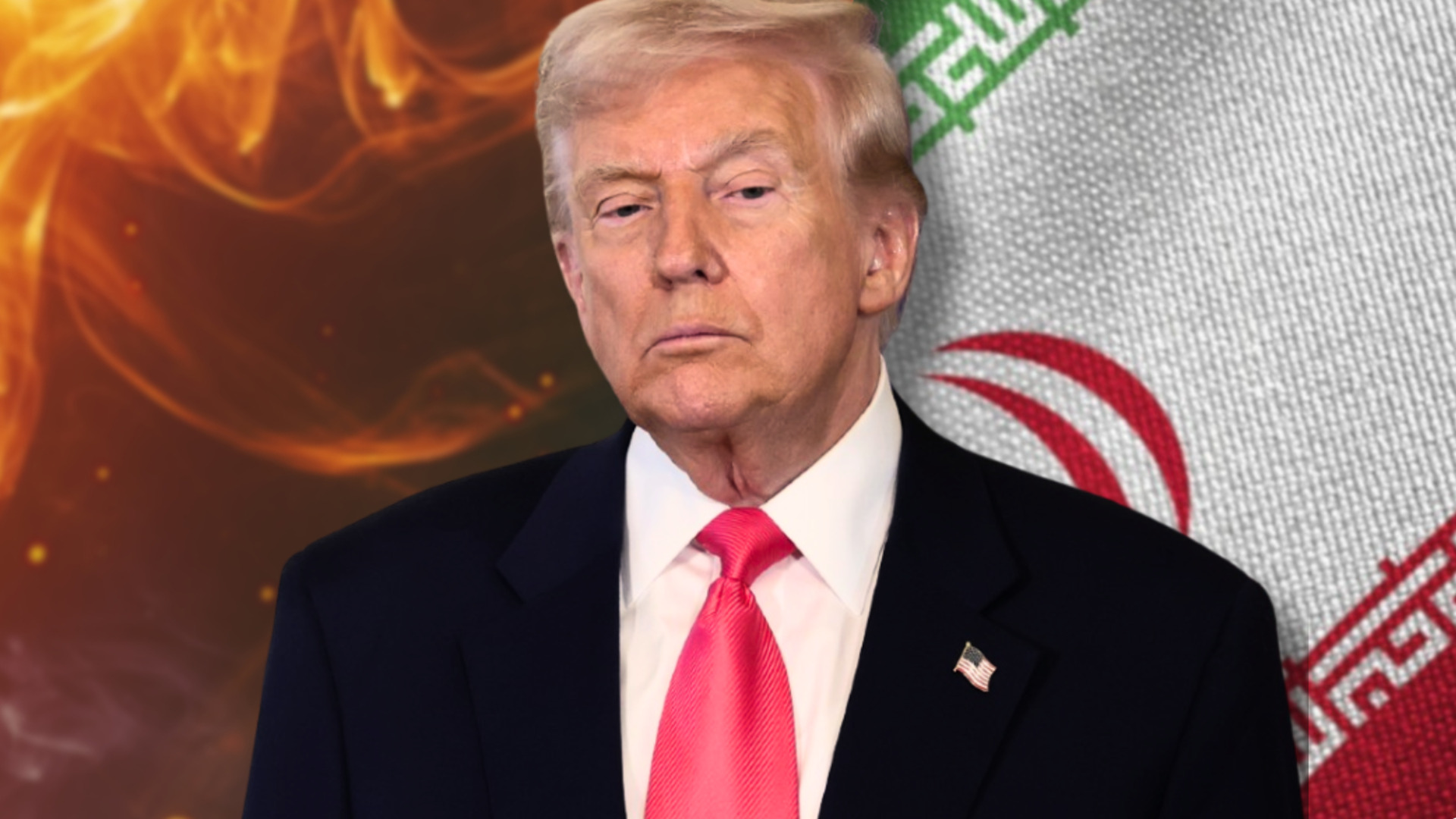
President Donald Trump is reportedly seeking to bolster US assurances on critical nuclear issues and the vital Strait of Hormuz through modifications to a memorandum involving Iran. These proposed changes, while not described as “substantial” in scope, are aimed at providing a more robust framework for American security interests in the region.
CNN reporter Kristen Holmes, speaking on Sky News Australia, detailed the nuances of these adjustments. According to Holmes, the process began with President Trump receiving a memorandum from Iran. Following an initial review, the US President then returned this document to Iran, requesting more stringent wording on key points.
Key Areas of Proposed Changes
The primary focus of President Trump’s requested modifications appears to be centred around two crucial areas:
- The Strait of Hormuz: This strategic waterway, a critical chokepoint for global oil shipments, is a significant concern for international maritime security. The request for “tougher language” here suggests a desire for clearer commitments or assurances regarding freedom of navigation and the prevention of disruptions.
- Nuclear Issues: While the specifics remain under wraps, the push for more rigorous language concerning Iran’s nuclear program indicates a continued emphasis on ensuring compliance and preventing any potential proliferation. This aligns with broader US policy objectives regarding nuclear non-proliferation in the Middle East.
CNN reporter Kristen Holmes discusses the changes US President Donald Trump is implementing to the Iran memorandum to provide the US with “assurances” regarding nuclear issues and the Strait of Hormuz.
Holmes explained that the alterations sought by President Trump were not designed to fundamentally alter the core of the original memorandum. Instead, they were framed as necessary steps to provide the United States with greater “assurances.” This implies that the existing text, in the view of the US administration, lacked the clarity or strength required to fully satisfy American security demands.
The reporter further elaborated on the nature of these requested amendments. “All of the changes that President Trump asked for, these weren’t changes that were that substantial,” Holmes stated, “but they were giving assurances to the United States.” This suggests a diplomatic approach focused on refining existing commitments rather than demanding entirely new ones. The aim appears to be to solidify the understanding and obligations between the parties involved, particularly concerning sensitive security matters.
“The last thing we know as of now is this idea that President Trump got this memorandum from Iran … sent the memorandum back to Iran asking for tougher language,” Ms Holmes told Sky News Australia.
“Tougher language on … the Strait of Hormuz, tougher language on nuclear.
“All of the changes that President Trump asked for, these weren’t changes that were that substantial, but they were giving assurances to the United States.”
The implications of these proposed changes could be far-reaching. Enhanced assurances regarding the Strait of Hormuz could contribute to greater stability in global energy markets, reducing the risk of supply disruptions. Similarly, stronger language on nuclear issues would likely be welcomed by those concerned about Iran’s atomic ambitions and the potential for regional escalation.
The diplomatic back-and-forth, as described by Holmes, highlights the intricate nature of international relations and the detailed negotiations that often underpin agreements on sensitive geopolitical issues. The US administration’s focus on securing explicit assurances underscores its commitment to a proactive security strategy in the Middle East. The precise details of the memorandum and the specific revisions requested remain a subject of ongoing observation, but the reported intent is clear: to fortify US interests through carefully worded commitments.


