
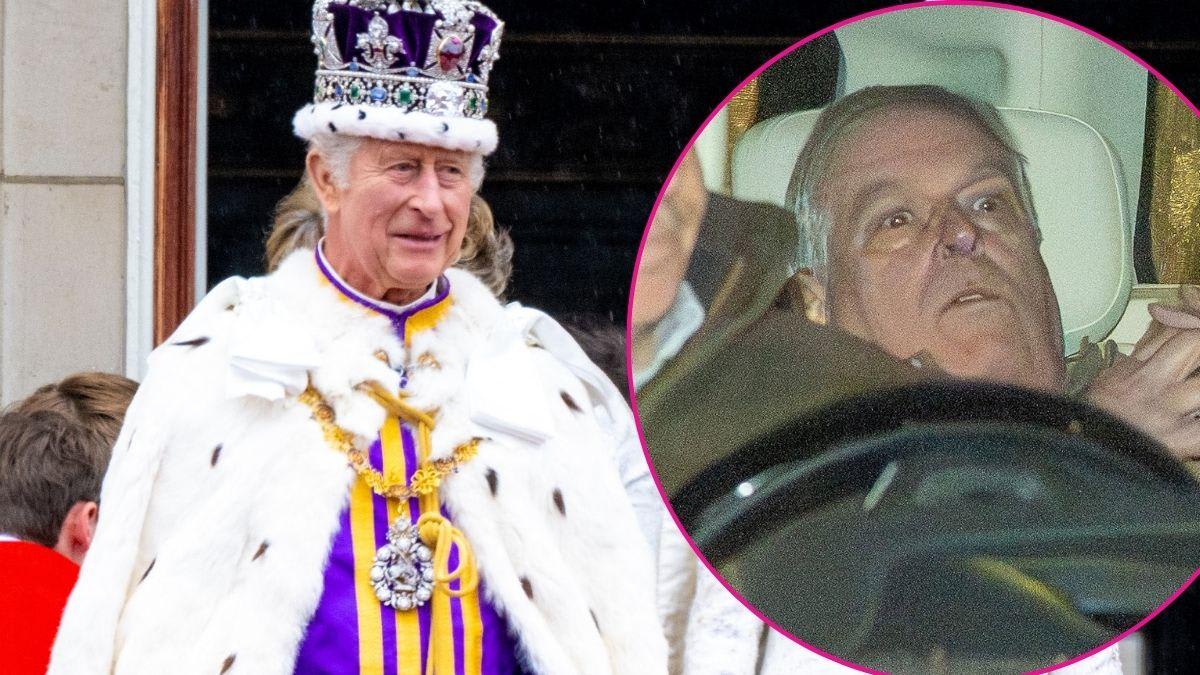
The Constitutional Dilemma Facing King Charles
A potential constitutional crisis could be looming for King Charles if his brother, former Prince Andrew, attempts to claim that the monarch was aware of key decisions related to his connections with Jeffrey Epstein. This scenario has been described by insiders as a “constitutional nightmare” that could place the 77-year-old British monarch on the brink of a legal disaster.
Andrew Mountbatten-Windsor, now 66, is under intense scrutiny over allegations tied to his role as the United Kingdom’s trade envoy between 2001 and 2011. Police are investigating whether confidential information from this position may have been shared with Epstein, who in 2008 pleaded guilty in the United States to soliciting a minor.
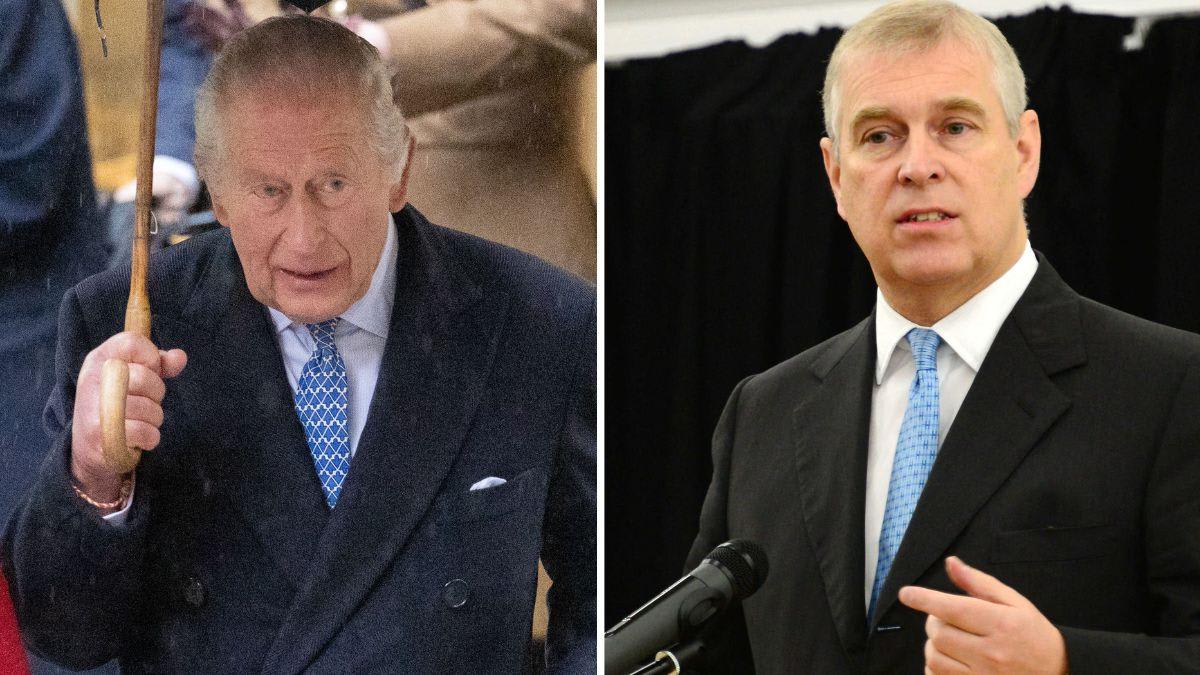
During his tenure as the Duke of York, Andrew represented British commercial interests abroad. Recent police searches have taken place at properties linked to him, including Royal Lodge in Windsor and Wood Farm on the Sandringham Estate.
A royal insider highlighted the potential complications if Andrew’s defense strategy relies on the claim that King Charles was fully informed about his actions. The insider stated:
“If Andrew were to claim that he kept Charles fully informed about what he was doing at the time, it would immediately drag the King into extremely complicated territory. No modern monarch has ever been placed in a position like that before. It could quickly leave Charles on the brink of a total legal mess because suddenly the head of state could be pulled into the center of a criminal case involving a member of his own family, and mired in a total legal mess.”

The insider continued: “The difficulty is that the King occupies a unique place in the British legal system. He is considered the symbolic source of justice, and the courts technically operate in his name. That creates an extraordinary constitutional problem if there were ever an attempt to call him as a witness. In simple terms, it raises the question of how the monarch could be expected to give evidence within a system that ultimately derives its authority from the Crown itself.”
Legal experts note that Andrew’s alleged offense under investigation – misconduct in public office – can apply to individuals entrusted with positions of authority if they deliberately abuse their powers. According to guidance from Britain’s Crown Prosecution Service, the crime involves a “serious wilful abuse or neglect of the power or responsibilities of the public office held.”

The definition is broad and has historically applied to figures such as police officers, prison staff, and judges. Andrew’s previous role as a government trade envoy is central to the inquiry because it placed him in a position of public trust, even though the role was unpaid.
The Crown Prosecution Service has stated that salary is not the only determining factor in establishing whether someone held public office. One legal source said the idea of the monarch becoming a witness in a criminal case of this magnitude would trigger unprecedented legal questions.
“They said: ‘If Andrew’s legal team were to build their defense around the idea that Charles was aware of his actions at the time, the courts could find themselves facing an unprecedented constitutional puzzle. Judges would potentially have to weigh up whether the long-standing principle of royal immunity should remain intact or whether the circumstances would justify the extraordinary step of involving the monarch in a legal proceeding as a witness.’”
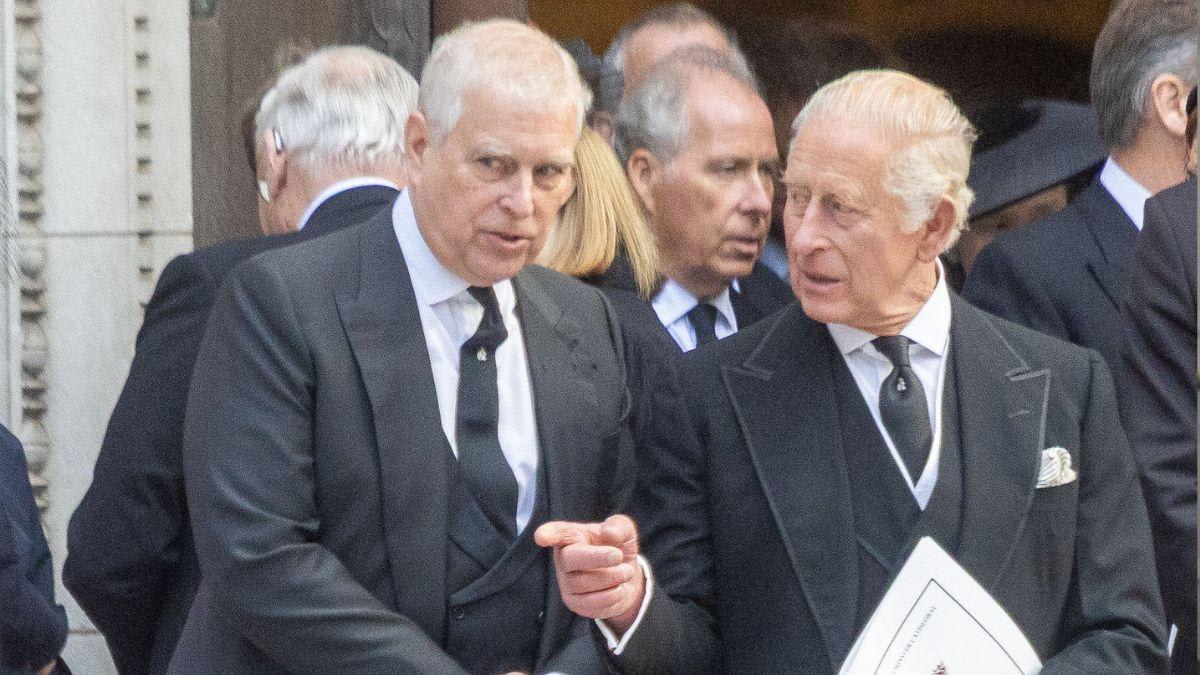
The insider added: “That’s exactly why people behind the scenes are warning this situation could descend into a total legal nightmare. By putting forward that type of argument, Andrew wouldn’t just be defending himself against an accusation – he would effectively be pushing the boundaries of how the British constitutional system operates and forcing the courts to confront questions that have never truly been tested before.”
Misconduct in public office carries a maximum sentence of life imprisonment in the United Kingdom, although actual prison terms are often significantly shorter. Recent cases have included police officers and public officials convicted of abusing their authority for personal benefit.
Andrew has repeatedly denied wrongdoing in connection with Epstein and previously settled a civil case in the United States brought by his late pal’s most high-profile s– trafficking victim, Virginia Giuffre, without admitting liability.
Police are expected to spend months examining documents, electronic devices, and correspondence gathered during the investigation into Andrew before deciding whether a case should be passed to prosecutors. If investigators believe the evidence meets the required threshold, a file would be submitted to the Crown Prosecution Service for a charging decision.


