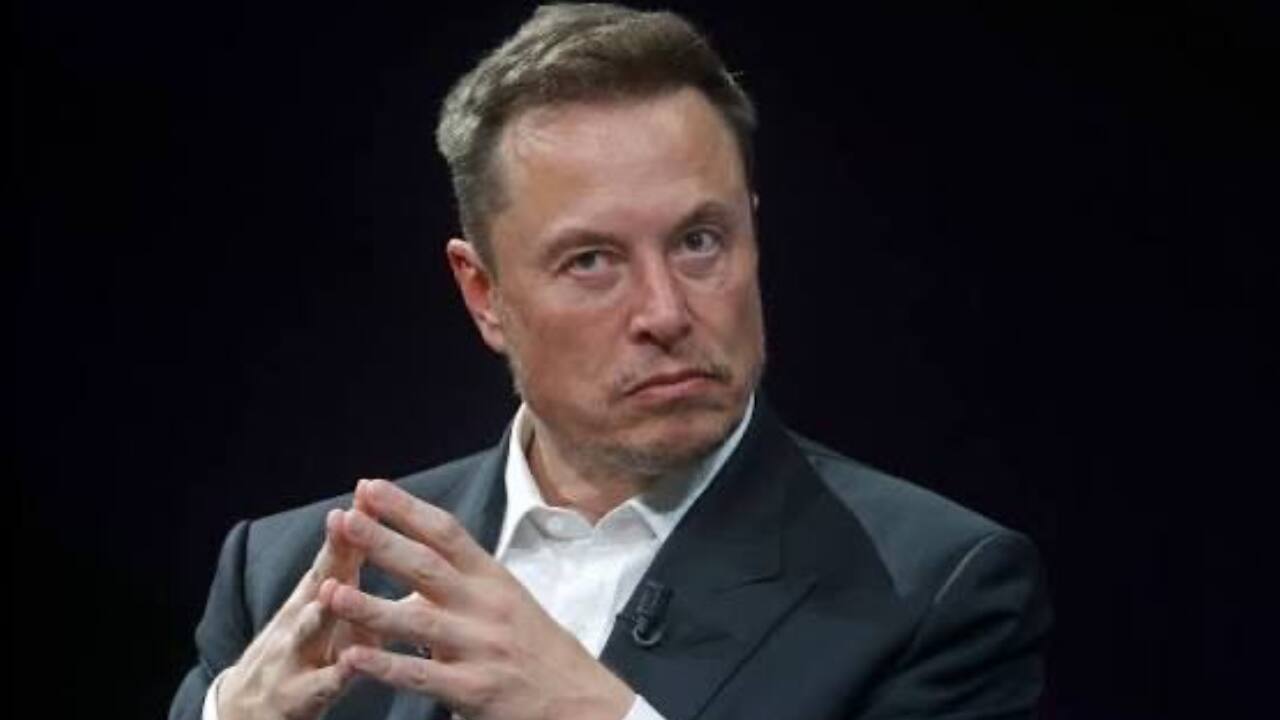
Elon Musk, the visionary entrepreneur behind Tesla and SpaceX, has put forth a bold and provocative prediction regarding the future of personal finance, suggesting that the age-old practice of saving for retirement could soon become a relic of the past. In a recent discussion on the Moonshots with Peter Diamandis podcast, Musk articulated a compelling vision where rapid advancements in artificial intelligence, robotics, and energy production will fundamentally reshape societal structures, rendering traditional retirement planning obsolete.
Musk’s advice to individuals is refreshingly direct: “My suggestion is not to stress about putting money aside for retirement over the next decade or two. It simply won’t be relevant.” This statement, coming from one of the world’s wealthiest individuals, carries significant weight and invites contemplation about the economic landscape of the near future. He elaborated on this point, suggesting that if current technological trajectories continue unabated, the very concept of planning for a retirement fund may well evaporate from our financial consciousness. “If our predictions come true, then saving for retirement will lose its importance,” he asserted.
The foundation of Musk’s prediction rests on the anticipated breakthroughs in three key technological domains: artificial intelligence, clean energy, and robotics. He posits that these innovations will collectively usher in an era of unprecedented productivity. Machines, empowered by advanced AI and robotics, will be capable of performing a vast array of tasks with a speed, cost-efficiency, and effectiveness that far surpasses human capabilities. This dramatic increase in productivity, Musk argues, will lead to a significant reduction in the cost of goods and services.
A Future of Abundance and Universal High Income
This surge in production capacity, according to Musk, could pave the way for a society that moves beyond the constraints of scarcity. In such a future, the production of essential goods and services would be so abundant and cost-effective that widespread material deprivation would become a thing of the past. This abundance, he believes, could enable the implementation of a “universal high income,” a system designed to ensure a comfortable standard of living for all citizens, irrespective of their current income bracket.
Musk paints a picture of a world where individual desires are more readily attainable. He has specifically forecast significant advancements in healthcare within the next five years, predicting that access to medical treatments will be substantially improved, offering a level of care superior to what is currently available. Similarly, the realm of education is slated for a radical transformation. Musk envisions a future where learning becomes a universally accessible and free resource, allowing anyone to acquire knowledge on any subject without financial barriers.
The Psychological Frontier: Finding Meaning in a Post-Work World
Despite this optimistic outlook on material well-being and access to resources, Musk acknowledges that the transition to this technologically advanced future will not be without its challenges. He identifies the path ahead as potentially “bumpy,” and crucially, his primary concern is not economic but psychological. A significant question looms: how will individuals find purpose and meaning in a world where traditional work, as we understand it, is no longer a necessity?
Musk articulates this profound existential dilemma, asking, “If you truly have access to everything you want, is that the kind of future you desire? Because it could mean your work no longer holds meaning.” This reflection cuts to the core of human identity and the role that labour plays in shaping our sense of self-worth and societal contribution. The prospect of a life free from economic imperative, while seemingly utopian, raises fundamental questions about human motivation, engagement, and the pursuit of fulfillment beyond material acquisition. The challenge, therefore, lies not just in building the machines that can provide for our every need, but in cultivating the societal and individual frameworks that will allow us to thrive in a world where the traditional definition of a productive life is redefined.