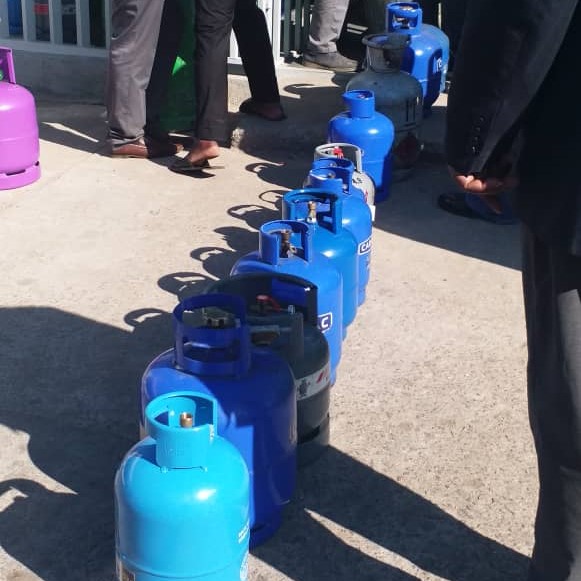
Bangladesh Slashes VAT on LPG to Boost Affordability and Market Stability
Dhaka, Bangladesh – In a significant move to cushion consumers from price fluctuations and ensure the accessibility of a vital energy source, the Bangladeshi government has announced a substantial reduction in Value Added Tax (VAT) on Liquefied Petroleum Gas (LPG). This policy shift, effective immediately and extending until June 30, 2026, aims to stabilize the domestic LPG market and keep this essential fuel within the purchasing power of a wider segment of the population.
The National Board of Revenue (NBR) confirmed the revised VAT structure in a press release issued on Monday night, outlining two separate notifications enacted on February 16th. This strategic adjustment comes after careful consideration of market dynamics and consumer needs, acknowledging LPG’s critical role in both industrial processes and everyday household consumption.
Understanding the Revised VAT Structure
Previously, the VAT landscape for LPG involved a multi-tiered system. Consumers and businesses encountered a 7.5% VAT applied at both local production and trading stages. Furthermore, an additional 2% advance tax was levied at the point of import. This cumulative tax burden contributed to the final price consumers paid for LPG.
Following a formal application from the Liquefied Petroleum Gas Operators Association of Bangladesh (LOAB) and a subsequent recommendation from the Energy and Mineral Resources Division, the government has undertaken a comprehensive restructuring. The key changes include:
- Withdrawal of Local VAT: The 7.5% VAT previously applicable at local production and trading levels has been entirely removed.
- Elimination of Import Advance Tax: The 2% advance tax on imported LPG has also been abolished.
- Consolidated Import VAT: In its place, a uniform VAT of 7.5% has been imposed exclusively at the import stage.
According to the NBR, this realignment means that while VAT collection will now be concentrated at the point of import, no further VAT will be applied to the value added during local production and sales processes after the LPG has entered the country. This streamlined approach is expected to simplify the tax collection process and, more importantly, reduce the overall cost passed on to the end-user.
Anticipated Impact on Consumers and Market
Officials involved in the decision-making process emphasized that the measure was enacted in the public interest. Recognizing LPG as a fundamental commodity, essential for a vast array of applications from cooking in households to powering various industries, the government is committed to ensuring its affordability.
The authorities anticipate that this VAT reduction will play a crucial role in maintaining price stability within the domestic market. By lowering the tax burden, the government aims to prevent sharp price hikes and provide a predictable cost environment for consumers and businesses alike. This move is particularly significant as Bangladesh continues to expand its reliance on LPG as an alternative to traditional fuels.
The NBR estimates that, from the effective date of these notifications, the overall VAT burden on consumers purchasing LPG will see a reduction of approximately 20% when compared to the previous tax regime. This substantial decrease is expected to be felt directly by households and industries that depend on LPG for their daily operations and energy needs.
The revised VAT framework is set to remain in effect until June 30, 2026. However, the government reserves the right to extend or amend these regulations further, depending on future economic conditions and market performance. This long-term outlook provides a degree of certainty for the LPG sector and its consumers.
The decision underscores the government’s commitment to economic relief and its proactive approach to managing the supply and cost of essential commodities. By strategically adjusting tax policies, Bangladesh aims to foster a more resilient and affordable energy market for all its citizens.