

Neo-Nazi Jailed for Nazi Salute: A Landmark Ruling in Victoria
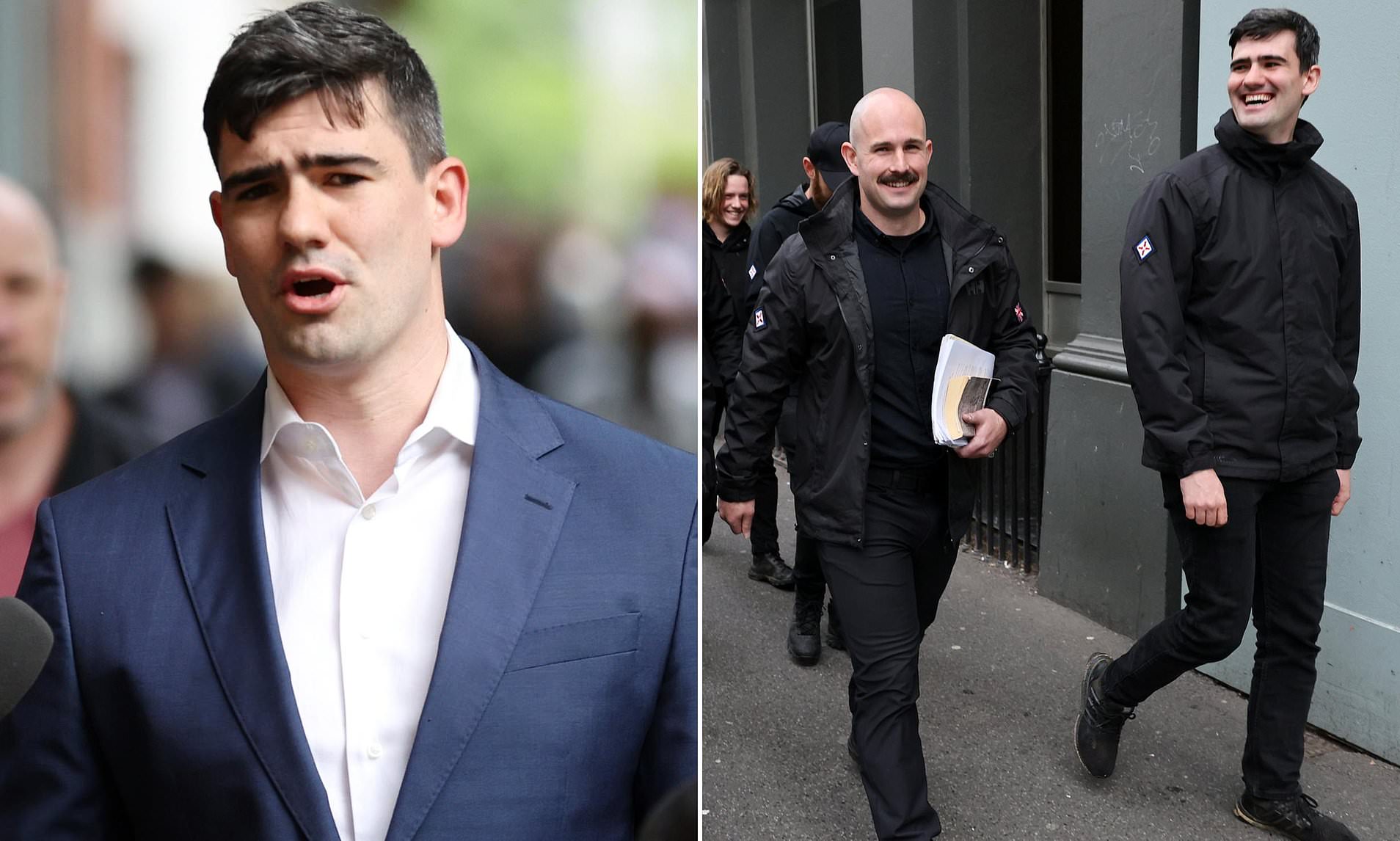
A Melbourne man has made history as the first Australian to be sentenced to jail time for performing a Nazi salute, a move that underscores the state’s commitment to stamping out hate speech and symbols. Jacob Hersant, a 26-year-old self-proclaimed neo-Nazi, will spend one month behind bars and has been fined $1,000 for the offensive gesture.
The sentencing follows a recent appeal that ultimately upheld the jail term, which was initially handed down by the Magistrates’ Court in November 2024. Hersant appeared before the Victorian County Court, where Judge Simon Moglia re-sentenced him for what he described as “contemptuous” offending. The father, identified as a prominent neo-Nazi figure in Victoria, had been the first in the state to be convicted for making the one-handed salute.
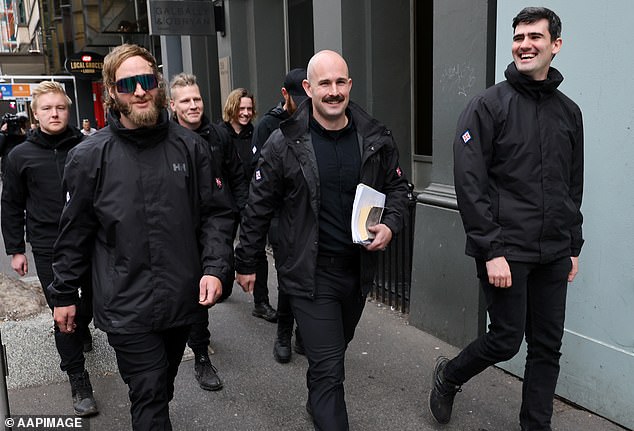
The incident occurred on October 27, 2023, when Hersant, alongside fellow neo-Nazi Thomas Sewell, performed the gesture outside the County Court. This took place mere days after new Victorian laws banning the display of Nazi symbols, including the salute, came into effect. Astonishingly, Hersant was heard to exclaim “heil Hitler” before adding, “oh, nearly did it, it’s illegal now, isn’t it?”

During the re-sentencing hearing, Judge Moglia highlighted the egregious nature of Hersant’s actions, noting that the salute was performed just minutes after he had been sentenced to a community corrections order for a violent affray in regional Victoria. The judge emphasised that the gesture demonstrated a profound disregard for the authority of the court and was, therefore, deeply contemptuous.
Furthermore, the court found that Hersant’s offending also constituted a breach of his existing corrections order. Hersant’s legal counsel, Tim Smartt, acknowledged the breach but argued against a custodial sentence. He pointed to previous cases where individuals who performed the salute received lesser penalties, such as fines or community corrections orders. Smartt contended that Hersant’s offence was less severe, as he did not direct the gesture at a specific group or in a sensitive location like a synagogue. The defence lawyer also suggested that Hersant was provoked by media attention and that his crime did not inflict the same level of harm as offences like family violence or sexual assault.
However, prosecutor Daniel Gurvich KC presented a strong counter-argument, asserting that Hersant performed the salute in a calculated manner, intending to maximise its impact. Gurvich stated that Hersant was not provoked by reporters and that his actions were undeniably harmful to the Jewish community and other minority groups within Victoria.

Judge Moglia concurred with the prosecution’s assessment. He found that Hersant had made a deliberate decision to engage with the media and commit the offence, stating, “He relished that opportunity at the time and his intention was to engage in the gesture in full knowledge it was being done… in the presence of the wider community.” The judge acknowledged that the Victorian Parliament had recognised the significant harm caused by the Nazi salute to the state’s diverse community.
Ultimately, Judge Moglia deemed Hersant’s actions to be offensive and deserving of a one-month jail term. In addition to the prison sentence, the 26-year-old was convicted and fined $1,000 for breaching his community corrections order. He was taken into custody immediately following the conclusion of his re-sentencing hearing.
The Legal Framework Against Hate Symbols
The jailing of Jacob Hersant marks a significant moment in Victoria’s legislative efforts to combat hate speech and symbols. The introduction of laws prohibiting the public display of Nazi symbols, including the infamous salute, reflects a broader societal recognition of the harm such gestures inflict.
Key Provisions of the Law:
- The legislation specifically targets the public display of Nazi symbols.
- This includes gestures, emblems, and other representations associated with Nazism.
- The law aims to protect the community from the intimidation and offence caused by these symbols.
Rationale Behind the Legislation:
- Historical Context: The Nazi regime was responsible for the Holocaust and unparalleled atrocities, making its symbols deeply offensive and triggering for many, particularly survivors and their descendants.
- Community Harmony: The presence of Nazi symbols can incite hatred, foster division, and create an environment of fear for minority groups.
- Deterrence: The law serves as a deterrent against the propagation of hateful ideologies and the glorification of past atrocities.
The court’s decision in Hersant’s case underscores the seriousness with which such offences are now being treated. By imposing a jail sentence, the judiciary has sent a clear message that the deliberate display of Nazi symbols will not be tolerated and carries significant consequences. This landmark ruling sets a precedent for future cases and reinforces the state’s commitment to upholding values of inclusivity and respect for all its citizens.