
A Healthy Netballer’s Shock Heart Attack: The Hidden Danger of SCAD
Sarah, a vibrant 39-year-old, embodied good health. A non-smoker, teetotaler, and with no family history of heart disease, she had every reason to feel invincible. Her Monday night netball game was a regular fixture, a healthy outlet for her active lifestyle. Little did she know, this ordinary evening would become a life-altering event.
The indoor netball courts were particularly muggy that night. While playing centre, Sarah leaped for the ball. Suddenly, her vision blurred and wavered. A feeling of impending faintness washed over her. “I crouched for a minute and when I sat up, I was really dizzy, my vision was weird, and I couldn’t catch my breath,” she recounted. A concerned friend noticed her pallor and urged her off the court. Feeling unwell, she called her father to collect her, as her husband was home with their children. Upon arrival, her parents were struck by how colourless her face had become, prompting an immediate trip to the emergency room.
Upon arrival at the hospital, Sarah was informed by nurses and junior doctors that she was likely suffering from dehydration. A blood test was performed, and she was directed to a waiting chair. When she was admitted for observation overnight, Sarah assumed it was a mere precaution. The reality was far more dire. In the dead of night, medical staff rushed to her bedside, their urgent actions a stark indicator of a grave situation. It was then Sarah learned the shocking truth: she had suffered a heart attack on the netball court and was on the verge of experiencing another. “I knew something was wrong,” Sarah admitted, “But it did not occur to me that I was having a heart attack.”
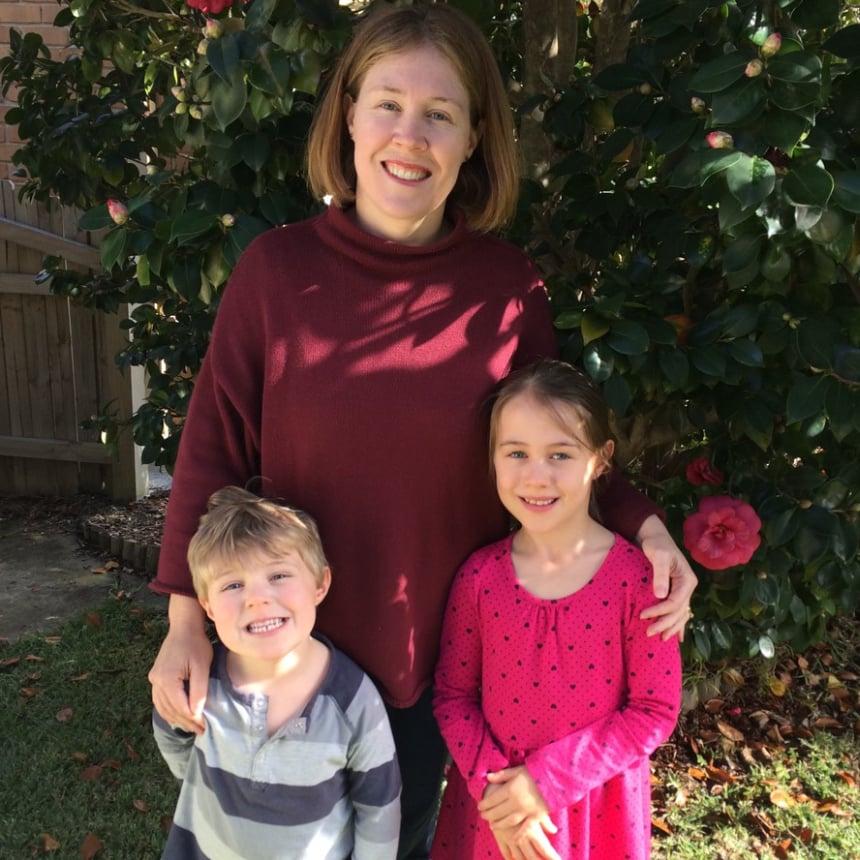
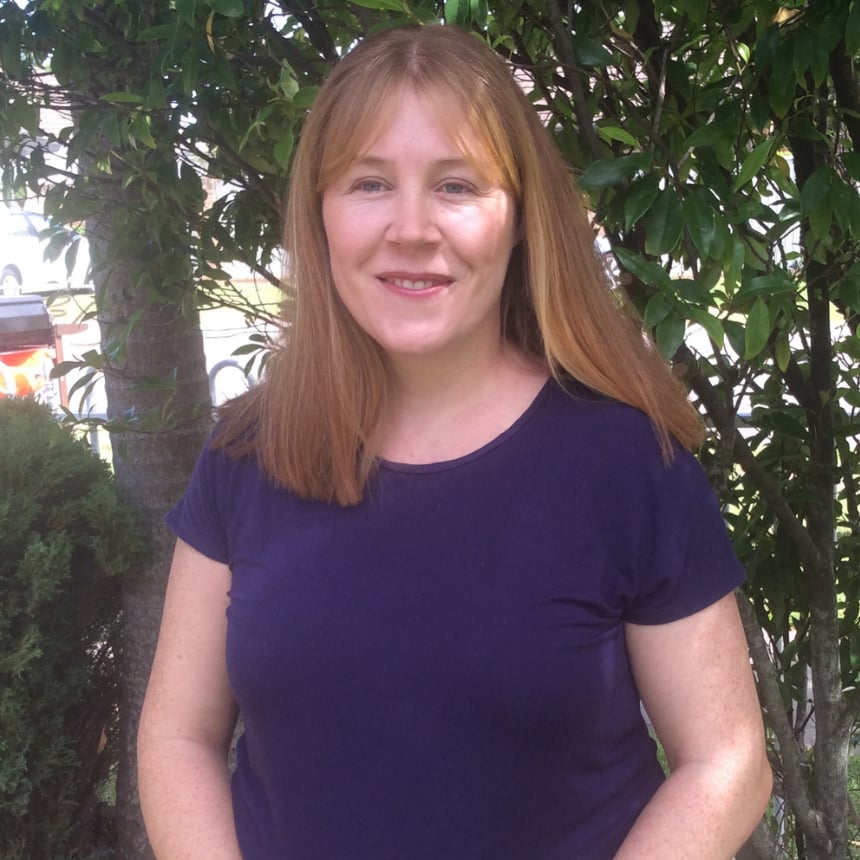
Sarah and her two children pictured 11 years ago. Image: Supplied.
The irony was not lost on Sarah that her initial symptoms, which she experienced while waiting in the emergency department, had been dismissed. She later discovered that her heart attack had persisted for approximately an hour while she sat with her parents. She was given aspirin, and her initial blood test revealed elevated troponin levels, a marker of heart muscle damage. A subsequent test showed even higher levels. Despite these alarming results, she was reportedly told she was “probably fine” and likely to be discharged.
Sarah, however, felt a nagging unease. The escalating numbers, even without medical training, signalled a problem. She insisted on staying. She observed a stark contrast in the treatment of a man, described as being in his mid-to-late 40s, who presented with similar symptoms. In Sarah’s words, he was “treated like a rock star,” with immediate attention and a flurry of emergency tests. Sarah, on the other hand, was being considered for discharge until a cardiologist was consulted. The cardiologist advised that she be kept for monitoring due to her continuously rising troponin levels. By the time of her third blood test, Sarah’s levels had “skyrocketed.” It was at this critical juncture that she was admitted to the coronary care unit (CCU). She was told to shower, change, and rest, with no apparent sense of urgency from the staff, leading her to believe she was out of danger.
She was, in fact, far from it. “They stopped me from having a second heart attack which would have been catastrophic,” Sarah revealed. “So had I gone home or stayed home that probably would have been it.” The following morning, an angiogram revealed the cause of her ordeal: a Spontaneous Coronary Artery Dissection (SCAD). This life-threatening condition involves a sudden tear in the wall of a coronary artery, which can impede or completely block blood flow to the heart, leading to a heart attack.
While SCAD can affect anyone, women in their 40s and 50s are disproportionately at risk, according to the Victor Chang Cardiac Research Institute. Crucially, individuals who experience SCAD are often otherwise healthy, lacking the typical risk factors for heart disease such as high blood pressure, diabetes, or high cholesterol. This makes early recognition and prompt medical attention absolutely vital.
Understanding the Warning Signs of SCAD
The subtle and often atypical symptoms of SCAD can be easily overlooked. According to the Mayo Clinic, these include:
- Chest pain or pressure
- Pain radiating to the arms, shoulders, back, or jaw
- Shortness of breath
- Unusual sweating
- Extreme tiredness
- Upset stomach
- Rapid heartbeat
- Feeling dizzy
Thankfully, Sarah eventually received the critical care she needed. After three days in hospital, she was discharged with strict instructions to avoid any activity that could strain her heart, including vacuuming, driving, or carrying groceries. This was a monumental challenge for Sarah, a mother to a two-year-old and a five-year-old. There were moments she had to rely on neighbours to help carry her sleeping toddler into the house.
Six weeks later, a cardiologist confirmed her artery had healed. The immense relief was soon followed by the stark reality of her altered life. Sarah was informed that she would need to adopt lifelong precautions: no hormonal treatments, no heavy lifting, and no exercise that significantly elevates her heart rate or puts pressure on her chest. The netball games, the effortless act of carrying her children, and the physically active life she had always known were now gone. “We joked that it was a career-ending injury which, for most people, is like a twisted ankle or a sore back and, for me, was a heart attack, which is very dramatic,” she reflected.
From Patient to Advocate: Raising SCAD Awareness
Eleven years on, Sarah is a leading authority on SCAD, a condition she knew nothing about at the time of her diagnosis. Initially, she struggled to find information on the Heart Foundation Australia website. This personal challenge spurred her to establish SCAD Research Inc Australia, a charity dedicated to raising funds and awareness for the condition. What began as small community walks, known as “5k SCADaddles,” has blossomed into a national movement, with others affected by SCAD joining the cause. The charity has since partnered with Australian cardiology researchers and has raised over $330,000 for SCAD research.
Sarah is passionate about ensuring other women don’t face the same uphill battle she did to have their concerns taken seriously. She empathises deeply with those who face greater obstacles in advocating for their own health. “I’m privileged and I found it hard. I was a white woman in my 30s, who’s educated and has access to treatment, and it was still awful,” she stated. “To not have the language to communicate what might be going wrong or to not have the physical access to a hospital. Some people who are like an hour, two hours away, that could be fatal at times, which is horrifying.”
Sarah acknowledges her profound luck that her parents recognised the severity of her condition and insisted on immediate medical attention. “If my parents hadn’t seen my colour and taken me to the Emergency that second heart attack would have killed me for sure,” she asserted. Her message is clear: it is always better to err on the side of caution and seek medical help for concerning symptoms, rather than risk the potentially fatal consequences of dismissing them.