Stark Realities: Children Reportedly Executed for Consuming South Korean Culture in North Korea
North Korea is reportedly employing the most extreme measures, including public executions, to suppress the influence of South Korean media and culture, with children allegedly among those facing such brutal punishments. Testimonies from individuals who have escaped the reclusive nation paint a grim picture of a society where even casual engagement with popular South Korean television shows or music can lead to severe repercussions, ranging from forced labour and public humiliation to the ultimate penalty: death.
Defectors have described an atmosphere of pervasive fear, where the consumption of South Korean cultural products is treated as a grave offence. While wealthier families may sometimes evade punishment through bribery, the majority of citizens, particularly the young, face dire consequences. Disturbingly, many former schoolchildren recount being compelled to attend public executions as a form of “ideological education.”
Choi Suvin, who fled the country, shared her harrowing experience of witnessing a public execution in Sinuiju. The incident, which occurred around 2017 or 2018, involved an individual accused of distributing foreign media. “Authorities told everyone to go, and tens of thousands of people from Sinuiju city gathered to watch,” Choi recounted. “They execute people to brainwash and educate us.” This chilling account highlights the state’s deliberate use of public executions as a tool for indoctrination.
Other escapees have corroborated these accounts, detailing how educational institutions systematically order students to witness these brutal spectacles. Kim Eunju, now 40, recalled her middle school years, stating, “When we were 16, 17, in middle school, they took us to executions and showed us everything.”
She further elaborated on the chilling message conveyed: “People were executed for watching or distributing South Korean media. It’s ideological education: if you watch, this happens to you too.” This forceful demonstration is designed to instill deep-seated fear and deter any form of cultural exchange.
Adding to the concern, North Korean defectors report that contemporary South Korean content is penetrating the country’s tightly controlled information landscape with increasing speed. Popular dramas from the 2010s, such as the widely acclaimed Crash Landing on You, known for its North Korean setting, and the military-themed Descendants of the Sun, are reportedly being consumed by North Koreans.
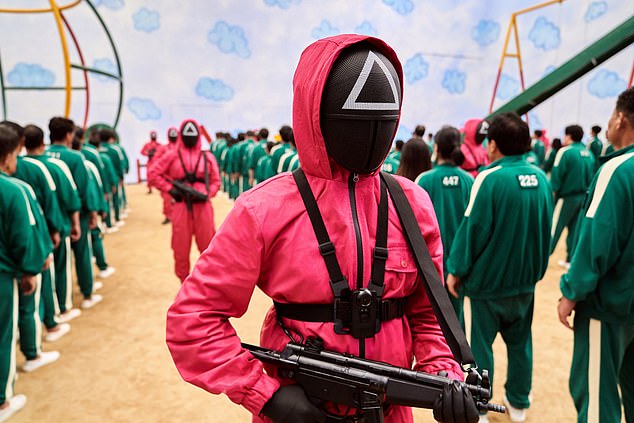
One interviewee shared a particularly disturbing report from an escapee with family connections in Yanggang Province. This individual claimed that people, including high school students, were executed for watching Squid Game, the globally popular South Korean survival drama. These accounts are further supported by separate reporting, which documented an execution in North Hamgyong Province in 2021 for the distribution of the same series.
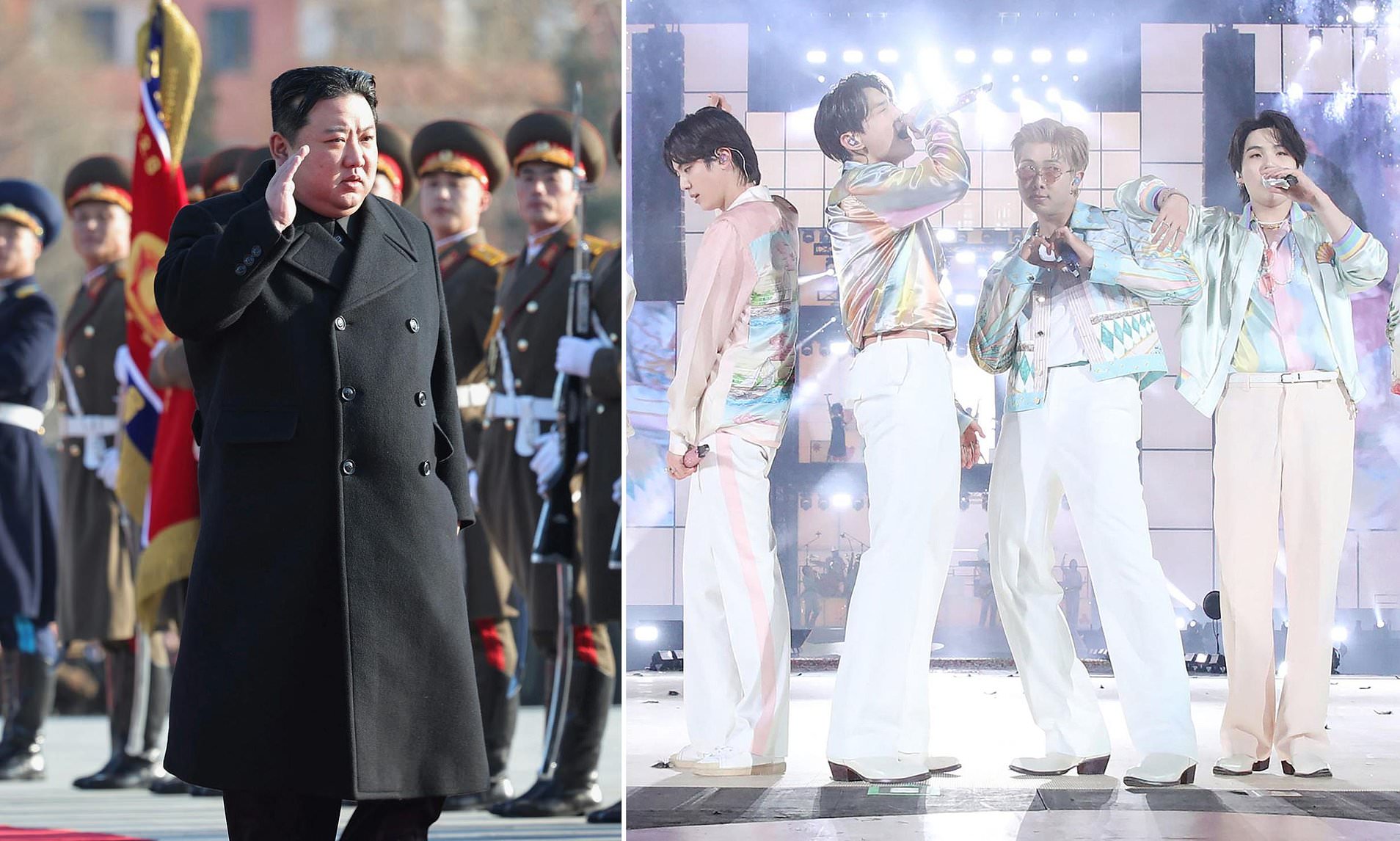
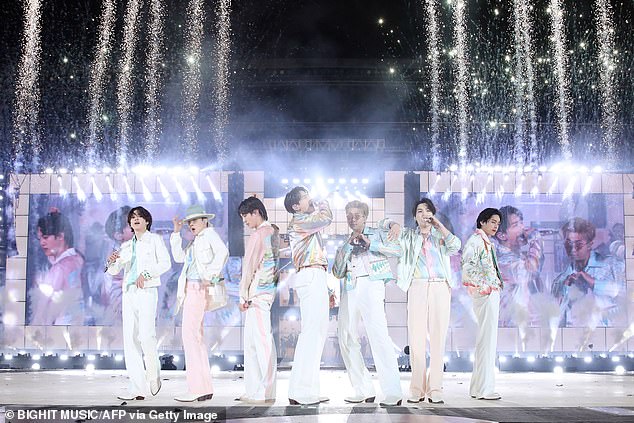
The crackdown extends beyond television dramas to music as well. Listening to South Korean pop music, including hits by the globally renowned boy band BTS, is also a targeted offence. Reports from 2021 indicated that North Korean teenagers were apprehended and punished for engaging with BTS music, underscoring the pervasive nature of the state’s censorship efforts.
Amnesty International’s findings are based on 25 in-depth interviews conducted in 2025 with North Korean escapees. The group included 11 individuals who had fled between 2019 and 2020, with the most recent departure occurring in June 2020. A significant portion of those interviewed, most of whom were between the ages of 15 and 25 at the time of their escape, provided firsthand accounts of the severe punishments meted out.
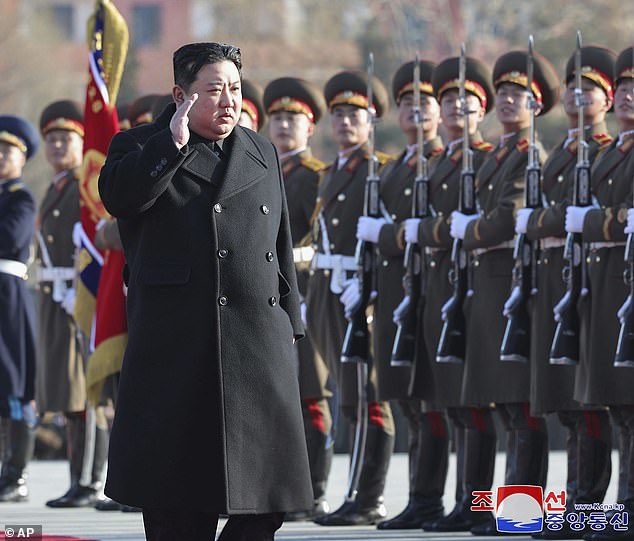
North Korea has long been recognised for maintaining one of the world’s most restrictive information environments. This is legally codified by the nation’s 2020 Anti-Reactionary Thought and Culture Act. This legislation mandates severe penalties, including five to 15 years of forced labour, for the mere act of watching or possessing South Korean dramas, films, or music.
The law is even more draconian for those involved in the distribution of such content. It prescribes heavy sentences, up to and including the death penalty, for distributing “large amounts” of foreign media or for organising group viewings.
Compounding the situation, North Korean defectors residing outside the country have engaged in efforts to circumvent the regime’s information control. These efforts have included sending balloons across the border carrying anti-regime leaflets and reportedly distributing USB memory sticks loaded with Korean pop music and videos.
Sarah Brooks, Amnesty International’s Deputy Regional Director, expressed grave concern over these findings. “These testimonies show how North Korea is enforcing dystopian laws that mean watching a South Korean TV show can cost you your life – unless you can afford to pay,” she stated. Brooks highlighted the systemic nature of the repression: “The authorities criminalise access to information in violation of international law, then allow officials to profit off those fearing punishment. This is repression layered with corruption, and it most devastates those without wealth or connections.”
She further emphasised the profound impact on the population: “This government’s fear of information has effectively placed the entire population in an ideological cage, suffocating their access to the views and thoughts of other human beings. People who strive to learn more about the world outside North Korea, or seek simple entertainment from overseas, face the harshest of punishments.”
Brooks concluded with a strong condemnation of the system: “This completely arbitrary system, built on fear and corruption, violates fundamental principles of justice and internationally recognised human rights. It must be dismantled.” The testimonies underscore the urgent need for international attention and action to address the dire human rights situation within North Korea.