Romance Fraudster’s Deception Leads to Devastating Consequences for Victim
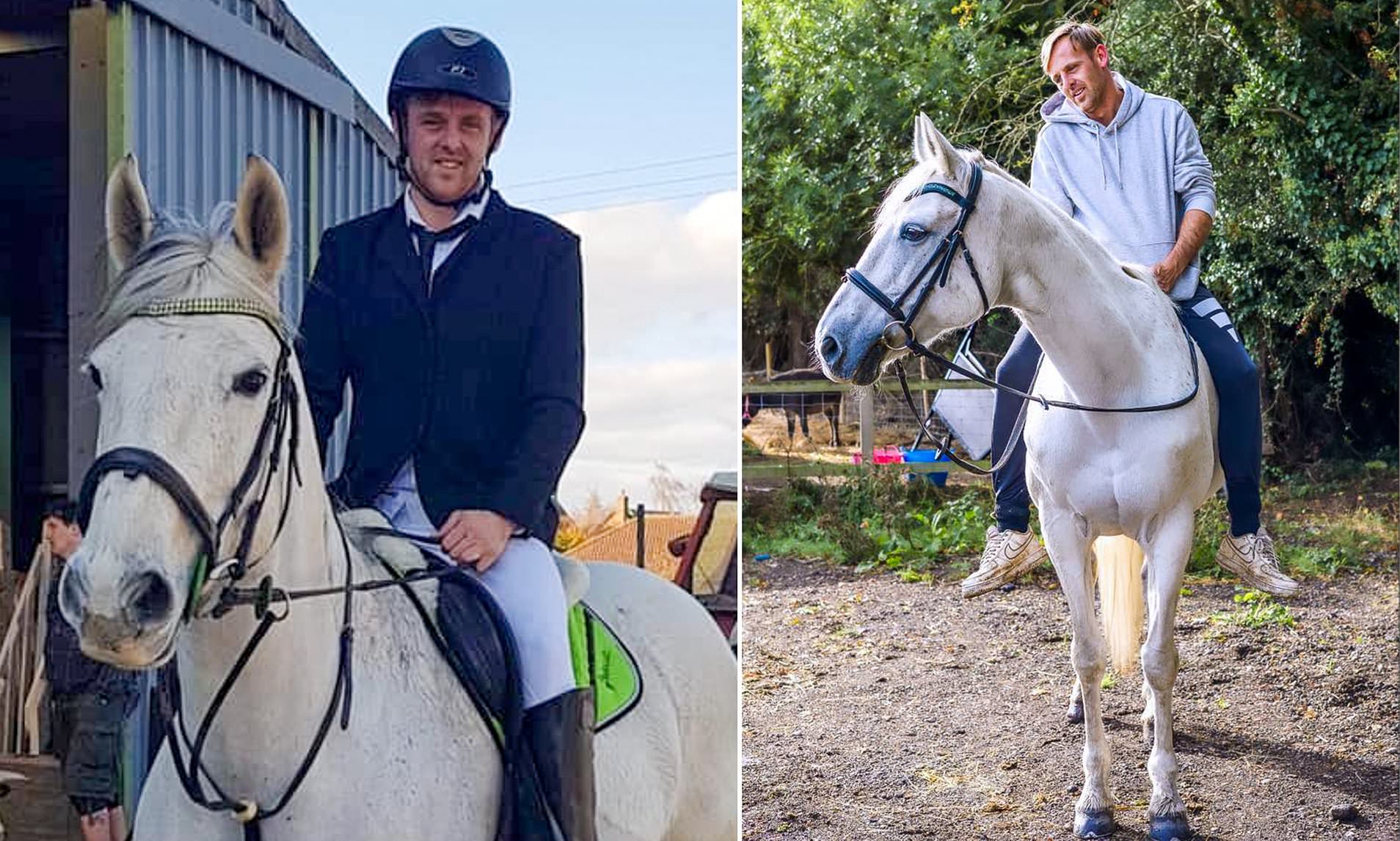
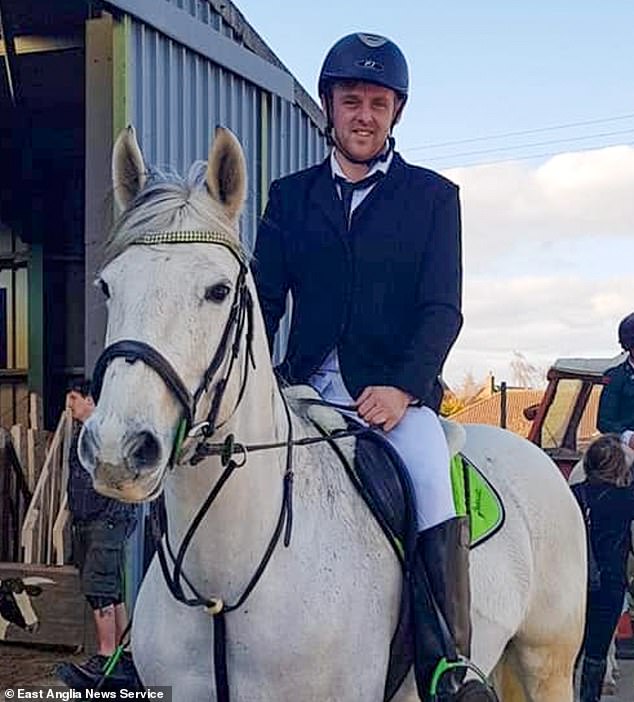
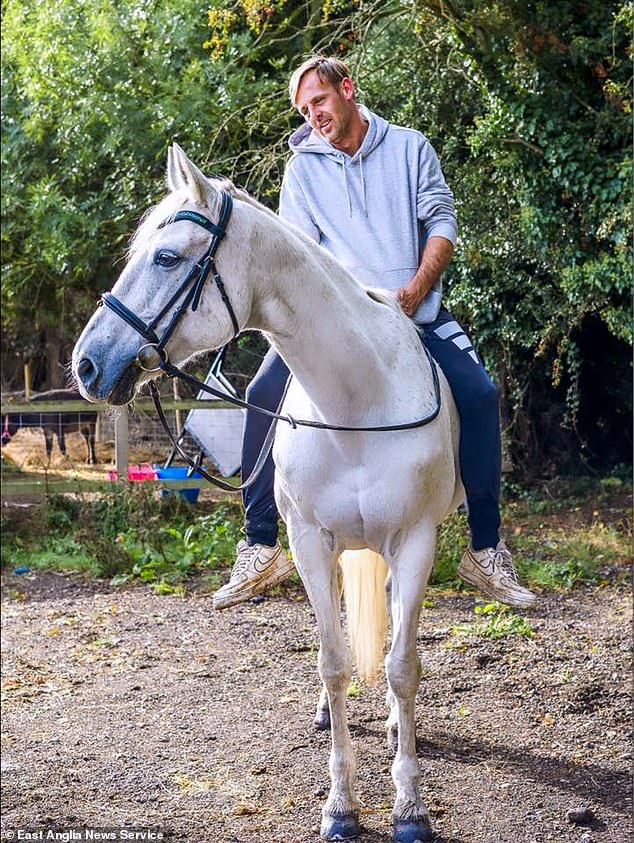
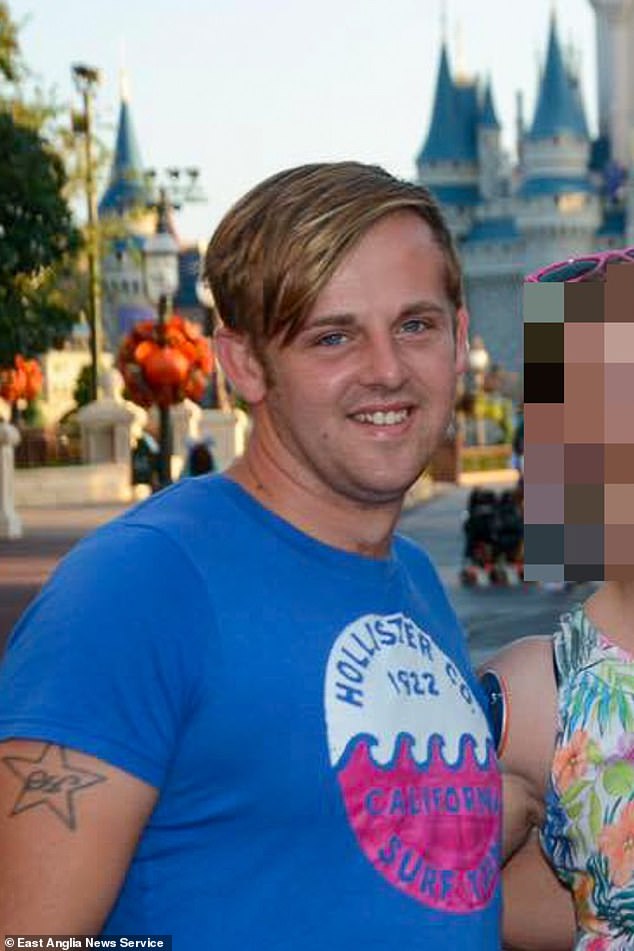
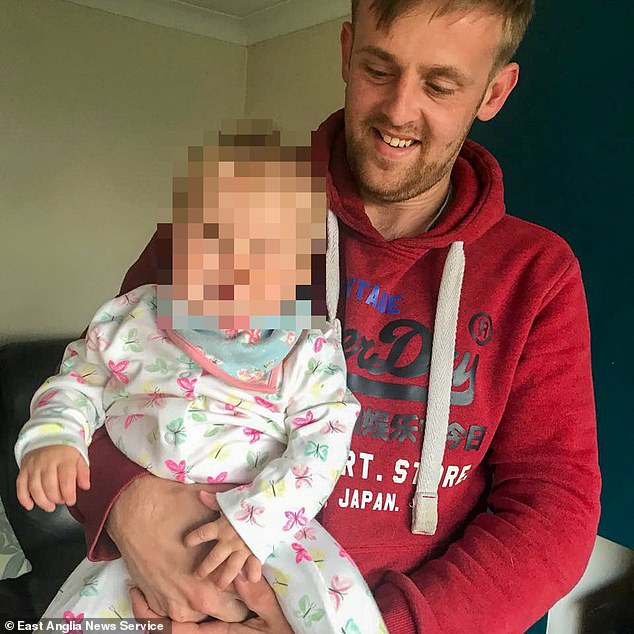
A man who masterfully orchestrated a romance scam, preying on the kindness of a victim and using the illicit gains to fund his equestrian lifestyle, has been issued a stark warning by a judge: a jail sentence is a very real possibility. Adam Mowle, 34, who flaunted his passion for horses on social media, adopted the online persona of “Jenna Smith” on a dating application, weaving a web of deceit that ultimately cost his victim dearly.
The court heard how Mowle, under the guise of “Jenna,” ensnared a man who genuinely believed he was on the cusp of a meaningful, long-term relationship. Exploiting this trust, Mowle, as “Jenna,” fabricated a story of familial illness and dire financial straits, persuading the unsuspecting victim to transfer a substantial sum of £9,165. This wasn’t a one-off transaction; the deception was meticulously planned and executed.
The devastating fallout for the victim was profound. Upon realising the extent of the con, he embarked on a desperate and ultimately ruinous gambling spree in a futile attempt to recover his lost funds. This spiral led to a staggering additional loss of £93,000, compounding the initial financial devastation and plunging him into a deep emotional crisis.
Mowle, residing in Harwich, Essex, pleaded guilty to acquiring criminal property through fraud when he faced Ipswich Crown Court. His sentencing has been deferred to March 18th, with District Judge Matthew Bone making it clear that imprisonment is very much on the table. The judge’s concern was further amplified by the discovery of multiple incoming payments into Mowle’s bank account, some explicitly referencing “Jenna.” This strongly suggests that Mowle had successfully duped other individuals using his fabricated online identity, though these other potential victims have not come forward to lodge official complaints.
Lee Nunn, a senior officer with Suffolk Trading Standards, highlighted the scale of Mowle’s fraudulent activities, noting that the total suspicious amounts received by Mowle amounted to a “five-figure” sum. The court was informed that the ill-gotten gains were primarily channelled into the upkeep of Mowle’s horse and his general living expenses, a callous disregard for the financial ruin he inflicted.
The victim, who has chosen to remain anonymous, shared the harrowing impact of the scam. “In January 2019, I ‘matched’ with a female called Jenna Leigh Smith on a dating app and, as our relationship developed, I genuinely thought that this was the start of a long-term relationship,” he recounted. He described feeling genuine sympathy for the fabricated troubles “Jenna” presented, including a supposed cancer diagnosis for her father and her own serious health issues. Believing he was helping someone he cared for, he offered financial assistance, anticipating repayment.
“It was not until I suspected Jenna was lying to me that I realised I had paid £9,135 into an account that I thought at the time was owned by Jenna,” he stated. The emotional toll has been immense. “The personal impact that the relationship with Jenna and losing nearly £10,000 has had on my life is significant and has destroyed my mental health.”
The victim’s desperate attempt to recoup his losses through gambling led to further catastrophic financial and mental health consequences. “I felt the need to gamble to try and get something back. This has led to me losing £93,000 to try and recoup the money I paid into Mowle’s bank account, going into a deep state of depression and having to seek help via medication and counselling,” he explained. The situation became so dire that he confessed to contemplating suicide. The betrayal has shattered his ability to trust, impacting his future relationships and perpetuating a cycle of depression and financial ruin.
Mr. Nunn commended the victim’s bravery, acknowledging that the prosecution was only made possible by his “courage and determination.” He further stated that Mowle had exploited his “detailed knowledge of the victim’s local area to build trust” and had demonstrated “complete disregard for his emotional and financial wellbeing.”
Graham Crisp, head of Suffolk Trading Standards, echoed these sentiments, remarking, “Mowle has repeatedly shown no regard for his victim.” Councillor Steve Wiles, Suffolk County Council’s cabinet member for public health and public protection, condemned romance fraud as a “cruel crime which causes serious financial and emotional harm to its victims.” He urged individuals engaged in online relationships to exercise extreme caution when faced with requests for money from someone they haven’t met in person.
The Growing Threat of Romance Scams
The prevalence of romance scams is a growing concern. A recent survey conducted by Barclays revealed a dramatic surge in reports of such scams, with a 139 per cent increase observed between March-April and May-June of the previous year. While men reported the majority of these incidents to the bank, women typically suffered the most significant financial losses, with an average loss of £8,900 compared to £3,500 for men.
Kirsty Adams, a fraud and scams expert at Barclays, noted that it might be surprising to some that men are frequently victims, challenging the stereotype that women are more susceptible. Her research indicates that men are generally more inclined than women to transfer funds to individuals they have recently begun dating, even before meeting them in person. This highlights a critical vulnerability that fraudsters like Mowle exploit.
The case of Adam Mowle serves as a stark reminder of the devastating impact of romance fraud. It underscores the importance of vigilance, scepticism towards unsolicited financial requests, and the crucial need for open communication with trusted friends and family when navigating online relationships. The emotional and financial devastation inflicted by such scams can have long-lasting and life-altering consequences, as tragically demonstrated by the victim’s harrowing experience.