
Fuel Price Hikes and Panic Buying Grip Australia Amidst Global Oil Woes
Australian drivers are reportedly caught in a frenzy of panic buying at petrol stations, fuelled by escalating global oil prices and anxieties surrounding the ongoing Middle East conflict. Crude oil prices have surged past the $100 per barrel mark for the first time in over three years, a significant jump attributed to the disruption of the Strait of Hormuz, a crucial artery for international energy shipments.
This global instability is now manifesting on Australian shores, with reports emerging of petrol stations running dry across the nation. Social media has been abuzz with videos and anecdotes detailing the growing concern.
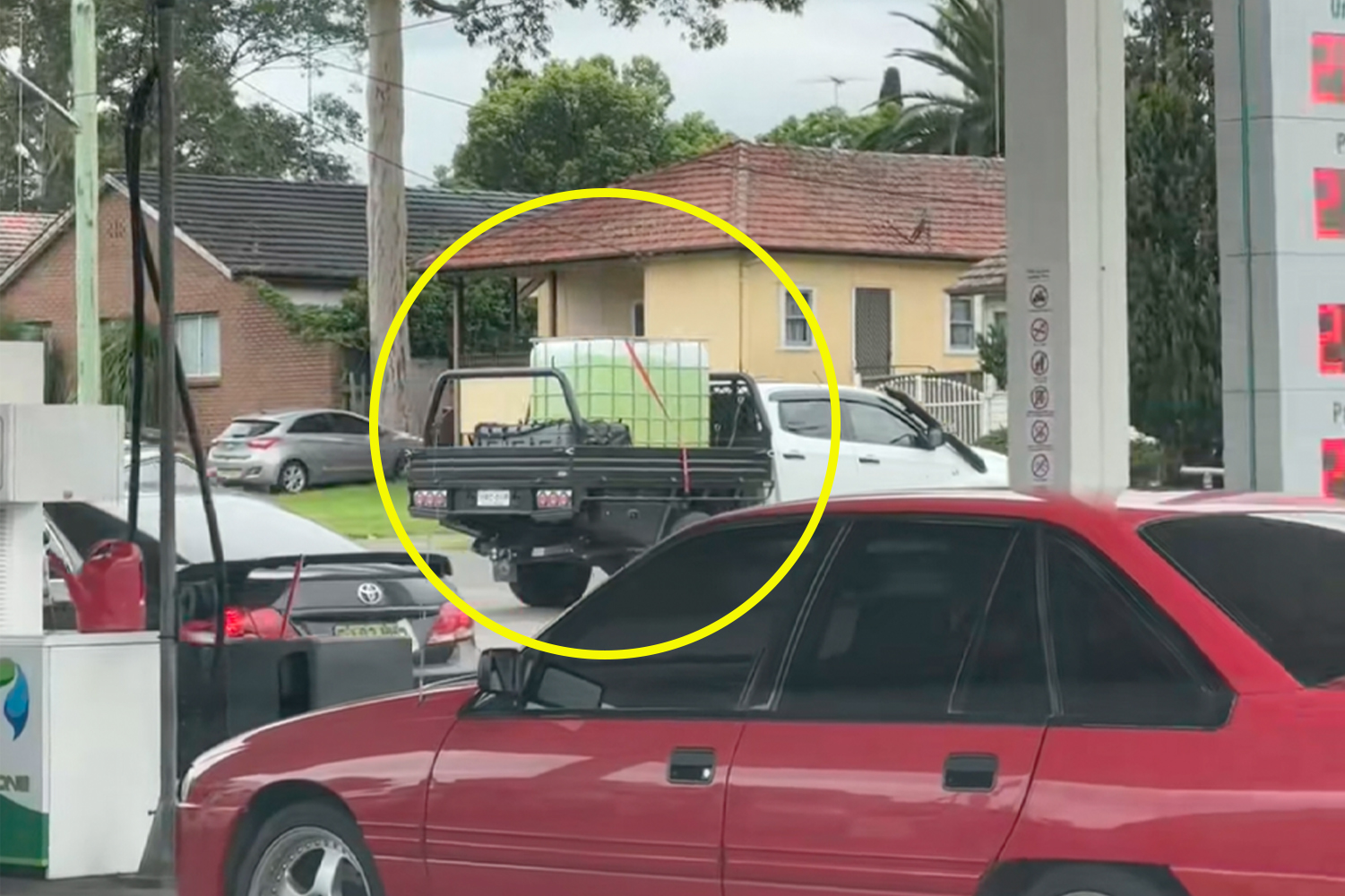
One widely circulated clip captures a utility vehicle at a Riverstone Petroleum station in Sydney’s west, allegedly filling multiple plastic tanks with hundreds of litres of fuel. While some viewers expressed envy at the apparent foresight of the driver, many others condemned the action, accusing them of exacerbating an already precarious fuel shortage.
“People are being ridiculous! Everyone needs to chill. Am I the only one not panic-buying?” questioned one concerned Australian online. Counterarguments suggested the driver might be a farmer, for whom such large fuel purchases are a regular necessity.
Fuel Companies Sound the Alarm on Worsening Shortages
The situation has prompted fuel companies to issue stark warnings about dwindling supplies. Transwest Fuels, with operations in Tamworth, has appealed to the federal government, calling for intervention amidst widespread petrol shortages. Their spokesperson highlighted the critical impact on several key locations, stating that Toowoomba, Newcastle, and Tamworth are all experiencing significant supply issues.
“We currently have zero petrol supply at Newcastle or Brisbane,” the spokesperson revealed. “This means that once our servos run out of petrol, that’s it. No more.”
The surge in panic buying appears to have intensified following reported attacks in the Middle East. Earlier in the week, cities across Australia witnessed lengthy queues forming outside service stations. A Melbourne resident recounted a queue stretching for over a kilometre on a recent Sunday evening. The demand has led to widespread sell-outs of jerry cans at retail outlets, with many individuals admitting to stockpiling fuel in anticipation of further supply disruptions.

Accusations of “Hoarding” Fuel Surface
In Queensland, Bartranz Petroleum has voiced concerns about customers engaging in “hoarding” behaviour. A spokesperson for the company described a scenario where fuel deliveries are depleted within hours by individuals filling jerry cans and larger Intermediate Bulk Containers (IBCs).
“We can no longer supply service stations,” the spokesperson stated. “Every time we top them up the fuel is depleted within hours by people hoarding fuel in jerry cans and IBCs.”
Adding to the national concern, United Petroleum, a major independent fuel wholesaler and retailer, has announced the suspension of normal operations across its network. The company cited severe fuel shortages and is currently reassessing its supply position and incoming cargo schedules. A statement from United Petroleum indicated they are taking a “prudent step of suspending all customer allocations across all locations effective immediately.”
Soaring Prices Hit Regional Australia Hardest
The impact of these supply chain issues is already being felt acutely in regional Australia, with fuel prices climbing to alarming levels. In some remote areas, prices are approaching $4 per litre. For instance, communities in the Northern Territory, such as Ramingining and Milingimbi in Arnhem Land, are currently paying $3.99 and $3.95 per litre for diesel, respectively.
While capital cities like Sydney, Melbourne, and Brisbane are yet to experience such extreme price hikes, service stations are currently averaging around $2.20 per litre. In response to the escalating situation, Treasurer Jim Chalmers has reportedly contacted the Australian Competition and Consumer Commission (ACCC) to ensure that service stations do not exploit the situation.
“We don’t want service stations to take advantage of people,” Mr Chalmers stated. ACCC Commissioner Anna Brakey has affirmed the commission’s readiness to act, warning that they “will not hesitate to take action” against any petrol companies found to be contravening competition and consumer laws.
Potential Future Scenarios: What if Supply Remains Restricted?
The long-term implications of sustained supply restrictions could be significant for Australia. Benjamin Picton, a senior macro economist at Rabobank, suggests that a protracted disruption to global crude oil markets and export restrictions on refined fuels would place Australia in a challenging predicament.
In a severe, worst-case scenario, dwindling fuel availability might necessitate the reintroduction of work-from-home mandates and stricter flight restrictions. Mr Picton further elaborated that if the conflict in the Middle East escalates and nations begin to hoard resources, Australia might need to consider leveraging its liquefied natural gas (LNG) exports as a bargaining tool.
“If it gets bad enough for long enough, then we start to get into the conversation around needing to limit usage,” he explained. “We might be talking about work-from-home mandates. We might be talking about restrictions on air travel and even rationing, if it got bad enough for long enough.”

