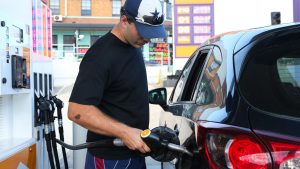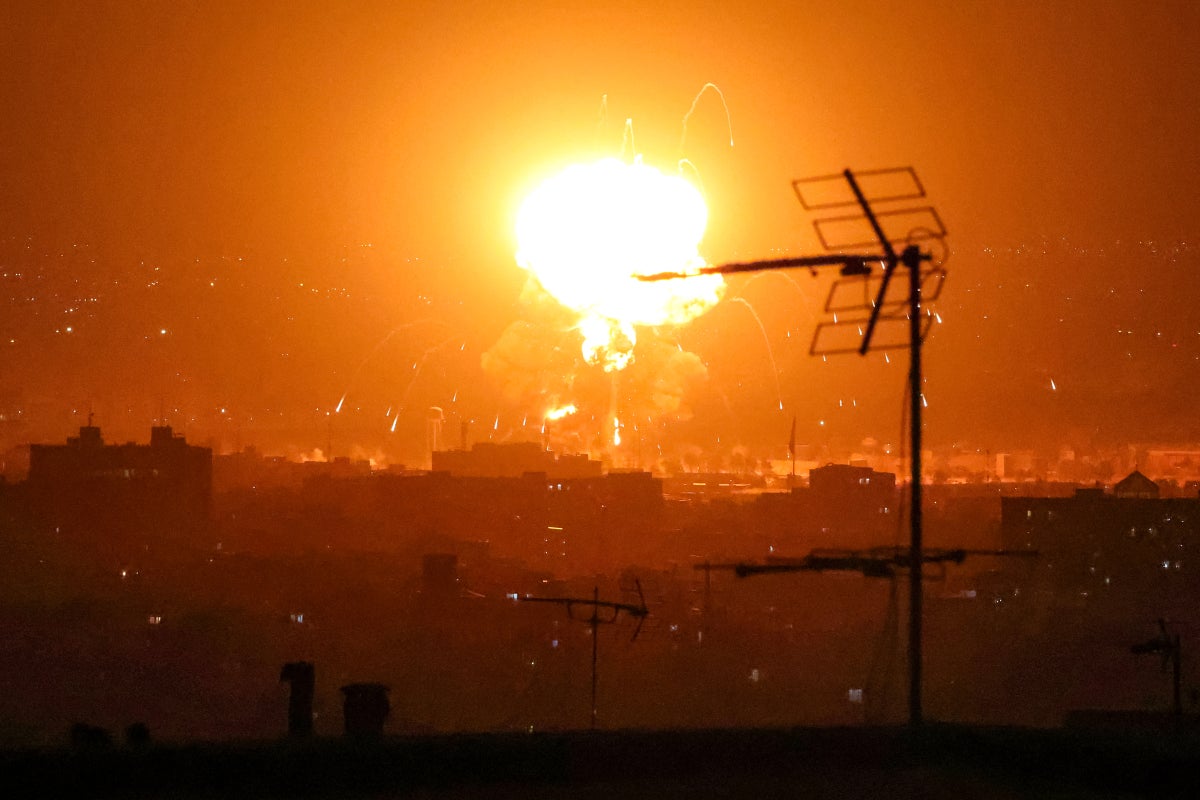
The escalating crisis in Iran is sending shockwaves through global economies, with dire warnings about soaring oil prices and potential supply chain disruptions. The conflict, marked by strikes on energy facilities, could destabilise the world’s economies and lead to significant price hikes for essential commodities.
Global Economic Ramifications
Qatar’s Energy Minister, Saad al-Kaabi, has voiced serious concerns about the wider economic fallout. He indicated that it could take his country “weeks to months” to fully restore its normal liquefied natural gas (LNG) delivery patterns following an Iranian drone strike on its primary LNG plant. This disruption is expected to hit Europe particularly hard, with a substantial price spike anticipated.
Goldman Sachs has echoed these concerns, predicting that oil prices could surge to as high as $150 per barrel by the end of March. Such a dramatic increase would place immense pressure on consumers and businesses, particularly in the UK.
The situation intensified on Sunday as Tehran was enveloped in thick black smoke after American and Israeli jets targeted four oil depots in the capital. These strikes, appearing to be the first on energy infrastructure since the conflict began, raise the alarming prospect of broader attacks on critical regional assets.
“If this war continues for a few weeks, GDP growth around the world will be impacted. Everybody’s energy price is going to go higher,” Mr Al-Kaabi told the Financial Times. He elaborated on the potential consequences, stating, “There will be shortages of some products and there will be a chain reaction of factories that cannot supply.”
Europe is expected to be significantly affected, as Asian buyers are likely to outbid European nations for any available gas on the market, especially if other regional countries declare force majeure.
UK’s Vulnerability and Energy Security
The supply crunch poses a significant threat to UK consumers, with warnings that the nation is particularly exposed to price spikes due to a limited gas storage capacity. Approximately 30 per cent of the UK’s electricity is generated from gas-fired power plants, a much higher proportion compared to Germany (17 per cent) and France (3 per cent). Furthermore, gas is used for heating in over 70 per cent of British homes.
Recent data from National Gas revealed that its gas storage facilities were operating at only 18 per cent of their former capacity.
Strait of Hormuz Blockade and Oil Market Impact
Adding to the growing concerns, Goldman Sachs’ analysis indicated a severe reduction in traffic through the Strait of Hormuz, falling to just 10 per cent of its usual levels in recent days. This near-complete shutdown of the vital shipping lane has forced major oil producers in the region, including Saudi Arabia, the United Arab Emirates, Iraq, and Kuwait, to suspend shipments totalling up to 140 million barrels of oil. This volume is equivalent to roughly 1.4 days of global demand.
Consequently, oil and gas storage facilities in the Middle East Gulf are rapidly reaching capacity. This situation is compelling oil fields in Iraq to curtail production, with Kuwait and the United Arab Emirates expected to follow suit.
The widening Iran crisis could “bring down the economies of the world” and send oil prices soaring, Qatar’s energy minister warned as US and Israeli bombs pounded energy facilities in Tehran.
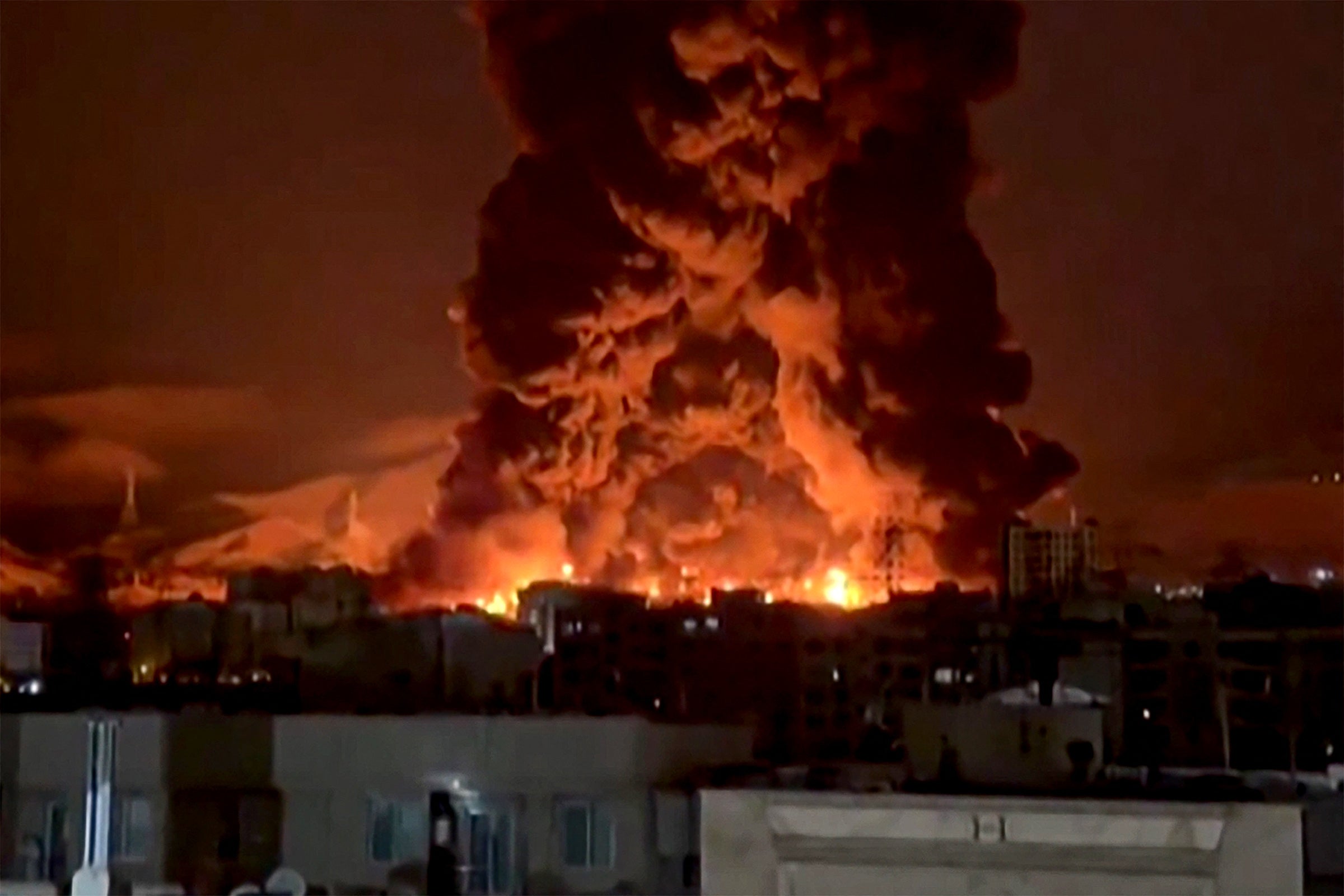
The attack appeared to be the first on an energy facility since the beginning of the war, raising the prospect of a wider assault on infrastructure in the region.
The surge in oil and gas prices has already escalated costs for businesses heavily reliant on energy imports, impacting their profit margins. This development also reignites fears among policymakers and investors of a renewed inflationary spiral.
The ripple effects extend to various industries, with approximately 40 per cent of the world’s plastic production originating from crude oil. This means that volatility in oil prices will inevitably affect the cost of a wide range of consumer goods, from packaging to furniture, and impact manufacturing processes.
Young Liu, chair of Foxconn, a major electronics manufacturer and a key partner to Nvidia, acknowledged the widespread impact, stating, “If these effects last longer, everyone will start to feel them.”
Expert Analysis and Recession Fears
Professor Mohamed El-Erian of the University of Pennsylvania highlighted the UK’s particular vulnerability to energy price shocks. He observed that the UK appears more susceptible to external economic disruptions than other nations, which could translate into higher mortgage rates. “The average person will get hit from multiple sides, unfortunately,” he commented, anticipating higher energy prices, increased mortgage rates, and noticeable price rises across a broad spectrum of goods and services due to supply chain disruptions.
Morgan Stanley has warned that a prolonged period of high prices could necessitate a “recession playbook.” Goldman Sachs analysts estimate that a temporary spike in oil prices to $100 per barrel could slow global growth by 0.4 percentage points.
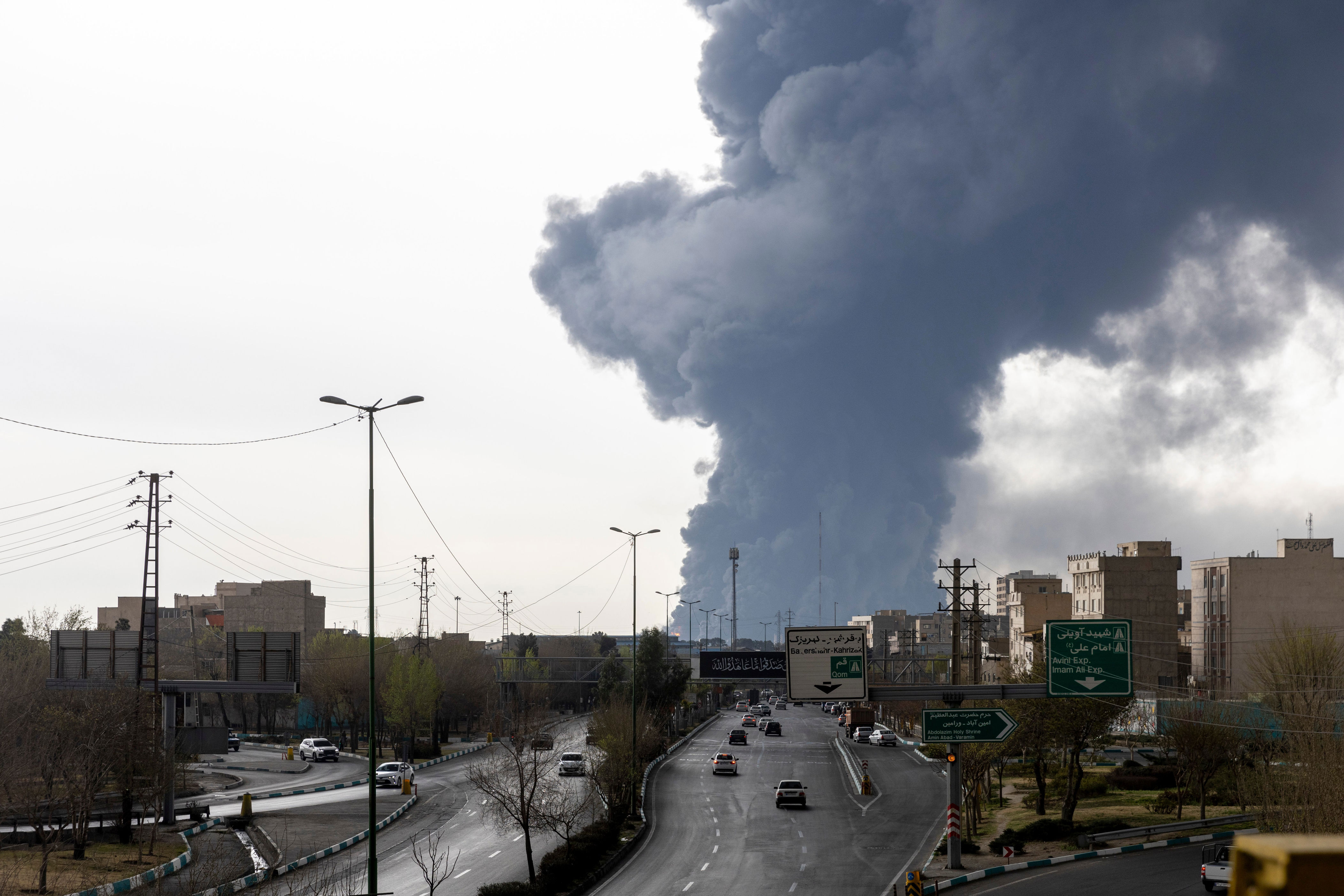
Analysts said that the impact of Iran’s blockade already appears to be 17 times larger than the April 2022 peak hit to Russian production, following the full-scale invasion of Ukraine.
As prices continued their upward trajectory, Iran’s Islamic Revolutionary Guard Corps reported on Saturday that a commercial oil tanker was set ablaze in the Strait of Hormuz after being struck by an Iranian suicide drone. They claimed the tanker, the Prima, sailing under a Maltese flag, had ignored warnings to avoid the strait. Iranian state media also reported that the IRGC had targeted a Marshall Islands-flagged tanker in the same strait.

Prof Mohamed El-Erian, of the University of Pennsylvania, told the BBC that the UK would be “hit from multiple sides” by shocks to energy prices.
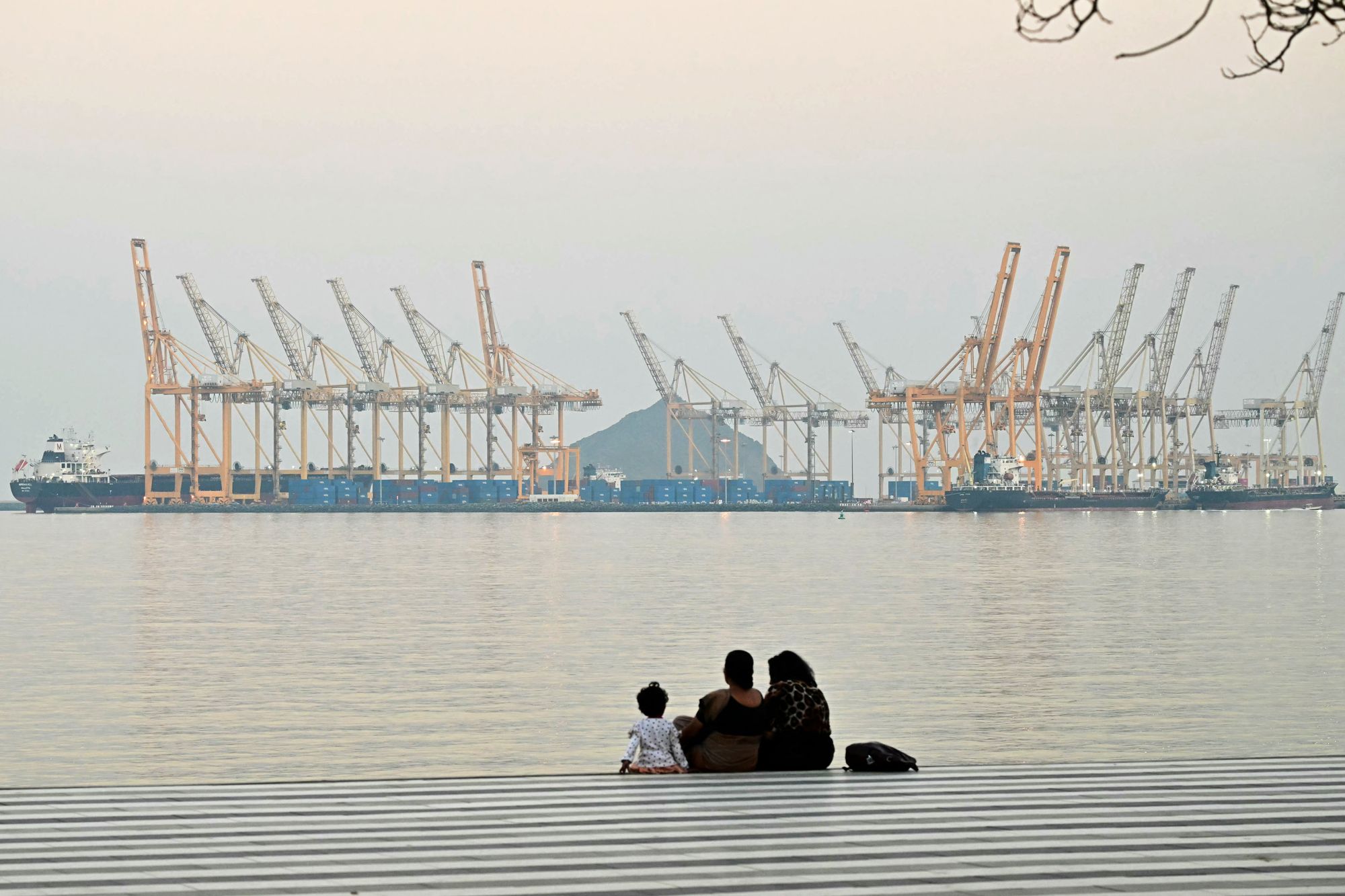
They claimed the Prima, sailing under a Maltese flag, had ignored repeated warnings not to enter the strait.
Government Response and Future Outlook
In response to the affordability crisis, a spokesperson for the Department for Energy Security stated that tackling this issue is the government’s top priority. Measures taken in the Budget aim to fix the price cap until the end of June, with household energy bills expected to decrease during that three-month period.
The spokesperson emphasised the UK’s diverse and resilient energy system and assured that the situation in the Middle East is being closely monitored. The government also reiterated the long-term strategy: “The only way to protect ourselves from these price spikes is to get off the rollercoaster of fossil fuel markets.”