The Protein Powder Pinch: Why Your Favourite High-Protein Foods Are Becoming Harder to Find and More Expensive
The relentless pursuit of peak physical condition, often fuelled by social media trends like ‘protein maxxing’, has slammed into a very real economic wall. What was once the exclusive domain of gym enthusiasts, relegated to shaker bottles, has now infiltrated our daily diets. From waffles and pancake mixes to iced lattes and decadent cookie dough, whey protein is everywhere.
This insatiable demand, driven by a growing legion of health-conscious consumers aiming to maximise muscle gains, boost satiety, and shed kilograms, has sent shockwaves through the global supply chain. Reports are emerging that some key whey suppliers are already completely sold out for the remainder of 2026. The price of high-protein whey concentrate has skyrocketed, experiencing an increase of over 40 percent in a mere two-month period, leaving manufacturers in a frantic scramble to adapt.
The Whey Conundrum: A Byproduct’s Bottleneck
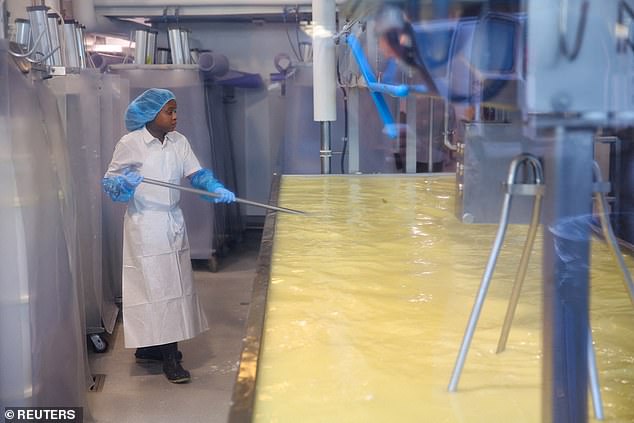
The fundamental challenge lies in the very nature of whey. Unlike plant-based proteins, which can be cultivated seasonally, whey isn’t a standalone agricultural product. It is, in fact, a byproduct of cheese production. When milk is separated into curds for cheese-making and liquid whey, this liquid must undergo a rigorous process of pasteurisation and drying to transform into the coveted protein powder. The crucial point is that producers cannot simply churn out more whey on demand; it’s intrinsically linked to the volume of cheese being manufactured. This makes scaling up whey production a complex and time-consuming endeavour.
Bryan Weller, vice president at dairy cooperative Agri-Mark, which operates the well-known Cabot Creamery brand, highlighted the surreal shift in their business focus. “You start to think of yourself as a protein company, not a cheese company,” Weller commented, underscoring the unprecedented demand. Agri-Mark has exhausted its entire stock of whey protein and continues to field daily requests for immediate purchases.

Navigating the New Supply Landscape
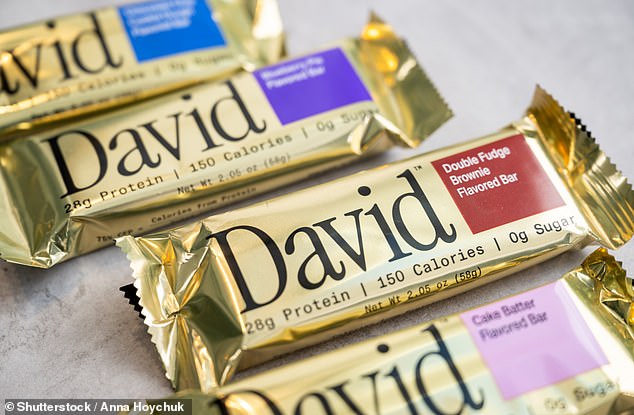
The power dynamic in the whey market has dramatically shifted. George Saker, vice president of supply chain at protein bar manufacturer David, explained that securing whey now necessitates an established relationship with manufacturers. Previously, it was common for whey producers to actively approach food companies to market their product. Saker anticipates this trend will intensify in the latter half of the year, as food companies grappling with unexpectedly high demand will need to re-engage with their suppliers to negotiate for additional supplies.
Alternative Proteins: A Compromise for Consumers?
In response to the whey shortage, manufacturers are exploring various alternatives. Some are reformulating their products to incorporate ingredients like milk protein concentrate, pea protein, or blends of rice and pumpkin seed protein. However, these substitutes often come with their own set of challenges, particularly concerning texture and taste. One baking mix company, forced to switch whey protein suppliers and absorb significantly higher costs, found that their new protein additive imparted a flavour to their pancakes described as akin to ‘sawdust’.
While plant-based blends, such as those using peas, pumpkin seeds, or rice, can offer complete protein profiles when combined judiciously, they often possess a different fibre composition. This can lead to digestive discomfort, such as bloating, in individuals with sensitive stomachs. Milk protein concentrate, on the other hand, digests more slowly. While this might be less ideal for immediate post-exercise recovery, it can be perfectly suitable for meal replacement products.
Registered dietitians caution that while these alternative proteins are not inherently harmful, they are not direct equivalents to whey. The subtle differences in amino acid profiles and absorption rates can impact their efficacy for specific nutritional goals.
The Price Surge: A Wake-Up Call for Consumers
The impact of the whey shortage is already being felt at the manufacturing level. Vitalura Labs, a supplement company, has ceased production of its whey protein isolate altogether. This product, once responsible for half of the company’s sales, saw its costs escalate by an astonishing 300 percent since 2023, rendering its continued production unviable.
Majic Protein, a UK-based business specialising in high-protein cookie dough desserts, has also found the transition away from whey to be a significant hurdle. Co-founder Ben Ayres reported a 30 percent price increase in whey protein over a three-month period, followed by a warning from their wholesale supplier about stock depletion by September. In a bid to secure supply, Majic Protein recently purchased the entirety of their wholesaler’s remaining whey protein concentrate, an amount Ayres estimates will only last for two months, or potentially less.
Whey’s status as a ‘complete protein’ – containing all nine essential amino acids and being rapidly absorbed by muscle tissue – has cemented its position as the benchmark for post-workout recovery.
What the Future Holds: Empty Shelves and Higher Prices
While consumers may not yet be witnessing widespread empty shelves, experts predict significant changes are on the horizon. Market research firm Spins forecasts that within the next 12 to 18 months, shoppers will likely encounter noticeable price hikes on a range of protein-fortified products, including bars, shakes, and snacks.
The repercussions of this shortage could also lead to the discontinuation of certain products. Smaller brands have already been forced to withdraw their whey-based offerings, and larger corporations may follow suit if they cannot guarantee a consistent supply.
Practical Advice for Consumers
As the market adapts, consumers are advised to become more vigilant. Checking ingredient labels on high-protein packaged foods will be crucial. If whey is no longer listed, it signifies a product reformulation. Furthermore, it’s prudent to brace for potential price increases on products that continue to feature whey over the coming year.
For those looking to sidestep these protein-related challenges altogether, a return to whole-food protein sources offers a reliable alternative. These foods are not subject to the current whey shortage and include readily available options such as:
- Eggs
- Chicken
- Fish
- Lean beef
- Beans
- Lentils
- Greek yogurt