

Families Face Relief as Government Eyes Support for Soaring Heating Oil Costs
Families across the UK grappling with a dramatic surge in heating oil expenses are poised to receive financial assistance, with government officials reportedly finalising plans to help households manage the escalating bills. The cost of heating oil has, in some areas, doubled since the commencement of recent international conflict, reaching approximately 130 pence per litre.
Unlike gas and electricity, heating oil is not currently subject to the energy price cap. Consequently, any government subsidy is anticipated to represent a significant expenditure, potentially in the tens of millions of pounds. Full details of the proposed support package are expected to be announced imminently.
The Chancellor has confirmed that funding has been identified to address the needs of individuals not covered by the energy price cap, stating, “We have found the money and we’ve worked through with MPs and others a response for people who are not protected by the energy price cap. We’re giving greater support to those who really need it.”
Furthermore, the Chancellor has committed to exploring “different options” for households most vulnerable to sudden increases in gas and electricity prices, should a protracted conflict in the Middle East continue to disrupt global energy markets for an extended period. While gas and electricity bills are currently protected by a price cap, this safeguard is scheduled to conclude in June, potentially leading to an average increase of up to £300 per household, pushing annual bills above £1,900.
However, the Chancellor has expressed caution regarding a broad, universal bailout akin to the package introduced by Liz Truss following Russia’s invasion of Ukraine, which incurred a cost of approximately £35 billion for taxpayers over six months.
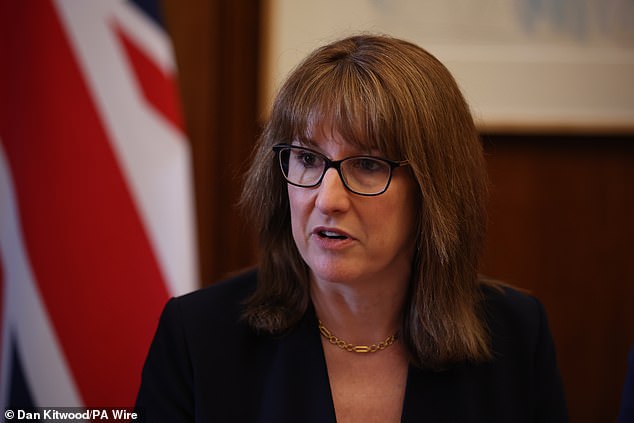
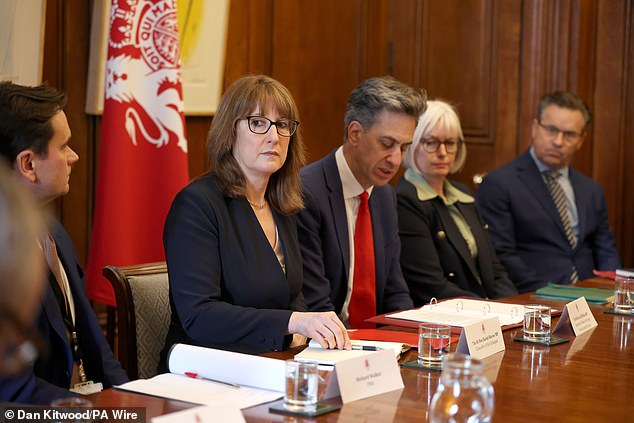
Instead, hints suggest that Treasury officials are modelling a range of support measures, with a clear priority on assisting lower-income families. The specifics of these calculations are likely to be influenced by the projected duration of the ongoing conflict and its subsequent impact on wholesale energy prices.
“We’ve got some time, and we are working through in the Iran response board [a group of treasury ministers and officials] different approaches that we could take, including looking at more targeted options,” the Chancellor stated. “We are working through different scenarios at the moment and I don’t want to suggest that we’re going to do something that we know we’re not able to deliver. I am concerned given how high our debt is, the debt that we inherited, and so I want to look at what the different options available would be.”
During an interview, the Chancellor emphasised the importance of fiscal discipline, noting, “It is important even when there is an economic shock – or perhaps particularly when there’s an economic shock – that you continue to be disciplined about your use of public money.”
Fuel Duty Debate Continues Amidst Rising Petrol Prices
The Chancellor is also facing pressure to reconsider the planned five pence per litre fuel duty increase, which is slated to take effect from September. This comes after the Prime Minister indicated that the proposed rise is under review. Average petrol prices have already surpassed £1.40 per litre, representing a 5% increase since the conflict began and reaching a 16-month high.
The Chancellor suggested that intervention on fuel duty was unlikely, expressing frustration that significant government investment in maintaining lower fuel duty had not always been passed on to consumers. Citing research from the Competition and Markets Authority, she indicated that some retailers were charging excessive prices and stated, “I don’t want to freeze fuel duty to allow petrol retailers to make a bigger profit.”
In contrast, Tory leader Kemi Badenoch has urged the Chancellor to scrap the September fuel duty increase, labelling it “stupid” and “the last thing we need.” Badenoch also advocated for the UK to increase domestic oil and gas production by “start drilling” in the North Sea.
Global Supply Chain Vulnerabilities Exposed
The Strait of Hormuz, a critical artery for oil and gas tanker traffic, typically sees approximately 138 vessels pass through daily. However, this figure has plummeted to around five due to the heightened threat of attack, underscoring the fragility of global energy supplies. This volatility in oil and gas prices directly translates to increased fuel bills for consumers and raises concerns about further escalation of household energy costs.
The UK’s Association for the Distribution of Oil Fuels (UKIFDA) highlighted that the current surge in heating oil prices is particularly severe because, similar to jet fuel, heating oil is kerosene-based. Both commodities are traded on European wholesale markets, which are significantly reliant on oil tankers transiting the Strait of Hormuz, a route now effectively threatened by Iran. Approximately 40% of Europe’s jet fuel originates from the Middle East, and its price is currently at a three-year peak.
Ken Cronin, CEO of UKIFDA, noted that distributors, who purchase oil “almost daily,” have themselves been impacted by rapidly fluctuating wholesale costs. He commented, “In a market this volatile, lack of certainty is difficult. Our members are doing everything they can to support oil-heated homes.”
Household Impact and Government’s Economic Position
Recent Census data indicates that a substantial number of households are affected by reliance on heating oil. In England and Wales, this figure stands at 865,000, predominantly in eastern England, Wales, the north-east, and the west country. Scotland has 127,000 affected households, and Northern Ireland has 380,000.
The Chancellor asserted that the UK is in a stronger economic position to withstand the repercussions of a Middle East conflict due to policies that have stabilised the nation’s finances. “When I came in, there was no money left in the reserve,” she stated. “Interest rates were too high. Our borrowing costs were too high. They were much higher than other countries and they were not coming down. And it’s taken a year and a half to get us into that better place.” She added, “It does show that we were right to do what we did the first year and a half because we are in a much stronger position economically and fiscally to deal with this than we would have been if it had happened 18 months ago. I feel that very strongly.”
Opposition Criticisms and Government Reassurance
The Conservative Party has responded by accusing the Chancellor of “dragging her feet” on providing tangible support for families and small businesses impacted by rising petrol costs. Shadow Energy Secretary Claire Coutinho stated, “Rachel Reeves says she has ‘found the money’, but families and small businesses are being hammered right now by rising petrol prices while already under huge pressure from their economic mismanagement.”
Coutinho argued that Labour could cancel the fuel duty rise, reduce energy taxes, and cease imposing further costs on fuel prices, but instead, “she’s dragging her feet with more delay and no concrete plans when drivers and businesses need action now.” She called for the government to cut fuel duty, which would “saving families hundreds of pounds.” The Conservatives claim their “Cheap Power Plan” would cut bills by 20%, save £165 per household, and support the North Sea, asserting that Labour’s plan “cuts bills less, costs more, and ignores businesses.”
A Government spokesperson acknowledged public concern about the potential impact of global conflicts on the cost of living. They stated, “While it is too soon to know the full impact of this crisis, as the Chancellor said, she will take the necessary decisions to help families with the cost of living and protect the public finances.” The spokesperson also highlighted existing measures, including the extended 5p fuel duty cut, the expanded Warm Homes Discount to reduce energy bills by £150 annually for six million households, and the current energy price cap, which will protect households for the next three months with bills set to fall by £117.


