


The fate of two New Jersey malls, Hamilton Mall and Livingston Mall, hangs in the balance as they struggle to attract shoppers, even during what is traditionally the busiest shopping season. The once vibrant hubs of retail activity now paint a picture of decline, reflecting a broader trend impacting malls across the United States.
Hamilton Mall: A Shell of its Former Self
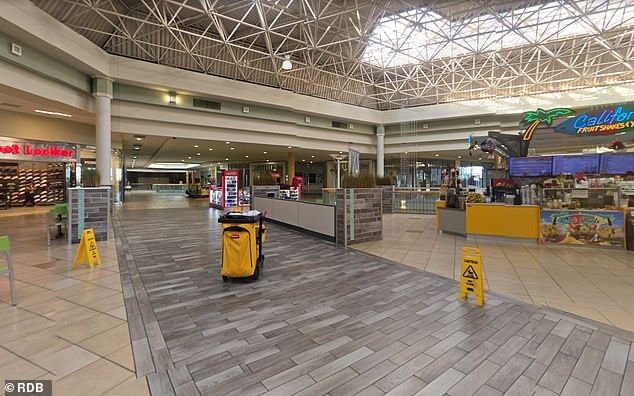
Hamilton Mall, situated in southern New Jersey, presents a stark image of decline. Reports indicate severely low foot traffic, with many storefronts permanently shuttered. Even Macy’s, one of the mall’s anchor stores, sees only a handful of shoppers browsing its aisles. The presence of a Santa Claus hired for holiday photos underscores the mall’s struggles; despite the festive season, families are conspicuously absent. Robert Goodman, Hamilton Township’s community development director, lamented the mall’s current state, stating that it is no longer a place for people to shop, socialise, or meet friends.
Livingston Mall: Echoes in Empty Corridors
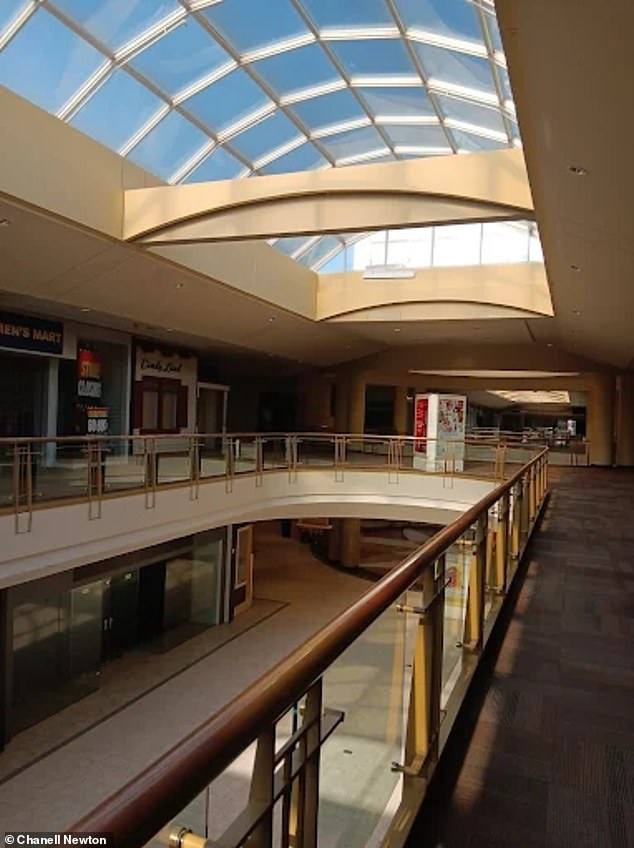
Livingston Mall, located approximately 18 miles west of Manhattan, faces similar challenges. Metal gates guard the entrances of numerous vacant storefronts, and footsteps echo through the largely deserted corridors. Outside, the parking lot, riddled with potholes, serves as another visible sign of the mall’s diminished status.
The Rise of Online Retail and the Decline of Malls
The struggles of Hamilton Mall and Livingston Mall are not unique. Malls across the United States are grappling with a shift in consumer behaviour towards online retail, with giants like Amazon dominating the market. Even established brick-and-mortar retailers such as Walmart and Target have had to prioritise their online presence to remain competitive.
According to research by Capital One Shopping, the United States, once home to approximately 25,000 malls in 1986, now has only 1,200. Projections suggest that this number could dwindle to as few as 900 by 2028, representing a staggering 95% decline in the last four decades.
The Three Tiers of Malls
James W. Hughes, an economist and professor at Rutgers University, categorises New Jersey’s 25 enclosed malls into three tiers:
Top-Tier Malls: These malls, such as the Garden State Plaza in Paramus, continue to thrive due to the presence of luxury stores that attract customers from a wide geographical area.
Middle-Tier Malls: These malls maintain a steady flow of shoppers by offering essential goods and services that cater to local residents.
Bottom-Tier Malls: These struggling malls have lost major department stores like Macy’s and Nordstrom, raising questions about their long-term viability. Hughes describes these malls as “bottom feeders” with no future as regional shopping destinations.

The Future of Distressed Malls
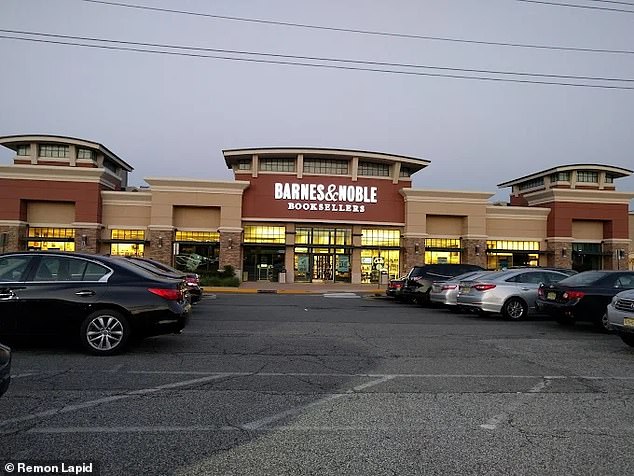
While some malls are undergoing extensive renovations to revitalise their appeal, the future remains uncertain for the Livingston Mall and Hamilton Mall. Hamilton Mall has experienced a significant exodus of stores over the past decade, including Sears, JCPenney, Shopper’s World, Friendly’s, and Build-a-Bear. Livingston Mall, while still housing Macy’s and Barnes & Noble, has also lost several chains in recent years, such as Sears, Claire’s, Justice, Kay Jewelers, and Children’s Place.
The decline of these malls reflects a broader shift in consumer preferences. Malls are no longer perceived as desirable social hubs, particularly as they fall into disrepair and offer fewer retail options. One shopper recounted an incident where her son’s car accidentally drove into a sinkhole in the Livingston Mall parking lot, highlighting the deteriorating infrastructure.