
US Confident of Swift Resolution in Iran, Despite Conflicting Reports and Escalating Tensions
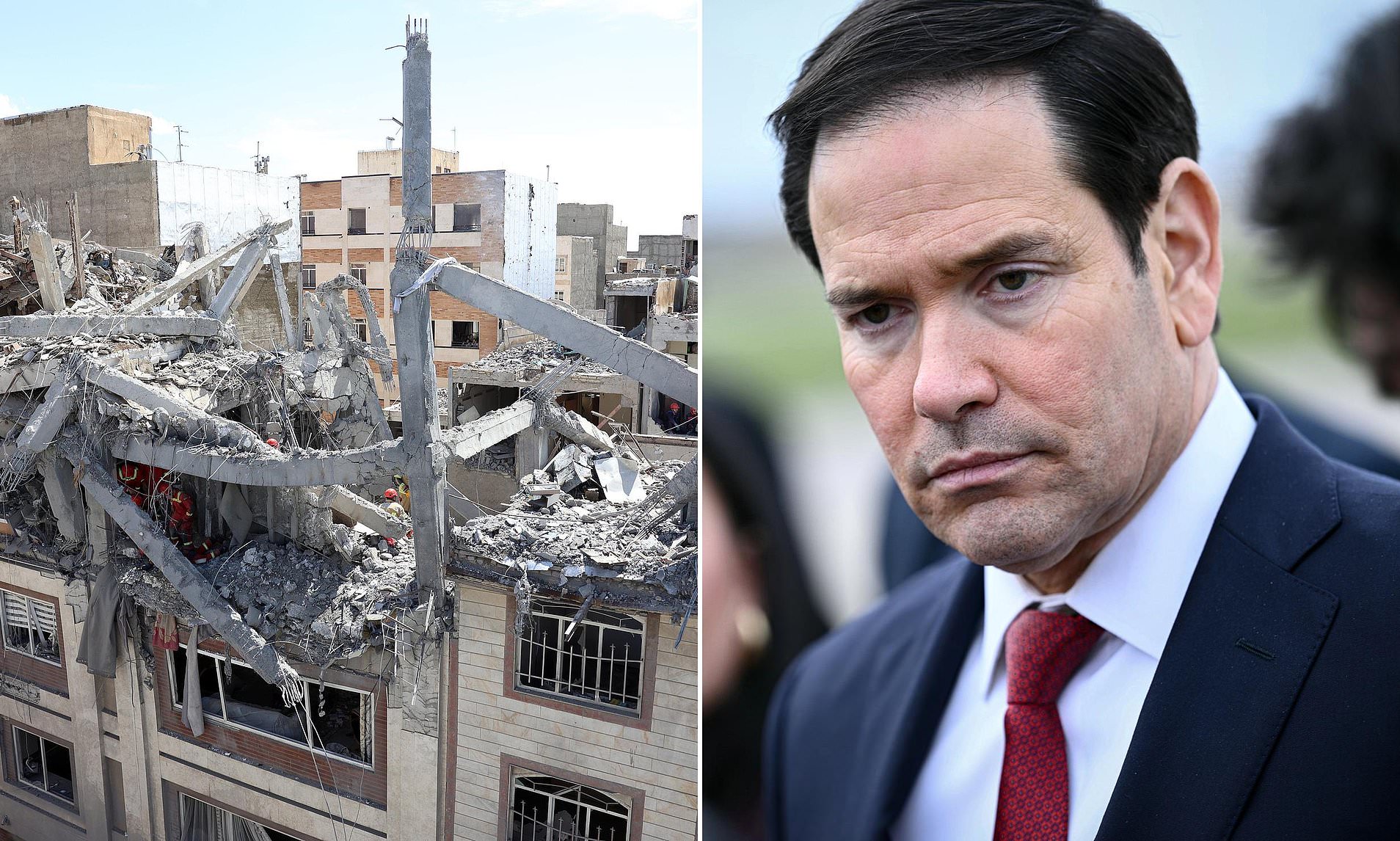
Washington has asserted its capability to achieve its strategic aims in Iran without the necessity of deploying ground troops, projecting a swift conclusion to the ongoing military engagement. Secretary of State Marco Rubio stated on Friday that the operation is “ahead of schedule” and is anticipated to conclude “in weeks, not months.”
Despite reportedly informing international leaders that the conflict’s completion timeline is set for two to four weeks, officials disclosed on Friday that the US is still deliberating over a potential ground invasion. In a significant military build-up, approximately 10,000 additional troops are en route to the region within the next ten days, bolstered by fighter jet squadrons and armoured vehicles, according to sources cited by the Axios news outlet. This deployment is in addition to the 5,000 marines and 2,000 paratroopers previously dispatched to the Gulf earlier in the week.
The geopolitical landscape remains fraught with uncertainty. Polish Prime Minister Donald Tusk expressed on Friday, “I have reasons to believe, also based on information we have received from our allies, that stabilisation is unlikely in the coming days. On the contrary, a new escalation may occur.”
When pressed for details following a G7 meeting in France, Mr. Rubio reiterated to reporters, “This is not going to be a prolonged conflict. We can achieve all of our objectives without ground troops, but we are always going to be prepared to give President [Trump] maximum optionality and maximum opportunity to adjust to contingencies that emerge.”
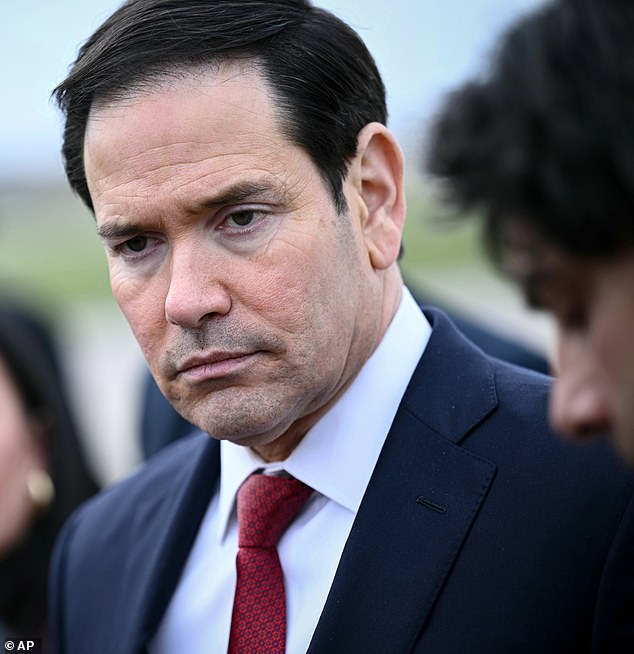
Mr. Rubio further emphasised that Washington’s objectives have been communicated with utmost clarity “from the very first night.” These objectives include the complete destruction of the Iranian navy and air force, and the significant dismantling of their missile launchers to prevent their use in the development of nuclear weapons.
However, this pronouncement appears to represent a notable divergence from Donald Trump’s earlier presented 15-point peace plan. Adding to the prevailing confusion, a closed-door classified briefing on Wednesday regarding the war’s objectives reportedly caused consternation among Republican lawmakers. One member was observed exiting the briefing visibly agitated, claiming to have been “misled.”
Speaking anonymously, this individual informed the Daily Mail that during the meeting, they were “told nukes were not a military objective,” despite this having been explicitly stated as a primary war aim. Furthermore, when questioned about the White House’s plans concerning a potential invasion, the response, though not divulged, was described as “jaw dropping” and capable of causing extreme shock. The White House has since denied these claims.
As Mr. Trump’s next strategic move remains unclear, German Foreign Minister Johann Wadephul suggested that the US and Iran are poised for a meeting in Pakistan “very soon.” Mr. Wadephul stated, “Based on my information, there has been indirect contact, and preparations have been made to meet directly.”
The conflict has exacted a significant toll on American forces, with over 300 US troops sustaining injuries, 13 losing their lives, and ten suffering serious wounds. Adding to the challenges, US forces have reportedly only managed to confirm the destruction of approximately one-third of Iran’s missile arsenal, according to sources speaking to Reuters. This figure starkly contrasts with President Trump’s public assertions that Iran possesses “very few rockets left” and that the US has “decimated” Iran’s military capabilities. Moreover, the US is experiencing “alarmingly low” levels of Tomahawk cruise missiles in the region, having expended over 850, as reported by the Wall Street Journal.
Iran’s influential speaker of parliament, Mohammad Ghalibaf, a figure considered crucial for potential negotiations, has openly criticised the US military build-up. He remarked, “How can the US, which can’t even protect its own soldiers at its bases in the region and instead leaves them stashed away in hotels and parks, protect them on our soil?”
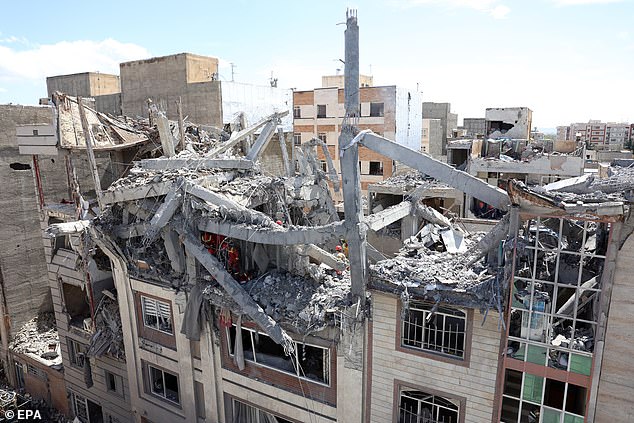
Meanwhile, Israel has declared its intention to “escalate and expand” its military operations. Following strikes on what it described as “the most central” site for targeting Iran’s naval munitions, the Israel Defense Forces (IDF) appear intent on weakening the regime’s blockade of the Strait of Hormuz. President Benjamin Netanyahu is reportedly strategising to lay the groundwork for an invasion aimed at reopening this vital shipping lane, through which approximately 20 per cent of global oil supplies transit.
Key Developments and Conflicting Narratives:
- US Objectives: Washington maintains it can achieve its goals in Iran without ground troops, focusing on naval and air force destruction and significantly degrading missile capabilities.
- Military Deployment: A substantial reinforcement of US troops, including 10,000 additional personnel, fighter jets, and armoured vehicles, is heading to the region.
- Geopolitical Concerns: Allies, like Poland, express concerns about potential escalation rather than stabilisation in the immediate future.
- Internal Discrepancies: Reports suggest confusion and disagreement within US political circles regarding the war’s objectives and potential invasion plans.
- Diplomatic Overtures: Hints of potential indirect and direct meetings between the US and Iran are surfacing.
- Human Cost: The conflict has resulted in significant casualties and injuries among US troops.
- Effectiveness of Strikes: Questions are being raised about the actual extent of damage inflicted on Iran’s military capabilities, with reports suggesting less than complete destruction of missile arsenals.
- Resource Depletion: The US is reportedly facing critically low levels of its Tomahawk cruise missiles.
- Iranian Response: Iranian officials have mocked the US military presence and its ability to protect its own forces.
- Israeli Involvement: Israel is intensifying its attacks, aiming to weaken Iran’s control over strategic waterways and potentially paving the way for an invasion.


