
Driverless Taxi Runs Red Light on Way to Royal Honour
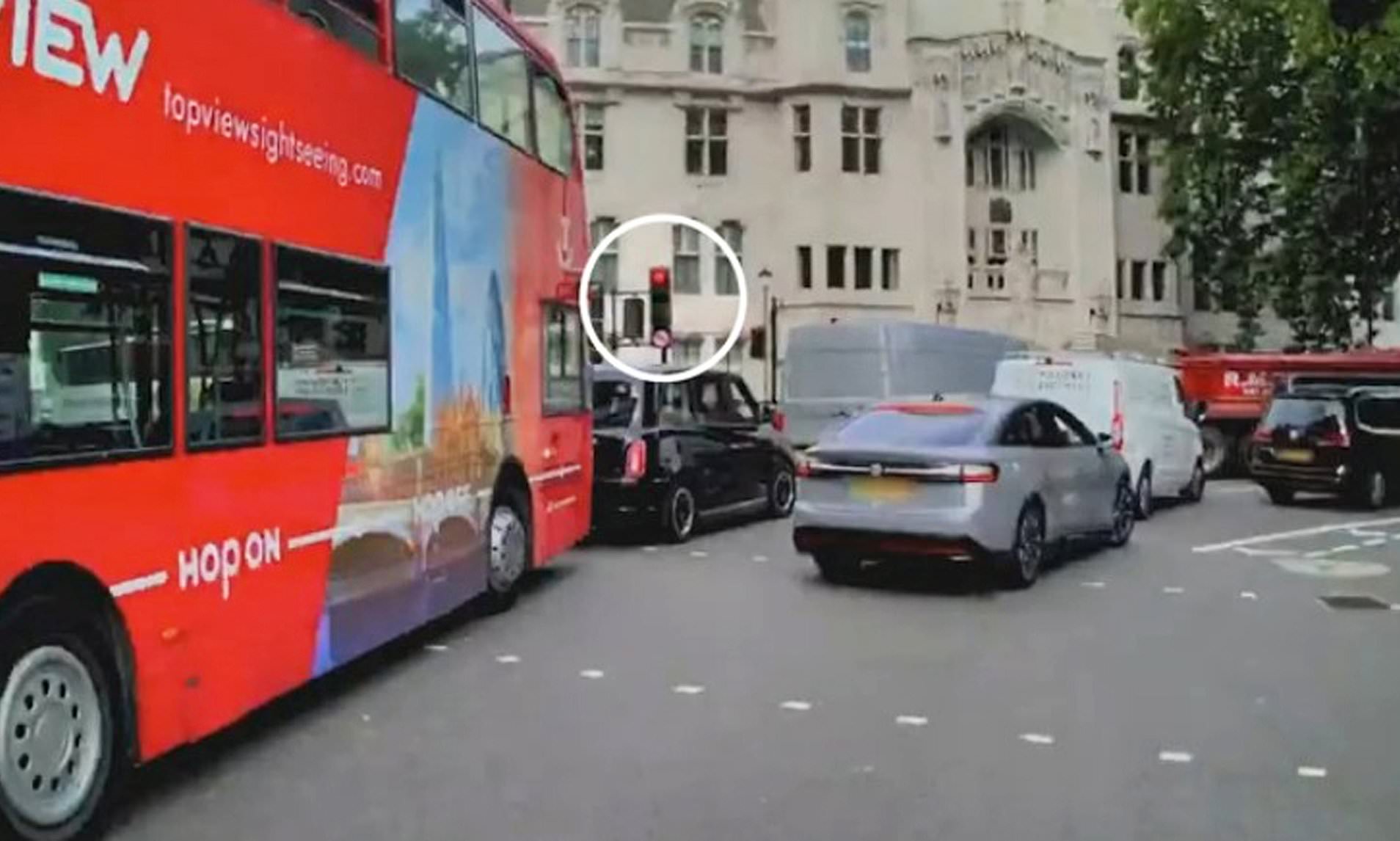
A cutting-edge driverless taxi, operated by the British start-up Wayve, was captured on dashcam footage running a red light in central London. The incident occurred as the company’s chief executive, Alex Kendall, was being chauffeured to Buckingham Palace to receive an OBE for his contributions to artificial intelligence.
Mr. Kendall himself shared the footage on social media, seemingly overlooking the traffic violation committed by his autonomous vehicle. He posted a photograph of himself receiving his Officer of the Order of the British Empire (OBE) from The Princess Royal, alongside the video of what he described as an “impressive drive without intervention.” This decision to share the video came after numerous requests from others eager to witness the autonomous journey to the Palace.
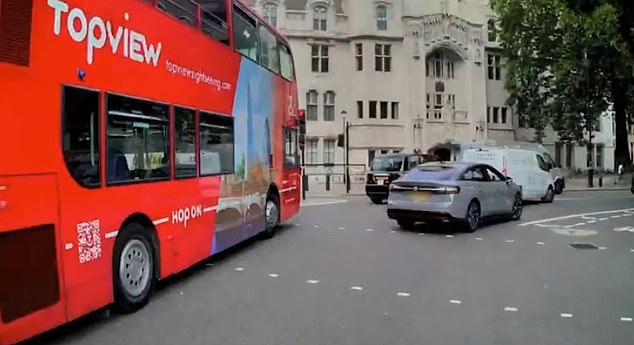
The dashcam footage documented the Wayve car’s route, which included passage through Victoria Embankment and Parliament Square. As the vehicle navigated the dense traffic near the south-west corner of Parliament Square, it came to a halt behind a white stop line. Observations from the video indicate that a bus, which had been preceding the Wayve car, was positioned across the stop line and had moved beyond it. This was due to the bus following slow-moving traffic towards the junction.
Subsequently, the traffic light controlling that particular approach to the junction turned from green to red. However, as the traffic congestion eased, both the bus and the Wayve car proceeded forward through the red signal. While this action is undeniably a breach of traffic regulations, the footage suggests it’s a manoeuvre that many human drivers might have executed in a similar gridlocked scenario.
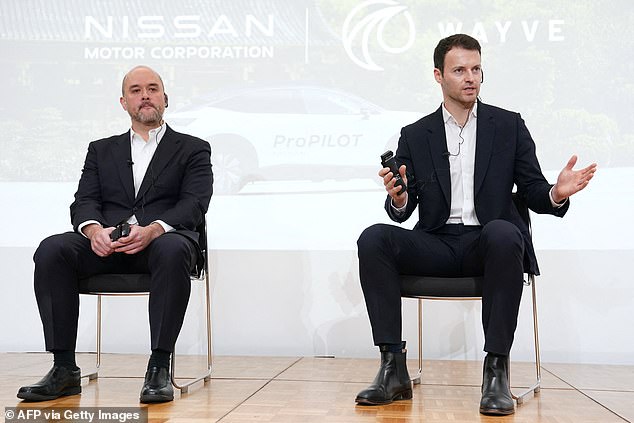
Following the public sharing of the footage, Wayve officially acknowledged that their vehicle had indeed run the red light. A spokesperson for the company stated that their vehicles are still in the “prototype” phase and that a thorough review of the incident would be conducted.
The spokesman elaborated that all journeys undertaken by these vehicles are monitored by “trained safety operators in the driver’s seat.” The company admitted, “We acknowledge that the more appropriate action would have been to manually take over the vehicle and keep it stationary until a green light was visible again.”
Running a red light is a serious motoring offence in the UK, typically resulting in a £100 fine and the imposition of three penalty points on a driver’s licence.
The incident has raised questions about the enforcement and accountability of autonomous vehicle operations on public roads. Steve McNamara, the general secretary of the Licensed Taxi Drivers’ Association, voiced concerns, highlighting the strict penalties faced by licensed taxi drivers in London. “London cabbies have their licences revoked at six points,” he stated. “Who is going to police these things and who is responsible for the points?”
Broader Implications and Potential Benefits of Autonomous Vehicles
This event unfolds against a backdrop of discussions surrounding the broader societal implications of driverless car technology. In a separate development, human rights lawyer Cherie Blair has suggested that autonomous vehicles could offer a lifeline to women attempting to escape abusive relationships.
Ms. Blair, speaking to The Mail on Sunday, posited that driverless cars could mitigate risks for these individuals, noting that “male drivers can be a risk for women.” As an ambassador for the Refuge charity, she expressed optimism that the technology could be “integrated with domestic abuse charities” to provide a safer means of escape. This perspective highlights the potential for driverless technology to address complex social issues, offering a stark contrast to the immediate concerns raised by the red-light incident.
The incident involving Wayve’s vehicle serves as a potent reminder of the challenges and ongoing development required for fully autonomous driving systems. While the technology promises significant advancements in transportation and potentially in social welfare, rigorous testing, robust safety protocols, and clear regulatory frameworks are paramount to ensure public safety and trust. The company’s commitment to a review and the acknowledgment of the need for manual intervention underscore the current stage of development and the learning process inherent in deploying such innovative technology on public roads. The journey towards widespread adoption of driverless cars is clearly one that will involve continuous refinement and a keen eye on both technological capability and regulatory compliance.


