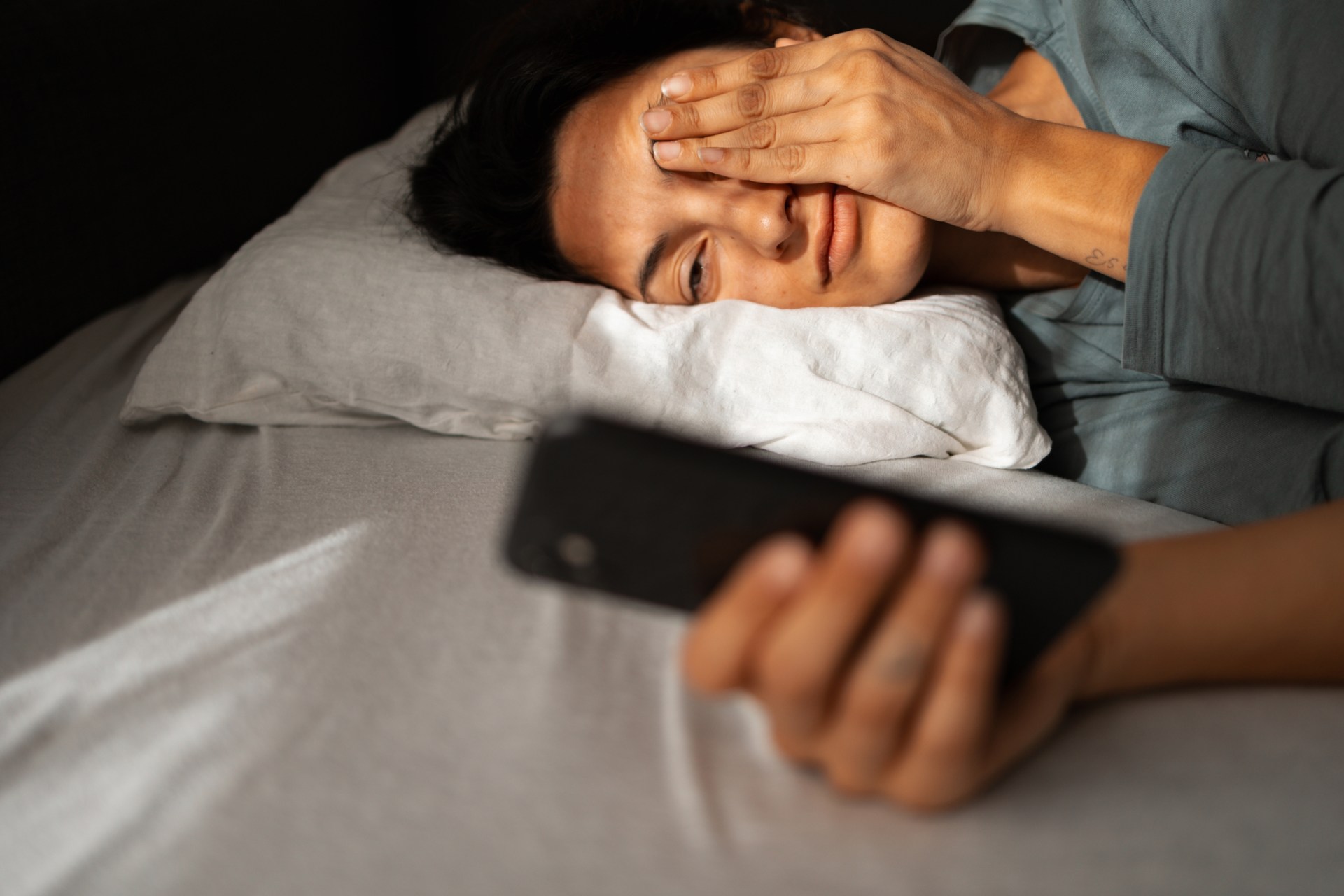
The Stark Reality: Insufficient Sleep Could Be Shaving Years Off Your Life
Waking up feeling groggy is often the immediate, and seemingly only, consequence of a late night. However, recent research has unveiled a far more profound and concerning implication of skimping on sleep: it could be significantly shortening our lifespans. A groundbreaking study from Oregon Health & Science University (OSHU) has revealed that consistently getting less than seven hours of sleep per night is a major factor linked to premature death, potentially even more so than diet, exercise, or even loneliness.
This eye-opening research, which analysed data from a nationwide health habits survey conducted by the Centers for Disease Control and Prevention in the US, compared respondents’ self-reported sleep patterns with the life expectancy data in their respective regions. The findings were stark: after accounting for lifestyle factors like smoking, insufficient sleep emerged as the most significant correlate with dying younger. This adds a chilling, literal interpretation to the common adage, “you can sleep when you’re dead.”
Andrew McHill, Ph.D., a senior author of the study and an associate professor at OSHU, expressed his surprise at the strength of the correlation. “I didn’t expect it to be so strongly correlated to life expectancy,” he commented. “We’ve always thought sleep is important, but this research really drives that point home: people really should strive to get seven to nine hours of sleep if at all possible.”
Unpacking the Research: A Deeper Look at Sleep and Longevity
The study, which was published in the esteemed journal SLEEP Advances, is notable for being the first to establish year-by-year links between sleep duration and life expectancy across every state in the US. This granular approach allows for the identification of specific regions where the relationship between sleep and longevity deviates from the norm. Such outliers can then become focal points for future investigations, potentially unlocking the precise mechanisms that tie these two critical aspects of health so closely together.
McHill described the findings as “remarkable.” As a sleep psychologist with a deep understanding of the health impacts of poor rest, he admitted that seeing these effects materialise so powerfully in the data across various models was still “striking.”
While the scientific community continues to delve deeper into the intricacies of sleep and its long-term effects, this study serves as a powerful reminder of its fundamental importance. McHill emphasised that prioritising sleep should be given at least the same weight as we do to our dietary choices or exercise routines. “Sometimes, we think of sleep as something we can set aside and maybe put off until later or on the weekend,” he explained. “Getting a good night’s sleep will improve how you feel but also how long you live.”
How Much Sleep Do You Really Need?
The National Health Service (NHS) in the UK, for instance, recommends that adults aim for seven to nine hours of sleep per night. However, the ideal amount is not a one-size-fits-all prescription and can vary significantly based on several factors, with age being a primary determinant.
- Infants (under 12 months): Guidelines suggest around 12-16 hours of sleep.
- School-aged children: Require approximately 9-12 hours of sleep.
- Adults: The general recommendation is 7-9 hours.
- Older adults (over 65): Typically need 7-8 hours of sleep.
Dr. Neil Stanley, a renowned sleep researcher, has previously highlighted that individual sleep needs are akin to height – largely genetically determined and thus inherently unique. He noted that while a range of four to eleven hours can be considered normal for different individuals, even a deficit of just one hour per night below one’s personal requirement can have measurable negative consequences on both physical and mental well-being.
Given the profound potential health implications illuminated by the OSHU study, making a concerted effort to achieve at least the seven-hour minimum is a sensible health goal. However, if consistently hitting this target proves challenging, Dr. Stanley advises paying close attention to your own body’s signals. Persistent feelings of tiredness throughout the day are a definitive indicator that you are not getting enough restorative sleep.