Starlink Blockade Fuels Ukrainian Territorial Gains on the Battlefield
The global spotlight is on the evolving dynamics of the conflict in Ukraine, with recent reports indicating a significant territorial recovery by Ukrainian forces. Analysts are attributing a portion of this success to a pivotal decision made by SpaceX, the world’s largest private aerospace company, to block the Russian military’s unauthorized use of its Starlink satellite internet service.
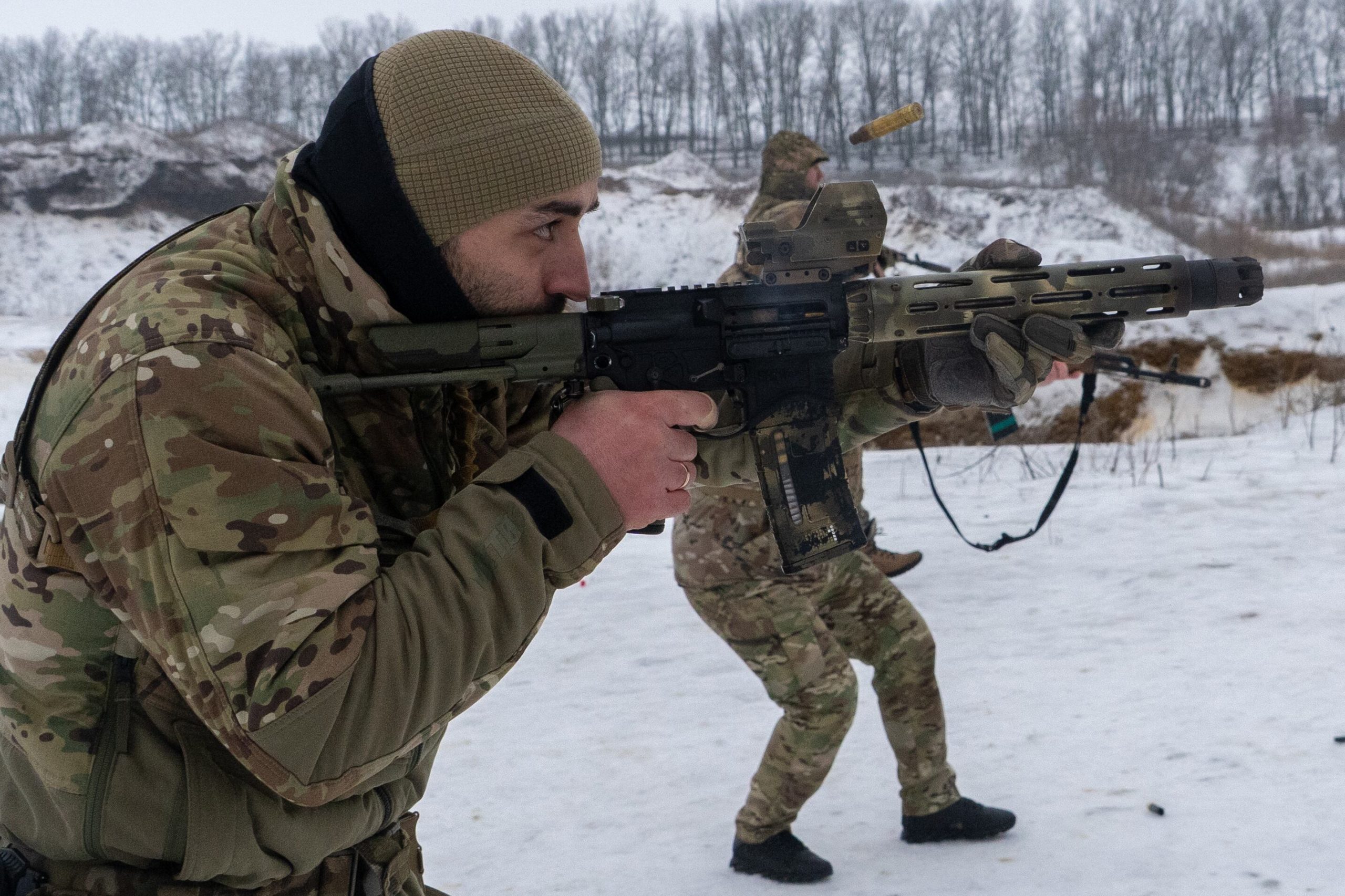
Between February 11th and 15th, Ukrainian troops reportedly recaptured approximately 201 square kilometers of territory near the southern frontline city of Zaporizhzhia. This substantial gain is being hailed as Ukraine’s largest territorial recovery in the shortest period since June 2023, a feat that rivals the territory Russia occupied over a month last December.
The impact of SpaceX’s intervention on the battlefield cannot be understated. Starlink, with its constellation of over 9,000 low-orbit satellites, has become an indispensable communication tool for Ukraine. Its advantages lie in its high-speed connectivity, robust data transmission capabilities, remarkable stability, precision, and a notable resistance to jamming – crucial attributes in the chaotic environment of modern warfare.
The Strategic Advantage of Starlink
The effectiveness of Starlink in the Ukrainian context has been well-documented. It has enabled critical command and control functions, facilitated real-time intelligence sharing, and supported the operational efficiency of Ukrainian forces. The ability to maintain reliable communication, even in contested areas, provides a significant strategic advantage.
Moreover, the technology proved to be a double-edged sword. It was discovered that some Russian drones were equipped with Starlink terminals, allowing them to conduct real-time strikes while circumventing jamming efforts. This exploitation highlighted the potential for Starlink’s technology to be used by both sides, making SpaceX’s intervention all the more significant.
While the Russian military possesses its own satellite communication infrastructure, it is reportedly hampered by limitations in coverage and data-processing capabilities, making Starlink a vital, albeit unauthorized, supplement.
SpaceX’s Countermeasures and Their Impact
In response to the unauthorized use, SpaceX implemented a re-verification process for all terminals operating within Ukrainian territory at the beginning of the month. This measure aimed to ensure that only devices registered on an approved “white list” would remain active. Furthermore, terminals detected moving at speeds exceeding 90 km/h were systematically disabled, a clear indication that the service was being repurposed for military movement and operations beyond its intended civilian scope.
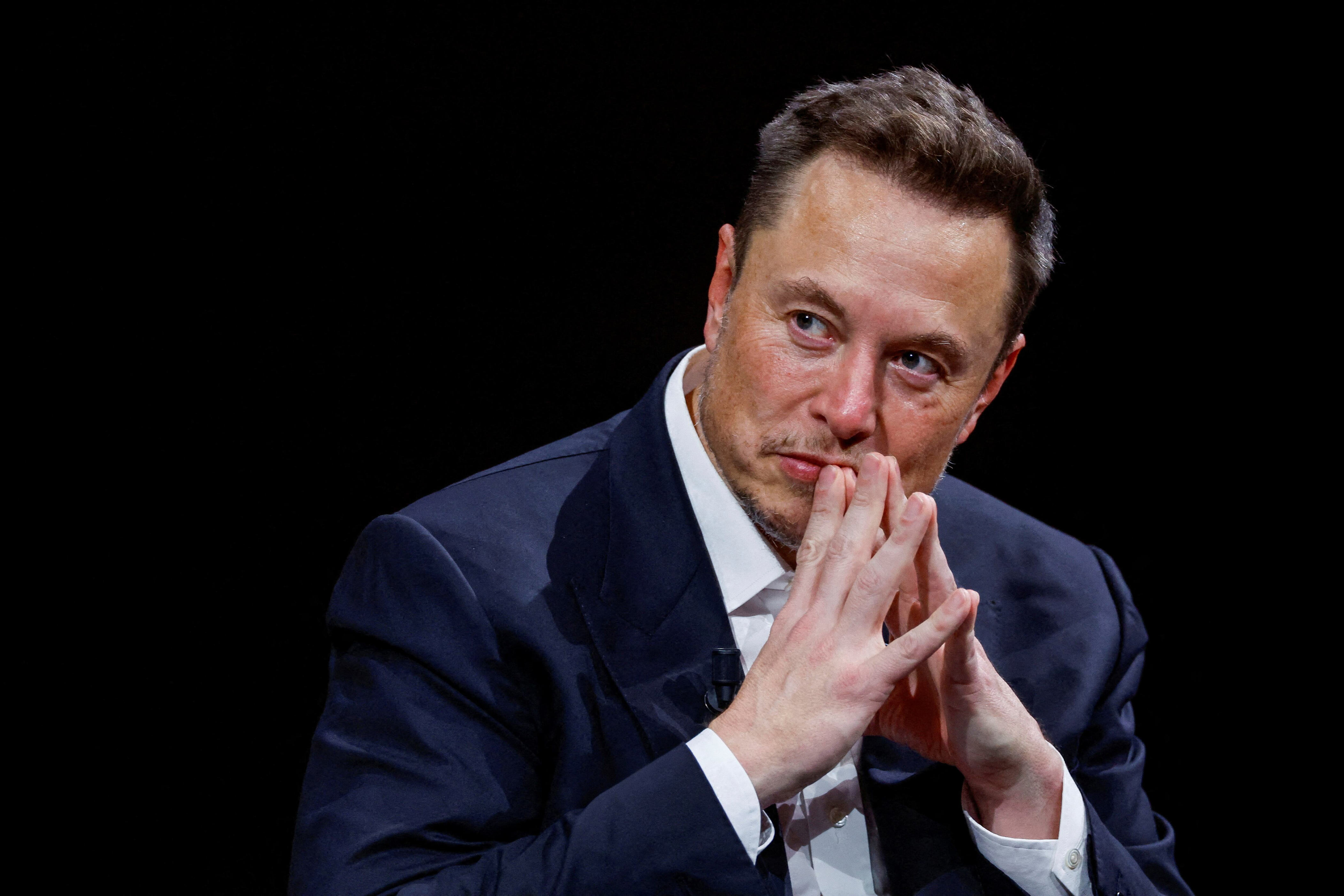
Elon Musk, the CEO of SpaceX, alluded to the effectiveness of these measures on X (formerly Twitter) on the 1st of the month, stating, “The measures taken to prevent Russia’s unauthorized use of Starlink seem to have been effective.”
Illicit Acquisition and Communication Disruptions
Despite Western sanctions officially prohibiting the export of Starlink terminals to Russia, reports suggest that Russian forces managed to acquire thousands of these devices through illicit channels. These channels reportedly included the use of forged documents and procurement via third countries, such as the United Arab Emirates (UAE).
Following SpaceX’s blockade, confusion and disruptions were reportedly observed within Russian military communications. Claims of interference with some of their command systems have also emerged, suggesting a tangible impact on their operational capabilities.
Diplomatic Victory for Ukraine
The diplomatic efforts behind SpaceX’s decision are also noteworthy. Ukraine’s newly appointed Defense Minister, Mykhailo Fedorov, is widely credited with persuading SpaceX to take this decisive action. Lieutenant General Ihor Romanenko, former deputy commander of the Ukrainian military, commented to Al Jazeera that Fedorov “somehow resolved the issue with Musk. It’s something we couldn’t solve before.”
The Guardian newspaper analyzed the situation, framing it as a significant victory for Fedorov, particularly considering Musk’s past hesitations regarding deep involvement in the Ukraine conflict and his occasional pro-Moscow remarks. This development underscores the importance of persistent and effective diplomatic engagement in leveraging technological resources for strategic advantage.