The Police’s Streaming Royalties Dispute: Sting Faces Multi-Million Dollar Claim from Former Bandmates
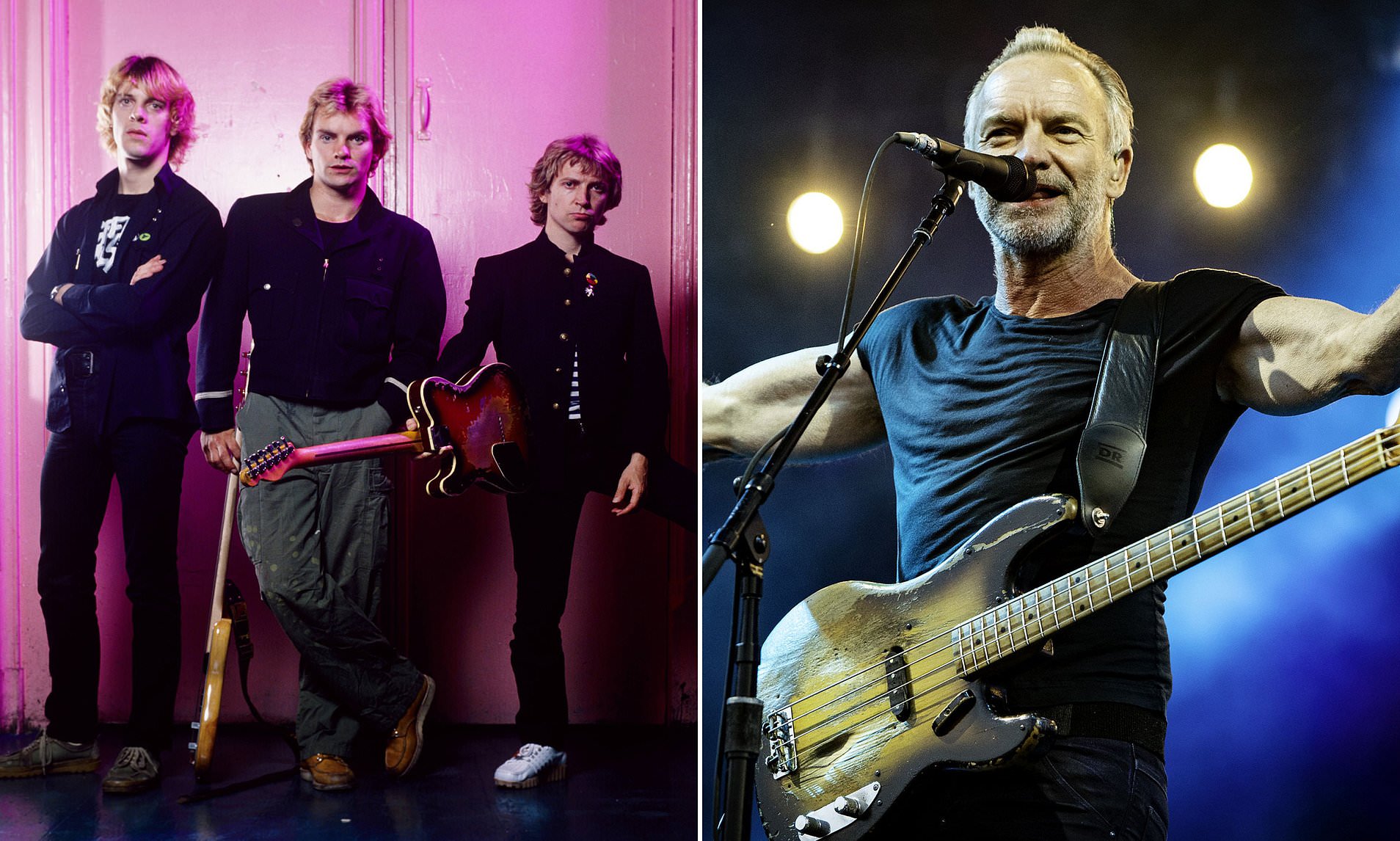
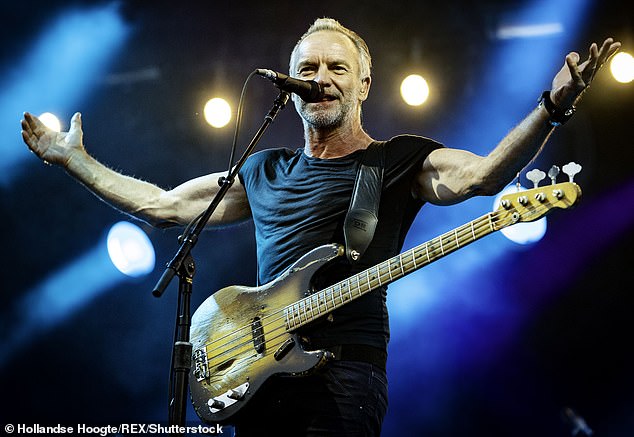
A significant legal battle has erupted in London’s High Court, pitting Sting, the iconic frontman of The Police, against his former bandmates, drummer Stewart Copeland and guitarist Andy Summers. The core of the dispute revolves around the interpretation of agreements concerning ‘arranger’s fees’ and how they apply to modern music streaming royalties, a revenue stream that has become a dominant force in the industry.
Sting, whose real name is Gordon Sumner, is reportedly being pursued for over $2 million (£1.49 million) in unpaid fees. The claim, brought by Copeland and Summers, along with their respective companies, centres on a long-standing arrangement where songwriters within the band would allocate 15 per cent of their publishing income to the other two members as arranger’s fees. This arrangement, established during the band’s formative years in the late 1970s, is now the subject of intense legal scrutiny.
The Heart of the Legal Conflict: Streaming vs. Physical Sales
The crux of Sting’s defence, as presented by his legal counsel, is that the arranger’s fee agreement was intended to cover income from physical music formats, such as vinyl records and cassettes, which were prevalent during the band’s initial rise to fame. His legal team argues that this arrangement does not extend to the digital realm of music streaming, a sector that generates substantial income in the contemporary music landscape.
Conversely, Copeland and Summers maintain that the 15 per cent arranger’s fee applies to all forms of publishing income, including that derived from streaming services. Their legal representatives contend that a settlement agreement reached in 2016, which was professionally drafted, supports their interpretation, entitling them to a share of all publishing revenue generated from “all manner of commercial exploitation.”
Financial Stakes and Admitted Underpayments
The financial implications of this dispute are considerable. Sting is believed to be a significant earner from The Police’s extensive catalogue, with the band’s global smash hit “Every Breath You Take” alone reportedly generating an estimated £550,000 annually in royalties. Notably, neither Copeland nor Summers received songwriting credits for this particular track, a detail that likely adds another layer of complexity to the royalty discussions.
While Sting disputes the broader claim, it has been disclosed in court that he has already paid out more than $800,000 (£595,000) in “certain admitted historic underpayments” since the legal action commenced in late 2024. This suggests that even Sting acknowledges some degree of past financial discrepancies, though the extent and nature of these underpayments are clearly part of the ongoing legal debate.
A Look at The Police’s Storied History
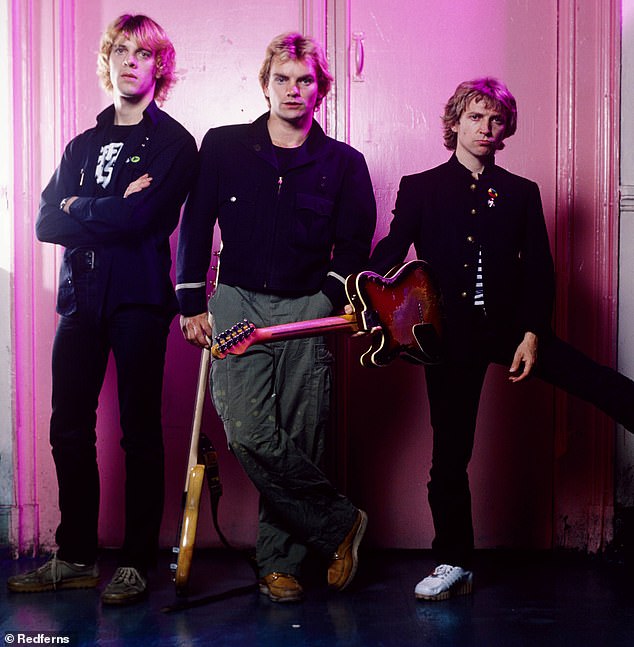
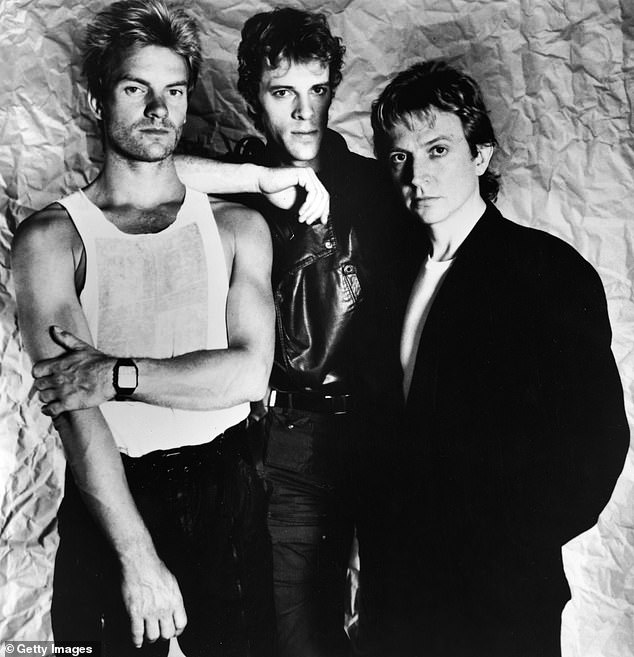
The Police, formed in London in 1977, rose to international superstardom with their distinctive blend of rock, reggae, and new wave. Their second album, “Reggatta de Blanc,” was the first of four consecutive albums to top the UK charts. The band achieved considerable commercial success, securing five UK number one singles and a US number one with the iconic “Every Breath You Take.”
Despite their immense success, the internal dynamics of The Police were reportedly fraught with tension. Sting himself has previously described the band as never being a “tribe,” highlighting a persistent power struggle and a clash of strong personalities. This internal friction was often played out publicly, with band members engaging in “back-handed jokes” and airing their grievances even during interviews and studio sessions. The recording of their fifth and final studio album, “Synchronicity,” was particularly acrimonious, with instances of in-fighting leading to members recording parts of songs in separate rooms.
The Reunion Tour: A Lucrative Interlude
The band officially disbanded after their last tour concluded in 1984, leaving fans without a formal farewell. However, The Police surprised the music world with a highly successful Reunion Tour that spanned from 2007 to 2008. This extensive tour, comprising 151 dates across the globe, reportedly generated a staggering £292 million for the band. Guitarist Andy Summers has spoken of the tour’s immense financial rewards, stating in 2022 that he earned approximately $1 million per night and believed he was the highest-paid guitarist in the world during that period. He described the reunion as a “giant pay-off for all of us.”
The Ongoing Legal Proceedings
The current legal proceedings, presided over by Mr. Justice Bright, are expected to continue, with a trial scheduled for a later date. The High Court is currently focused on preliminary hearings to clarify the interpretation of key contractual phrases such as “mechanical income” and “public performance fees” in the context of streaming. The outcome of this dispute could have significant implications for how royalties are distributed in the digital age and may shed further light on the enduring complexities of the music industry and the financial relationships within legendary bands.