Youth Gatherings Spark Concern: Arrests, Curfews, and the Digital Age
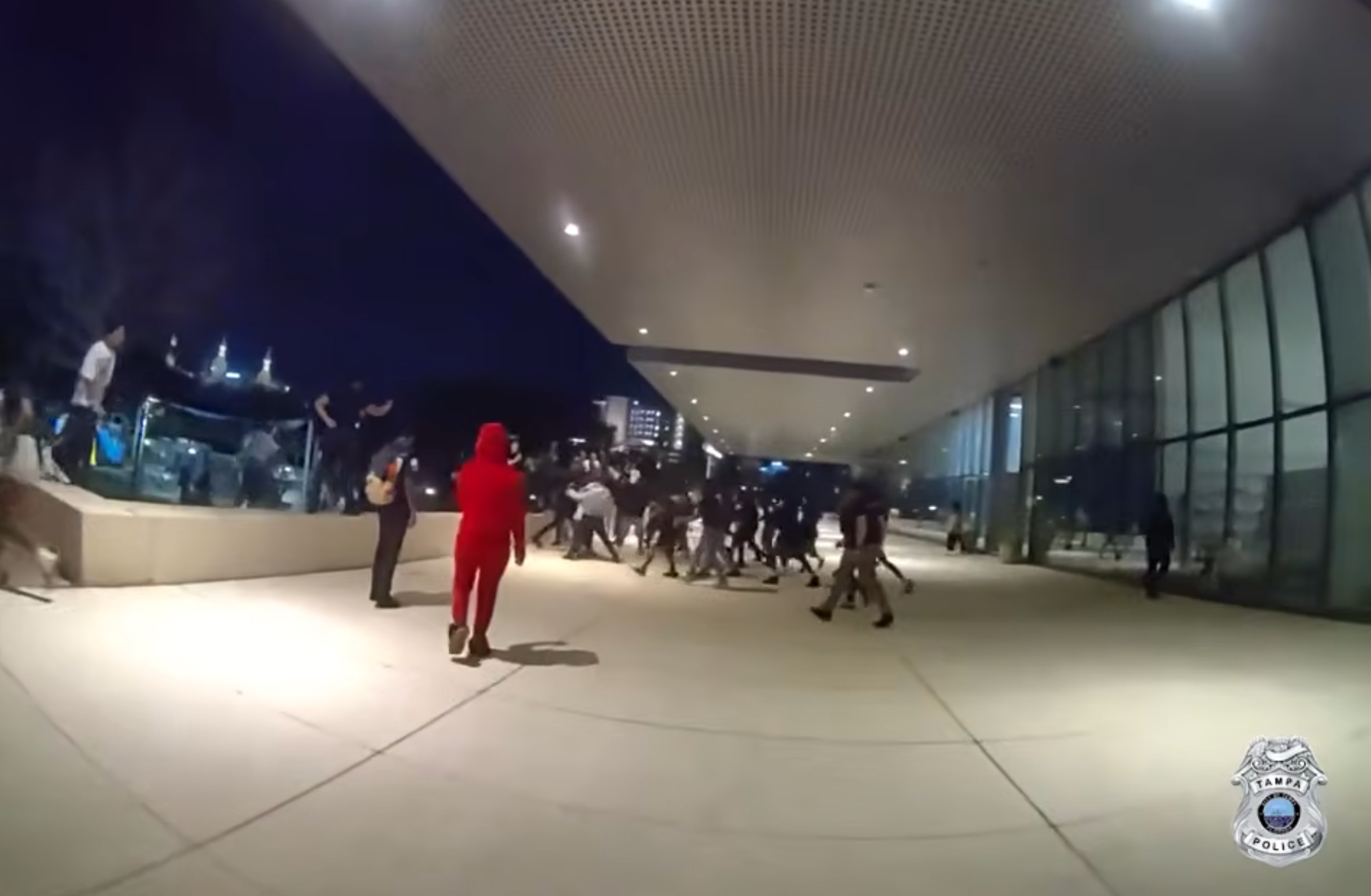
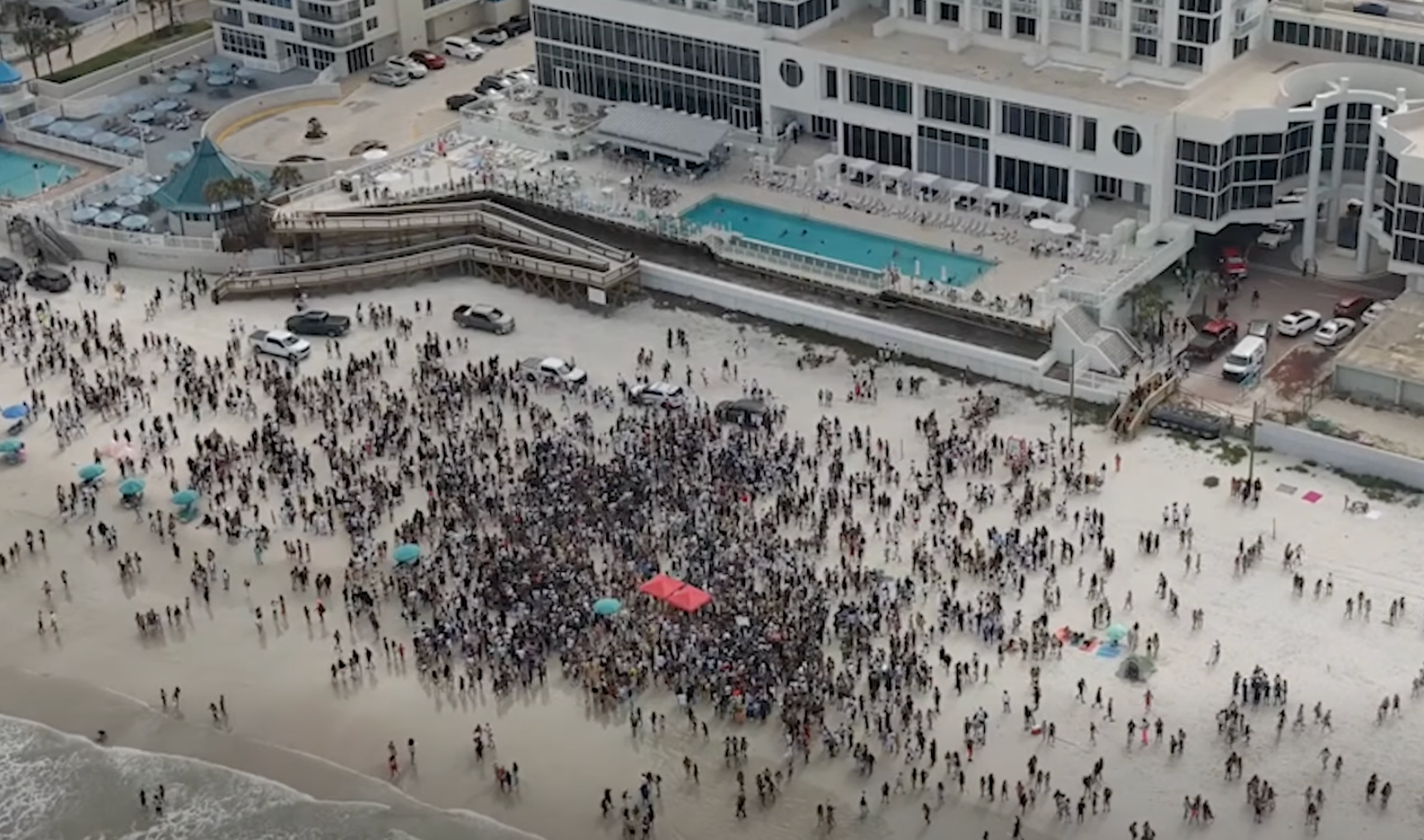
Across the nation, a wave of unsanctioned public gatherings, often dubbed “teen takeovers,” has prompted a range of official responses, from arrests and curfews to threats of parental prosecution. While authorities grapple with the escalating violence associated with some of these events, questions linger about the effectiveness of current measures in stemming a trend amplified by social media.
The recent Memorial Day weekend starkly illustrated the potential for these gatherings to turn dangerous. In Chicago, just three blocks from a teen takeover at 57th Street Beach, three young men were wounded in a shooting. Earlier that same weekend, five police officers were injured when an 18-year-old motorist allegedly drove into them while they were attempting to disperse a large post-prom event. This latter incident drew national attention, with then-President Donald Trump publicly criticising Illinois Governor JB Pritzker and Chicago Mayor Brandon Johnson, urging them to “call for help!”
Experts suggest that law enforcement agencies nationwide must prepare for these increasingly common events. Michael Alcazar, an adjunct professor at CUNY’s John Jay College of Criminal Justice and a retired NYPD detective, notes that these gatherings are often promoted online through visually striking posters, some created using artificial intelligence. “These teen meetups aren’t going away because social media isn’t going away,” Alcazar stated. He further explained that while many participants are simply “good kids having a good time,” they can succumb to “mob mentality” and a sense of impunity.
The Social Media Multiplier Effect
The role of social media in these events is undeniable. Florida State University sociology professor Deana Rohlinger explains that contemporary social platforms heavily reward visibility, spectacle, and virality. “That can create incentives for escalation because attention itself becomes a resource, and events can acquire momentum well beyond their original organisers or intentions,” she observed.
However, some experts argue that the sensationalism surrounding these events may be overshadowing the reality. Kristin Henning, director of the Juvenile Justice Clinic and Initiative at Georgetown Law, told National Public Radio that viral videos of violence can lead to a “bad rap” for all participants. “The reality is, in so many of these instances, we are sensationalising teenagers, often lower-income children of colour, who are taking over, if you will, or visiting gentrified neighbourhoods,” Henning said. “The focus becomes on the delinquent or criminal activity that takes place.”
A Pattern of Disruption
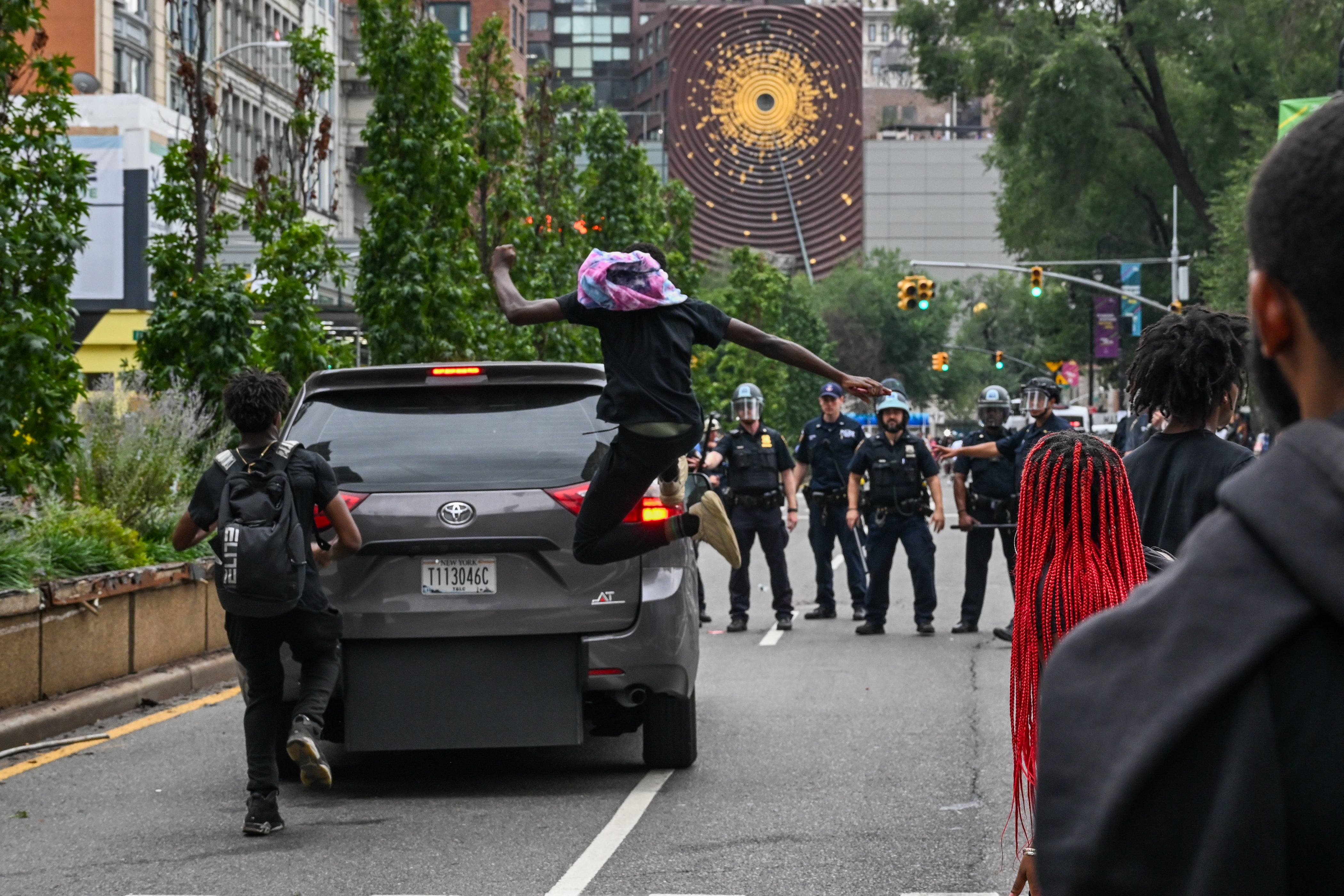
The images of large groups of teenagers congregating in public spaces have become commonplace on social media and news reports. While some depict joyous celebrations, others highlight scenes of chaos. Authorities are increasingly speaking out about their efforts to manage and deter these gatherings.
In New Hampshire, a “Hampton Beach Takeover,” advertised on social media and attracting thousands, led to 51 arrests on charges including riot, assault, and unlawful alcohol possession. Hampton Police Chief Alex Reno indicated that organisers had been identified and faced potential arrest, a move legal analyst Jennifer Roman described as an “aggressive move” that “would certainly send a message.” This incident occurred just days after an estimated 500 teens descended on downtown Detroit, resulting in a “large brawl” and a shooting that wounded a 14-year-old.
Darious Morris, a member of Detroit’s civilian Board of Police Commissioners, commented that these “teen takeovers” have become a national trend driven by the pursuit of “views and social media clout,” often at the expense of public safety, city resources, and local businesses.
Officials in other cities have implemented strict measures. Long Branch, New Jersey, imposed an 8 p.m. curfew and advised residents to seek shelter after hundreds of young people swarmed the town’s Pier Village, with some videos capturing individuals jumping on a car. In Washington, D.C., outgoing Mayor Muriel Bowser declared a public emergency and enforced a 15-day curfew banning groups of nine or more youths under 18, following a violent incident at a Chipotle restaurant that involved furniture being thrown and an assault with a chair.
U.S. Attorney Jeanine Pirro vowed to hold parents accountable, stating, “Starting now, parents, you’re paying the bill, and if you know where your teen is and what your teen is doing and you allow them to continue their conduct… then we’re going to prosecute you.” In Chicago, aldermen are reportedly drafting an ordinance to allow police to charge parents with contributing to the delinquency of a minor if their children violate an existing curfew.
Historical Parallels and Psychological Factors
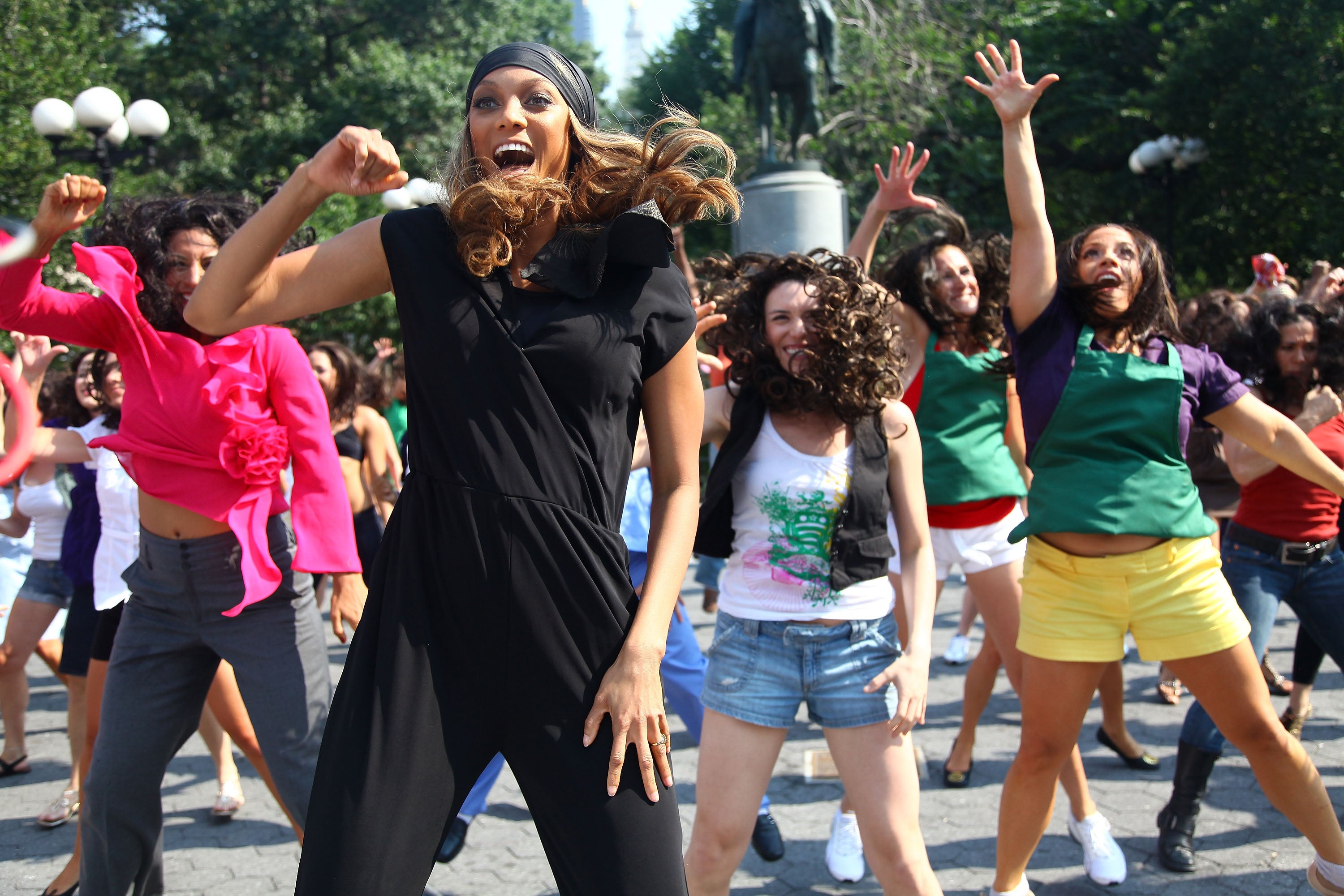
The phenomenon of large, digitally-enabled youth gatherings is not entirely new. Rohlinger draws parallels to the “flash mobs” of the 2000s and early 2010s, noting that while flash mobs were often framed as playful, they could also involve disruption and violence. “What appears different today is less the existence of conflict and more the surrounding media environment,” she stated.
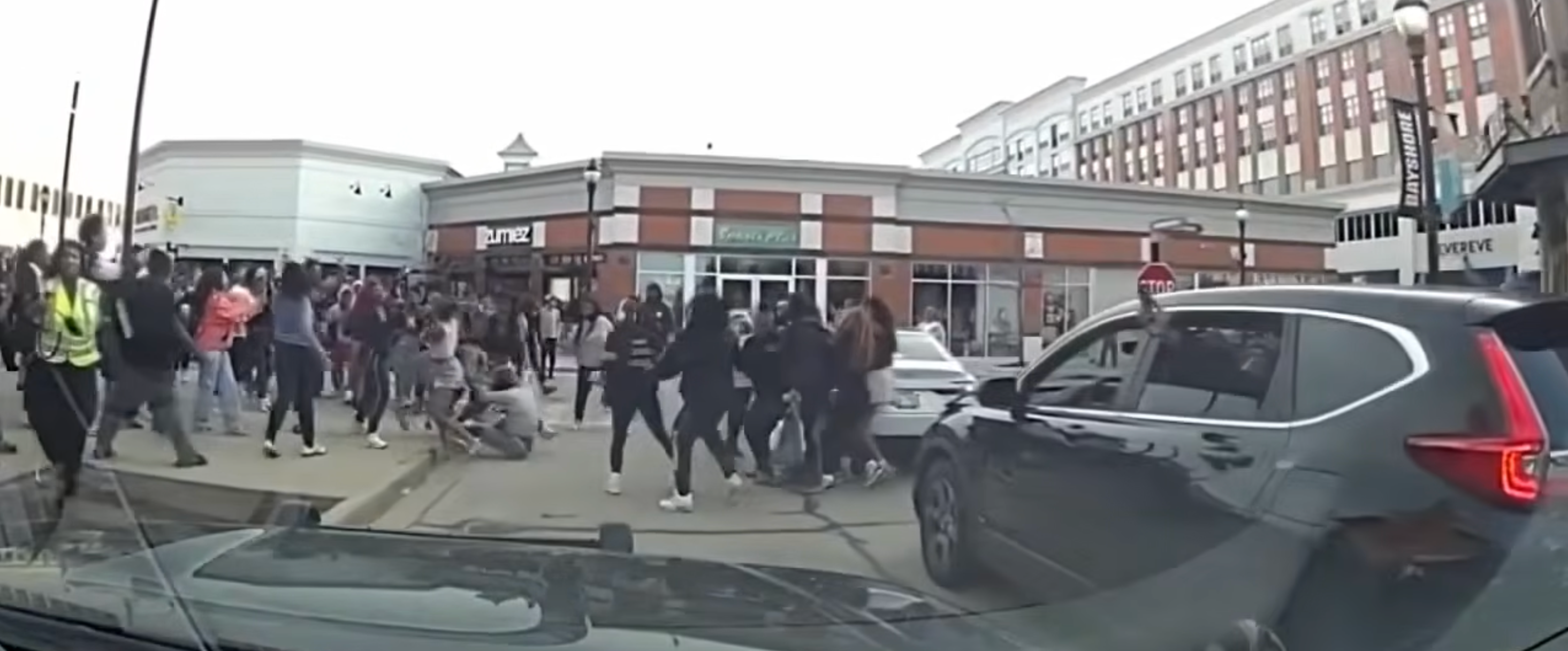
Psychological factors also play a significant role. Mark Leary, Professor Emeritus of Psychology at Duke University, points to “deindividuation” as a contributing factor to the violence seen in some takeovers. He explains that in large groups, individuals can feel anonymous, leading them to engage in behaviours they wouldn’t otherwise, often performing for their peers. “The norms say: Hey, you’re a teenager, get out there and raise some hell,” Leary observed.
Furthermore, the developing adolescent brain, particularly the prefrontal cortex responsible for self-regulation, is not fully mature until around age 25. This can lead to reduced consideration of consequences and challenges with self-control.
Addressing the Root Causes
Some experts suggest that providing more positive outlets for young people could be a crucial part of the solution. Benjamin Shirtcliff, head of the Landscape Architecture Department at the University of Oregon, argues that teens are often excluded from public spaces due to prohibitions on activities like skateboarding. “Teens prefer to play in public spaces where other people also want to be. This isn’t shocking science,” he said. “Take away all the fun and they will make their own, regardless of risk.” He advocates for creating spaces where young people can build their own communities and engage in constructive activities.
Shirtcliff also cautions against an overly aggressive law enforcement response, warning that “violence from authority and enforcement will unnecessarily cost human lives.” He suggests looking at successful crowd-control strategies, such as those employed during Mardi Gras in New Orleans, as models for de-escalation.
The challenge of managing these youth gatherings is complex, involving a confluence of social media trends, adolescent psychology, and the availability of safe, engaging public spaces. Finding effective solutions will likely require a multi-faceted approach that addresses both the immediate concerns of public safety and the underlying factors that contribute to these events.