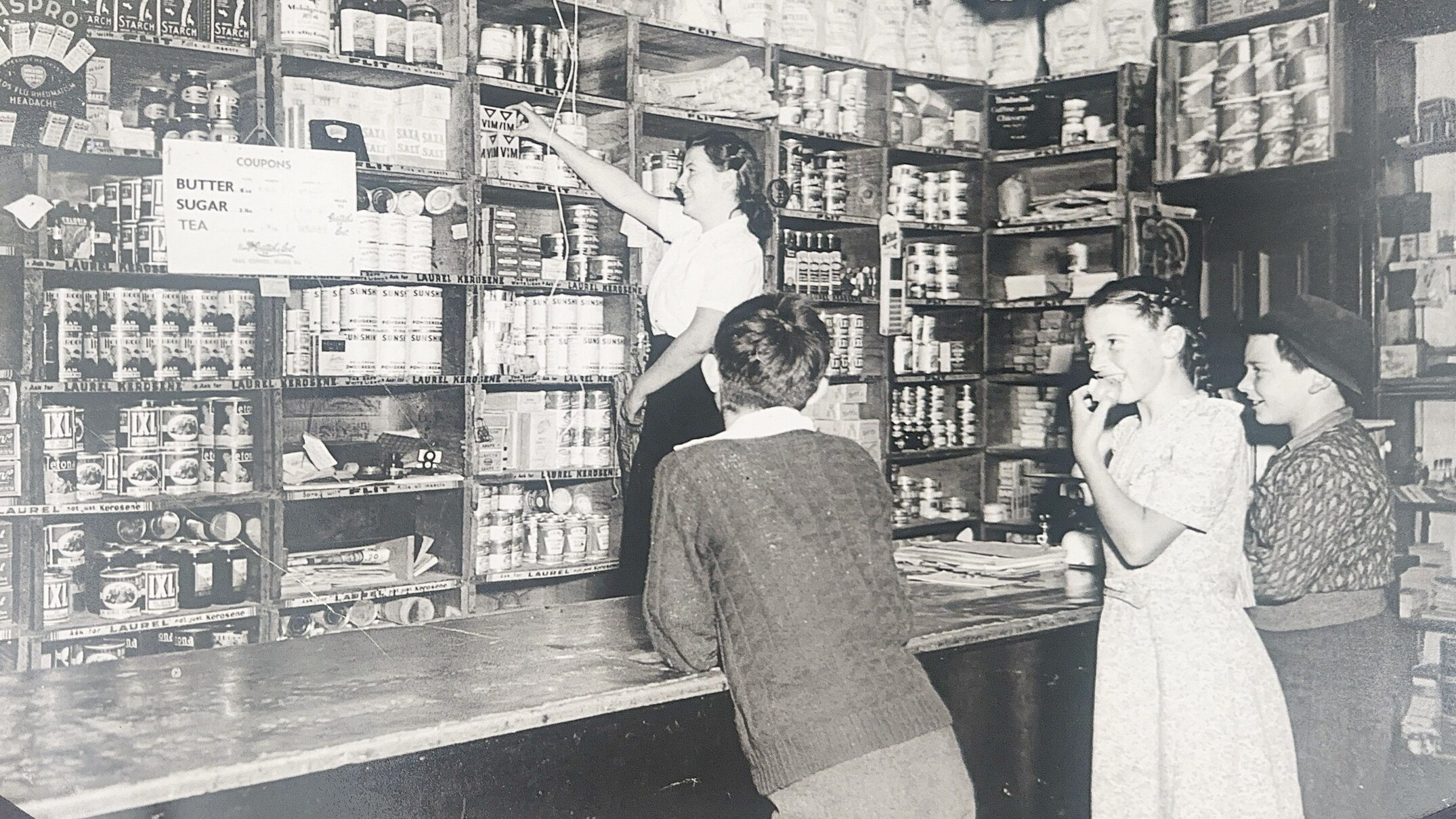
Nestled on the banks of the Murrumbidgee River, a mere 40 kilometres south of Canberra, stands a venerable weatherboard building that has weathered over a century of challenges. This iconic structure, the Tharwa General Store, has served as more than just a commercial enterprise; it’s been a vital community nexus, a post office, a mechanic’s garage, a fuel station, a sweet shop, a local watering hole, and, most importantly, a gathering place for generations. For 100 years, the Jeffery family has been at the helm, a remarkable stewardship that is now drawing to a close. After three generations of supplying the region with virtually everything imaginable, the Jefferys are now selling the property, passing the torch to new custodians.
“There comes a point where the family can’t sustain it any longer, and we’d love to see someone else take the reins,” explains current owner Kevin Jeffery.
A Historic Crossroads
Tharwa itself holds the distinction of being the oldest officially recognised settlement within the Australian Capital Territory, proclaimed way back in 1862. Kevin elaborates on the town’s origins: “Tharwa was always intended as a trading post. The very concept of Tharwa was as a river crossing in the late 1800s, connecting Queanbeyan with the mountain regions. This naturally positioned it as a local trading hub for the community.”
The current weatherboard buildings of the store have stood since 1922. Kevin recalls that they were transported to the site, likely salvaged from construction areas in Canberra’s early development. “I’m not entirely sure how they managed it, but they were definitely brought out here,” he says.
Three Generations of the Jeffery Family
The story of the Tharwa General Store is inextricably linked to the Jeffery family. Clarrie Jeffery and his wife, Ruby, purchased the store in 1926. Operating amidst a landscape of farms, they became the go-to source for the small rural community, stocking an extensive range of goods. This included not only everyday groceries but also essential farm supplies like grain, hay, and salt blocks for livestock, along with petrol. For the younger generation, it was also the place to snag a penny lolly, and a mechanic’s workshop even operated out of the back shed.
“We had quite a diverse inventory,” Kevin remembers. “We used to handle the lunch orders for the local school. When the kids would arrive in the morning, they’d bring their bags and their money. There was a primary school here, but the older children would travel by bus to inner Canberra for high school. That bus would stop right here at the end of its journey home, and the kids would flood into the shop for sweets and ice creams.”
The mantle of ownership passed to Kevin’s father, Valantine, in 1948, following the passing of his father, Clarrie. Valantine went on to manage the store for over seven decades, becoming a deeply respected figure in the community. He was instrumental in preserving the area’s rural character, advocating tirelessly for the retention of its primary school, its bridge, and its unique identity on the fringes of a rapidly expanding capital.
Over the years, developers frequently approached the family, recognising the prime location and potential of the picturesque property. However, the community’s sentiment, championed by Valantine, was clear. “The community didn’t want it,” Kevin states, adding that his father’s priorities were firmly set: “Dad preferred community over profit, which I think is admirable.” This dedication to community over commercial gain resonates with the experiences of many who grew up in rural Australia, where general stores often provided far more than just goods for sale.
Building and Sustaining a Community
Kevin fondly describes his father as a man with a profound sense of responsibility towards those around him. “Wherever he could, he would look for ways to improve community life,” he says. “But he truly loved the shop because it was a place where people could connect and chat; he just adored the atmosphere.”
Valantine’s commitment to service extended far beyond the shop floor. In 2016, at the age of 81, he was elected to the ACT Legislative Assembly, making him the oldest member ever to serve in that chamber. Prior to his brief political career, he dedicated 38 years as captain of the local bushfire brigade and was a vocal advocate for improvements to the ACT’s fire response protocols, particularly after the devastating fires of 2003. Valantine passed away in 2017. Kevin then took over the management of the store, continuing his father’s legacy.
The Hub and the Off-Licence Pub
The Tharwa General Store’s role as a community hub is evident in the daily rhythm of activity. Locals regularly drop in to collect parcels, purchase a cold beer, or submit their entries for the long-standing weekly footy tipping competition. “This is the start of the busy afternoon period,” Kevin observes, noting the steady flow of familiar faces. “Packages, footy tips.” As an off-licence, it also serves as a vital meeting point in a town that no longer has a traditional pub.
With Canberra’s urban sprawl inching closer to Tharwa, the community’s needs have evolved. It’s become a more dynamic, two-way relationship, with day-trippers increasingly visiting the area for recreation. “The road between Cotter and Tidbinbilla and Tharwa is actually renowned across Australia for motorbike riding,” Kevin notes. “We get a significant number of local motorbike enthusiasts who visit here multiple times a week, stopping for a coffee and a doughnut or a beer.”
Through Fire, Flood, and Drought
The store’s facade has been a constant backdrop for community gatherings and a point of refuge during bushfires, proving its resilience. The small village has faced numerous trials over the years. The 2003 Canberra bushfires came perilously close to Tharwa’s edge, and floods have periodically cut the community off from the outside world. The Tharwa Bridge, a crucial link, was closed in 2006 due to safety concerns and remained largely inaccessible until 2011, effectively isolating the village for an extended period.
Kevin recounts one of the more dramatic events with a characteristic understatement: in the 1960s, a “small but fierce” tornado tore through the large shed located at the rear of the property. “It took down the entire side of the shed,” he says. “It took some time to rebuild it. Fortunately, it didn’t impact the main shop itself.”
Through all these adversities, the store has remained the central point of connection, not by design, but simply by virtue of its consistent presence and accessibility. “A strong community needs to stand united. And in a place like Tharwa, the shop plays a crucial role in holding it together, arguably more so than official facilities or the local hall. This is purely because it’s always open, always there,” Kevin asserts.
What’s Next for Tharwa?
Kevin is thoughtful about the future. He expresses a strong desire for the store and its post office functions to continue serving the local community, who are keen to avoid the necessity of travelling into Canberra for everyday needs. The hope is that new owners will embrace the store’s role as a community hub. “I could really see some younger people taking over and bringing new ideas here; that would be fantastic,” he concludes.