The Tragic Ascent of the All-Female Climbing Team
The final words of Galina Perekhodyuk, delivered in barely-audible gasps over a radio receiver at the summit of Lenin Peak during a subfreezing blizzard, were:
‘Now we are two. And now we will all die. We are very sorry. We tried but we could not… Please forgive us. We love you. Goodbye.’
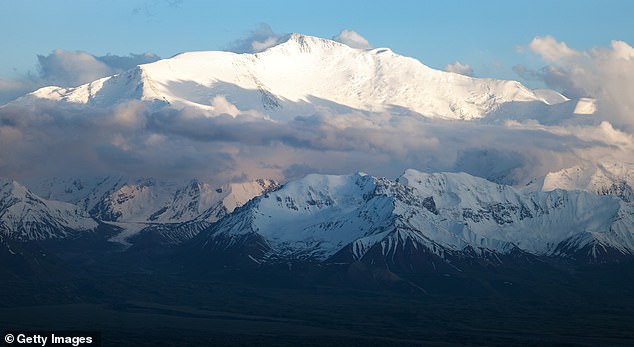
She was one of eight Russian women who perished on their descent from the 7,000m peak located on the border of what are now Tajikistan and Kyrgyzstan in the summer of 1974. The group could not have foreseen the disastrous and unusual weather that plagued Lenin Peak during that August, which included heavy snow, multiple earthquakes that triggered avalanches, and the worst storm seen in the region in 25 years.
A Historic Expedition
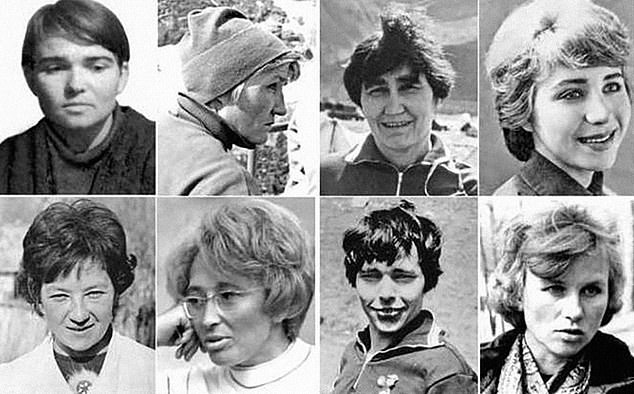
The all-female team was part of an international camp involving hundreds of climbers from various countries, including Germany, Austria, Italy, the Netherlands, Switzerland, Japan, and the US. This marked the first time a major American expedition had been granted access to the Soviet Union. The leader of the Soviet group was Elvira Shatayeva, a 36-year-old professional athlete known for her determination and leadership. She had assembled a squad of seasoned climbers, four of whom had previously scaled the peak, to combat prejudice against women in alpine sports.
Shatayeva’s unique ambition was to conquer the mountain by climbing it from the eastern side and descending via its western ridge, aiming for the first-ever traverse of the peak. However, the climb of summer 1974 would mark her last ascent, with her body later found among destroyed tents, rucksacks ravaged by the snowstorm, and the remains of her fellow teammates.
Even before their ascent, the mountain had already been plagued with tragedy in that peculiarly cold summer: five had already died, including three Estonians, 23-year-old Swiss photographer Eva Isenschmid, and American airline pilot Jon Gary Ullin, 31, whose tent became a graveyard in the crushing whiteout.
The Journey Begins
Lenin Peak is not considered especially technical, but it is towering and subject to extreme weather conditions, with sections of steep ice on the Lipkin route which the women were attempting. Christopher Wren, a climber and Moscow correspondent for the New York Times at the time, participated in the ascent as one of 19 members of the American expedition, and jotted down his experiences in a battered brown notebook, which he wrapped in plastic in the bottom of his climbing bag.
He first met Shatayeva at base camp weeks before the climb, in mid-July, and would later describe her in his book, ‘The End of the Line’, documenting his years in Russia and China. He noted her striking appearance and steel core beneath her facade.
Shatayeva arrived at the camp with a deserved air of confidence, being already a celebrated Russian mountaineer who earned the prestigious accolade of Master of Sport in 1970. She was the third woman to ascend 24,590‐foot Ismoil Somani Peak, the highest in the Soviet Union, and in 1972 became the first Soviet woman to head an all-female ascent of a summit above 7,000 meters when she led a team up Ozodi Peak in Tajikistan.

After leaving base camp with her team on July 30, all seemed to be going exceedingly well for the women. Approaching the main ridge of the mountain on August 2, Shatayeva had radioed her husband – Vladimir Shatayev, stationed at base camp – with good news: ‘Everything so far is so good that we’re disappointed in the route.’ But in a grim twist of fate, it was perhaps Shatayeva’s unbending desire for her squad to complete Lenin Peak unaided by anyone – especially men – that contributed to the eventual disaster.
The Storm Hits
On August 3, the day Shatayeva’s team was resting, there were signs the weather was taking a turn for the worse. An American climber behind the Russian women reported: ‘Cloudy weather today and we have route-finding problems getting over to Camp III in whiteout conditions.’ A day later, British biomedical scientist Richard Alan North bumped into the women on his descent from the peak, climbing together in a line about 400 feet below the summit.
‘They are moving slowly up but in high spirit,’ he later wrote in Summit magazine. ‘“You get a bit short of breath up there,” I remark jokingly. But the humour is lost on them. “Ah! We are strong. We are women,” they reply.’
That day, a major storm was forecast, and organizers began sending out an urgent message to climbers. ‘A storm is predicted. Do not try to climb,’ was the clear instruction, but not all the mountaineers received the warning.
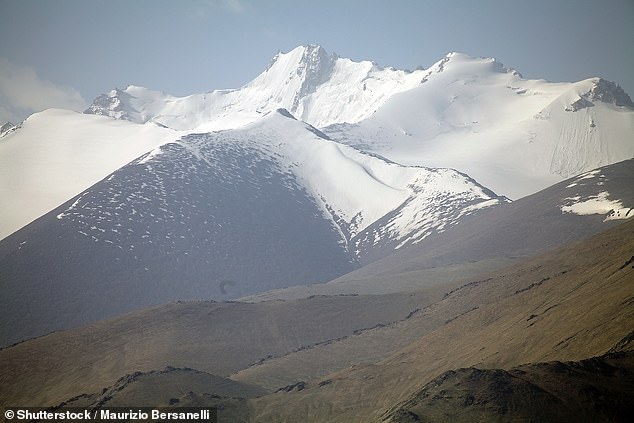
The Soviet women’s team reached the summit late afternoon on August 5, weighed down by carrying full loads of equipment (climbers not on a traverse can leave some gear below). At 5pm, they radioed base camp with growing concerns about deteriorating visibility, preventing them from being able to see their descent route down the mountain. In response to the whiteout, they decided to set up their tents and wait for the weather conditions to improve.
The Final Hours
As the storm worsened, the women faced increasingly dire conditions. The morning of August 6 heralded violent gusts of 80 mph, five inches of snow at base, and higher up the mountain, a foot. More radio messages were delivered, of Shatayeva reporting increasingly alarming news: the women now had zero visibility, and two of her teammates were ill, with one deteriorating rapidly.
They were told to descend immediately, but only managed a few hundred feet. Base camp was adamant that if the very sick woman was unable to move and adequate shelter was impossible, they must leave her for good at the top of the mountain and save themselves by descending without her.
The Aftermath
Four Japanese climbers, bivouacked in a tent at 6,500 metres on the Lipkin side and possessing a strong radio, received panicked transmissions in Russian and realized there was an emergency. The climbers attempted to help the women, but the strong gusts of wind blew them off their feet and forced them back.
Then came a litany of emergency messages to base camp from Shatayeva’s surviving team members, letting everyone know that they were in mortal danger. Robert ‘Bob’ Craig, deputy leader for the American team and author of the subsequent expedition book, ‘Storm and Sorrow’, was stationed at the base and recorded the women’s final correspondences on August 7.
At 8am, base camp questioned Shatayeva as to whether the women were trying to descend the mountain. ‘Three more are sick; now there are only two of us who are functioning, and we are getting weaker,’ was her response. ‘We cannot, we would not leave our comrades after all they have done for us,’ she said, defiantly.
By midday, one more woman had died, and two more were experiencing their final moments. ‘They are all gone now. That last asked: “When will we see the flowers again?” [Two] others earlier asked about [their] children. Now it is no use.’ At 3.30pm, a distraught voice sent another update, accepting defeat: ‘We are sorry, we have failed you. We tried so hard. Now we are so cold.’
The Discovery
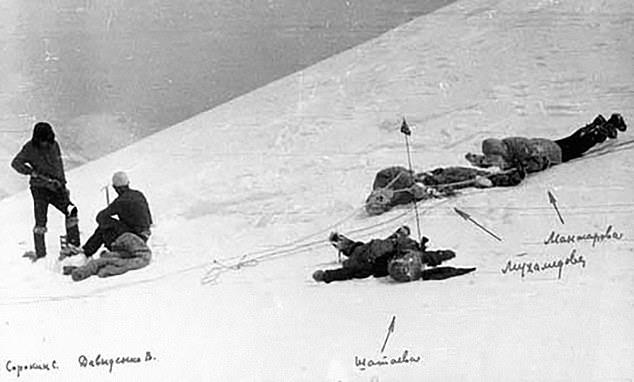
The women’s bodies were discovered inadvertently by Japanese and American climbers, who had weathered the storm in camps little more than 1,000 feet below the peak. They were unaware of the crisis and stumbled upon the still body of Shatayeva, lying in the snow in the sunlight. The remains of three other women were found strewn around the remaining tatters of their ravaged tent.
A fifth body was soon located, still clutching a climbing rope, and two others were found halfway down a slope, frozen along with their parkas. The search team ascended to the summit in an unsuccessful search for the eighth woman where they found footprints that led over the edge of the mountain, causing them to believe she had fallen into the abyss.
But in fact, the missing body was later found beneath the others, when Shatayeva’s husband and a support crew went up the mountain a week after to retrieve them.
Wren, one of the American climbers who found the eight women’s remains, wrote in his journal: ‘Within three hours, we are at the last steep snow face that leads to the summit itself. The Japanese have halted. A body is stretched on the snow before us. With a chill of recognition, I know it is Elvira Shatayeva, the women’s team leader with whom I sat and talked one evening several weeks earlier.’
He continued: ‘The Japanese produce a radio and call base camp. We are instructed to look for other members of the team. We spread out and begin climbing the slope. As we climb, we find them one by one, frozen in desperate acts of escape.’
Contained in his diary are haunting details describing the sight of the women: ‘They still wear their parkas and goggles and even crampons on their icy boots.’
Later, a Soviet climber told him with confidence: ‘They died because of the weather, not because they were women.’
Once back in their tent, the men were haunted by hallucinations of the dead, and Wren insisted he heard sounds like the ‘plaintive voice of a girl outside’. ‘But each time we go out to look, we find only the tent lines squeaking against the snow,’ he wrote.
Vladimir was tasked with identifying the bodies – recording a description on his dictaphone for authorities – and of course he immediately recognised his wife, Shatayeva, lying still on the snowy slope. He initially wanted to bury her body in Moscow, but later decided she should be laid to rest with four other teammates at the Edelweiss meadow, at the foot of Lenin Peak.
The bodies of the other three women were reclaimed by their relatives for alternative burial arrangements.
Arlene Blum, a biophysical chemist and environmentalist from Berkeley, California, also took part in the climb, and recorded her experience in her memoir ‘Breaking Trail’. She commented on the way Shatayeva took the ultimate responsibility for her team, perhaps even sacrificing herself so as to not leave them alone on the peak.
‘The women were so very loyal to each other. They stayed together until the end,’ she said.