
The escalating conflict in the Middle East, following joint U.S. and Israeli military strikes on Iran, has sent shockwaves through global energy markets, triggering a significant surge in oil prices. The price of crude oil has experienced its steepest weekly rise since March 1983, with the benchmark Brent crude surpassing the $100-a-barrel mark for the first time in over three and a half years. This dramatic spike is a direct consequence of the ongoing war in Iran, which is disrupting both production and crucial shipping routes in the strategically vital Middle East region.
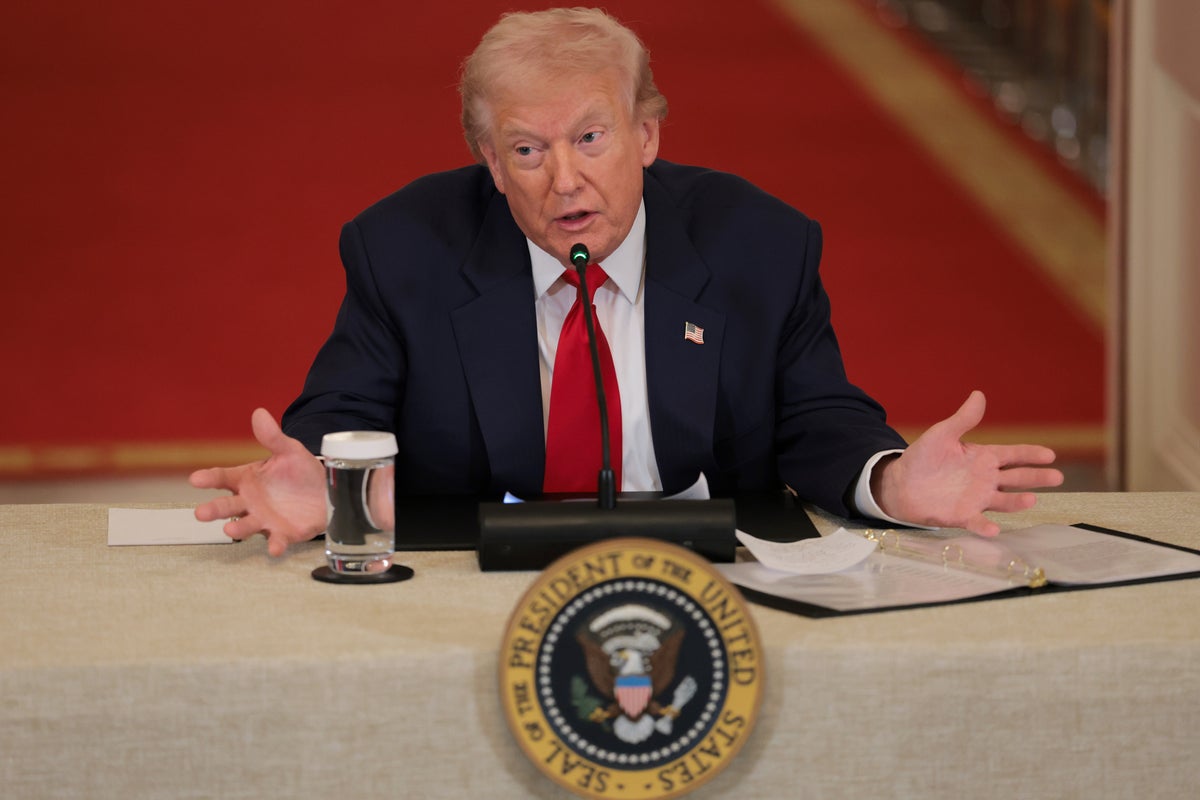
President Donald Trump has publicly addressed the surge, characterising the increased cost of oil as a “very small price to pay” for enhanced global “peace and safety.” In a statement posted on his social media platform, Truth Social, on Sunday, the President articulated his belief that these elevated short-term oil prices, which he predicts will fall rapidly once the “Iran nuclear threat is over,” are a worthwhile sacrifice for the security of the United States and the world.
Energy Secretary Acknowledges Consumer Pain, Promises Relief
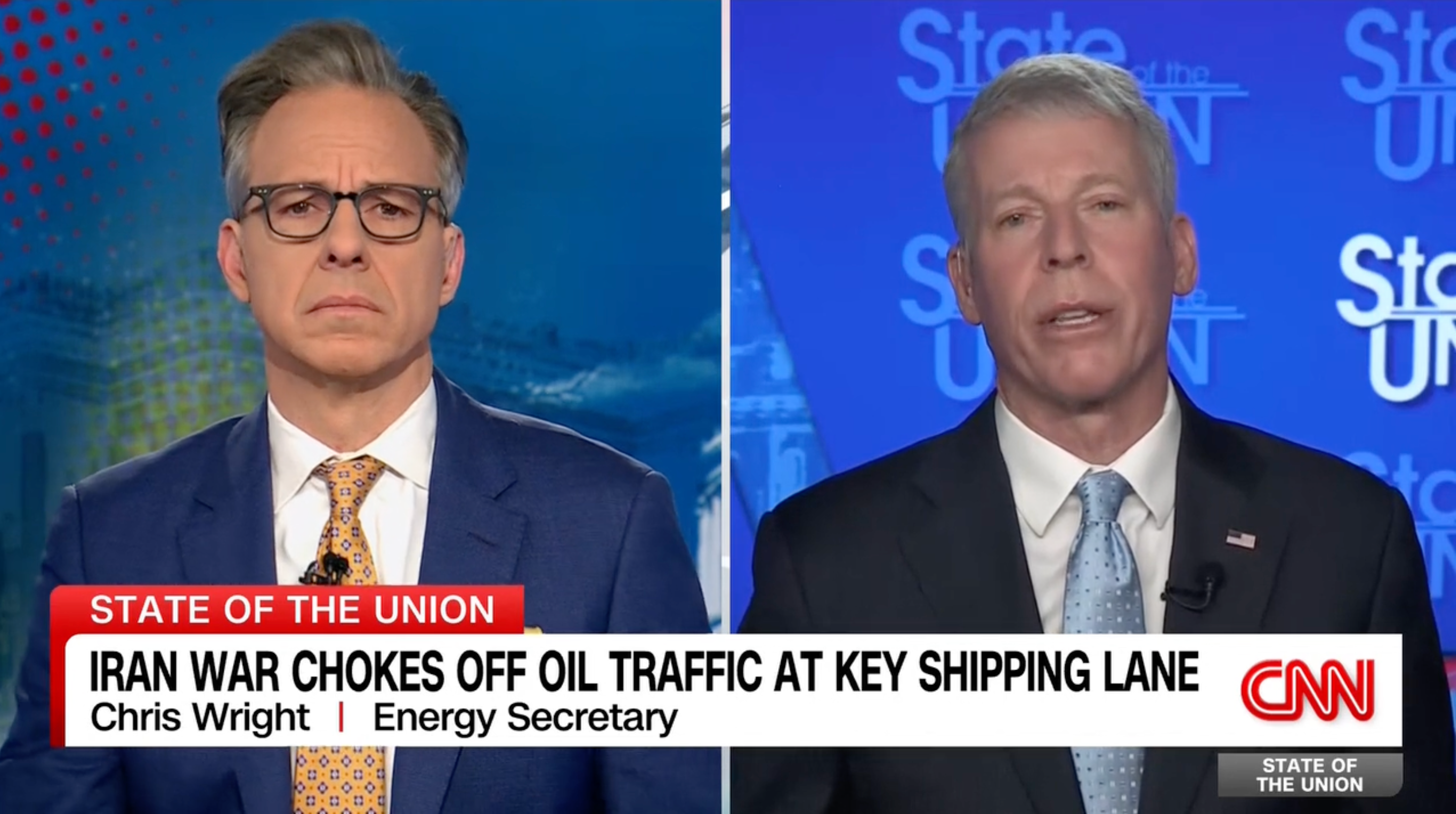
U.S. Energy Secretary Chris Wright has acknowledged the immediate impact of these price hikes on American consumers, conceding that motorists may experience pain at the petrol pump for “weeks” to come. Speaking on CNN, Wright stated that while current gasoline prices remain significantly lower than during the previous administration, he recognised the ongoing struggle for many Americans grappling with the cost of living. He expressed a desire to see prices fall back below $3 a gallon and indicated that this target is achievable “before too long.”
When pressed by CNN anchor Jake Tapper for a more precise timeline, Secretary Wright suggested that the situation is a matter of “weeks, not months,” in the most pessimistic scenario. Wright, who previously served as CEO of the fracking firm Liberty Energy, also sought to reassure the market, suggesting that the current anxiety might be disproportionate. He argued that the world is not experiencing a genuine shortage of oil or natural gas, implying that a portion of the price increase is driven by a “fear premium” within the marketplace.
White House Navigates Political and Economic Pressures
Behind the scenes, the Trump administration is reportedly exploring all avenues to alleviate the pressure on energy prices. An unnamed industry executive, speaking to Politico, revealed that senior officials, including Secretary Wright and Interior Secretary Doug Burgum, are under intense pressure to find positive news regarding energy costs. The White House has, however, dismissed these reports as “unverified gossip.”
The geopolitical tensions and their economic ramifications come at a time when public sentiment is divided. A recent Marist poll indicated that a majority of Americans, 56 percent, oppose U.S. military action in Iran. Simultaneously, a significant portion of the electorate is deeply concerned about affordability, with an Ipsos survey from late February revealing that over half of voters find essential expenses like healthcare, a new car, and even a weeklong holiday to be unaffordable.
Global Oil Prices Soar Amidst Middle Eastern Instability
The financial markets have reacted swiftly and dramatically to the unfolding events. On Sunday, Brent crude, the global benchmark for oil prices, traded at $101.19 a barrel shortly after markets reopened on the Chicago Mercantile Exchange. This represented a substantial 9.2 percent increase from the previous Friday’s closing price.

Meanwhile, U.S.-produced West Texas Intermediate (WTI) crude oil also saw a significant jump, trading around $107.06 per barrel, marking a climb of over 16 percent from Friday. This surge follows an already dramatic 36 percent spike in U.S. crude prices witnessed in the preceding week.
Experts Warn of Further Price Increases
The upward trend in oil prices shows little sign of abating, with numerous experts and international officials issuing stark warnings of further increases. Patrick De Haan, head of petroleum analysis for GasBuddy, estimated on Sunday that there is an 80 percent probability that the national average price of gasoline in the U.S. will reach $4 per gallon within the next month. Currently, the U.S. average stands at $3.45, according to AAA.
Financial institutions are also revising their forecasts. Goldman Sachs has projected that oil prices could potentially soar to as high as $150 per barrel by the end of the current month. Adding to these concerns, Qatar’s energy minister has cautioned that the war in Iran could precipitate a dramatic escalation in oil prices, potentially destabilising global economies.
Geopolitical Conflicts and Supply Chain Vulnerabilities
The vulnerability of gas prices to geopolitical conflicts is a well-established phenomenon, primarily due to the impact on oil supply chains. Disruptions to critical shipping lanes and refinery operations can have immediate and significant consequences for global energy markets. The current conflict in Iran, which has drawn in wider regional actors, is a prime example of this dynamic.
Since the commencement of hostilities in late February, tanker traffic through the Strait of Hormuz, a vital chokepoint for global oil transit, has seen a marked decline. This strategic waterway, situated along Iran’s southern coast, facilitates the passage of approximately 20 percent of the world’s oil supplies, underscoring the critical nature of any disruptions.
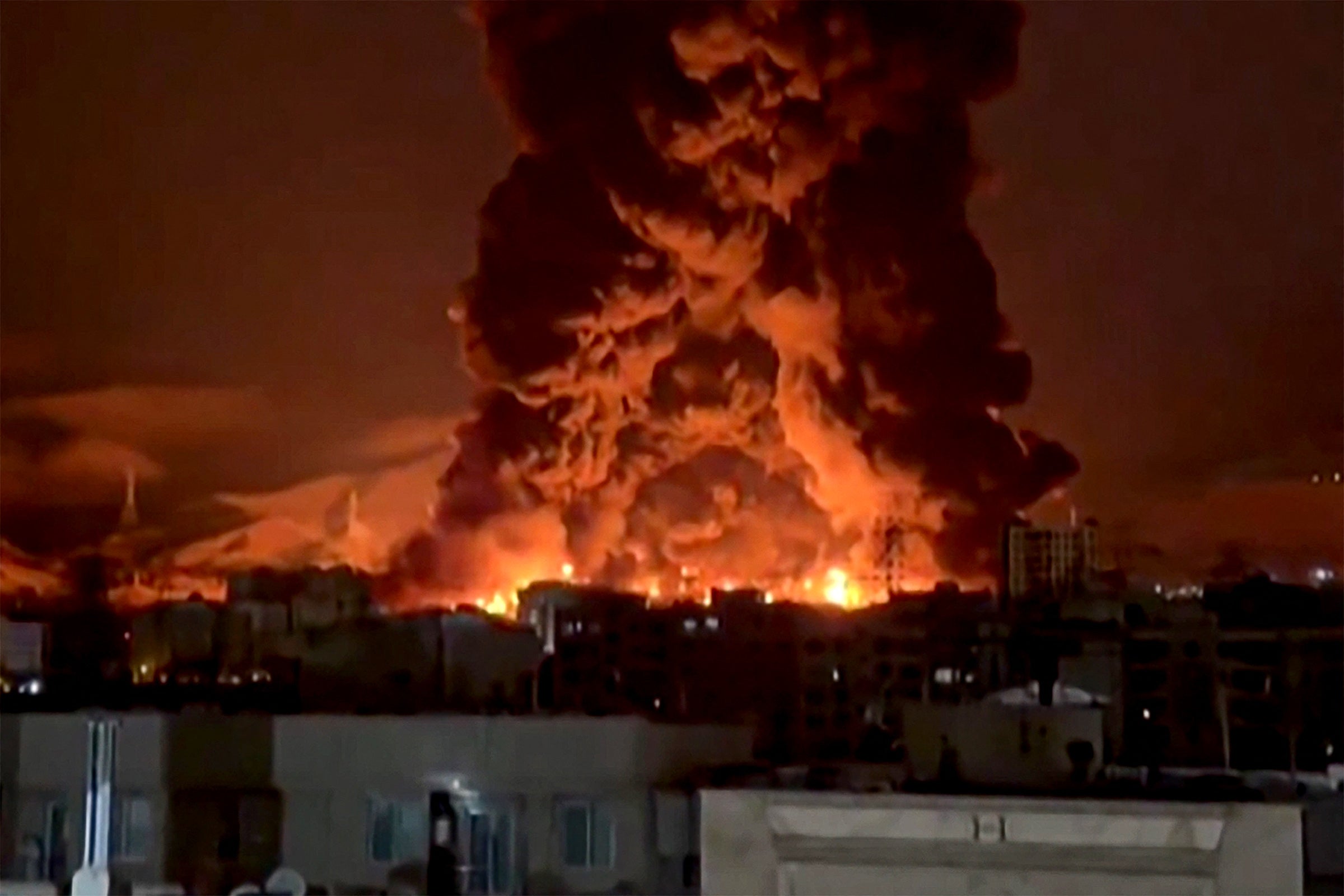
Furthermore, reports indicate that Kuwait has begun to curtail production at several of its oil fields, citing a lack of storage capacity for its accumulated crude. This decision, as reported by The Wall Street Journal, highlights the immediate operational challenges faced by oil-producing nations in the region.
Beyond the immediate geopolitical impacts, broader market trends are also contributing to domestic gas price fluctuations. AAA has noted that gasoline prices typically experience an upward tick in the spring as consumer demand rises, a seasonal factor that could exacerbate the current price pressures.


