
Labour Leadership Under Pressure as Burnham By-Election Bid Thwarted
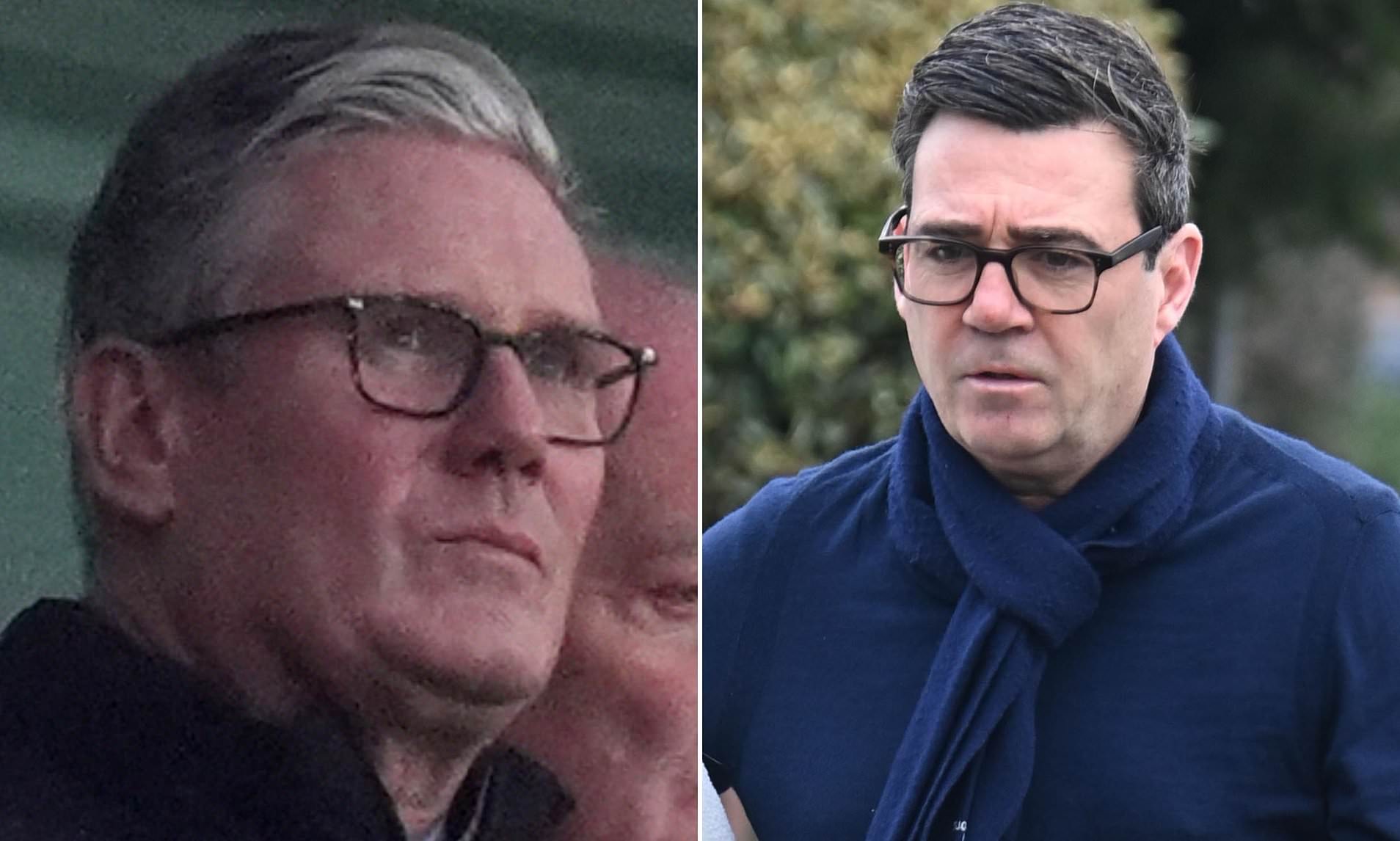
A significant political manoeuvre by Labour leader Sir Keir Starmer, aimed at preventing Greater Manchester Mayor Andy Burnham from contesting a parliamentary by-election, has ignited internal party turmoil and sparked warnings of an impending leadership challenge. The decision, which saw Sir Keir personally lead efforts to block Mr. Burnham’s bid to become a Member of Parliament, has been met with widespread criticism from within the Labour ranks, with some accusing the leader of acting out of fear and risking a damaging internal conflict.
The controversy centres on Mr. Burnham’s attempt to stand in the Gorton and Denton by-election, a seat vacated by former Labour minister Andrew Gwynne. The party’s National Executive Committee (NEC) ultimately denied Mr. Burnham permission to stand, a requirement for directly elected Labour mayors seeking to enter Parliament. Labour officials stated the decision was made to “avoid an unnecessary mayoral election, which would use substantial amounts of taxpayers’ money and resources that are better spent tackling the cost-of-living crisis.”
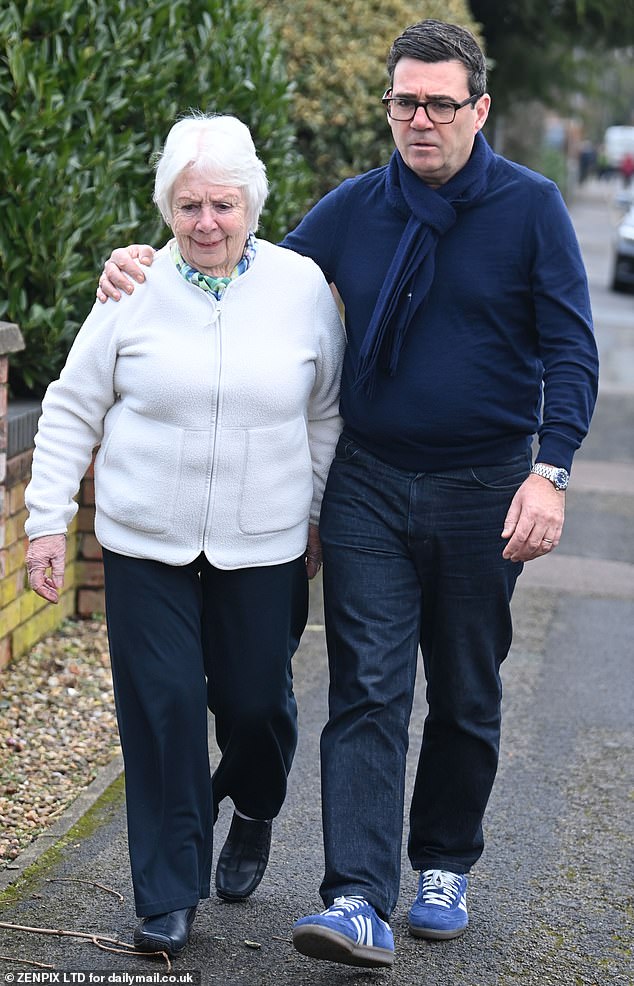
However, this rationale has done little to quell the discontent. Mr. Burnham himself broke his silence to express disappointment and concern over the party’s internal operations, lamenting that the media was informed of the decision before he was. “The fact that the media was informed of the NEC decision before I was tells you everything you need to know about the way the Labour Party is being run these days,” he stated on X, formerly Twitter. “You would think that over 30 years of service would count for something, but sadly not.”
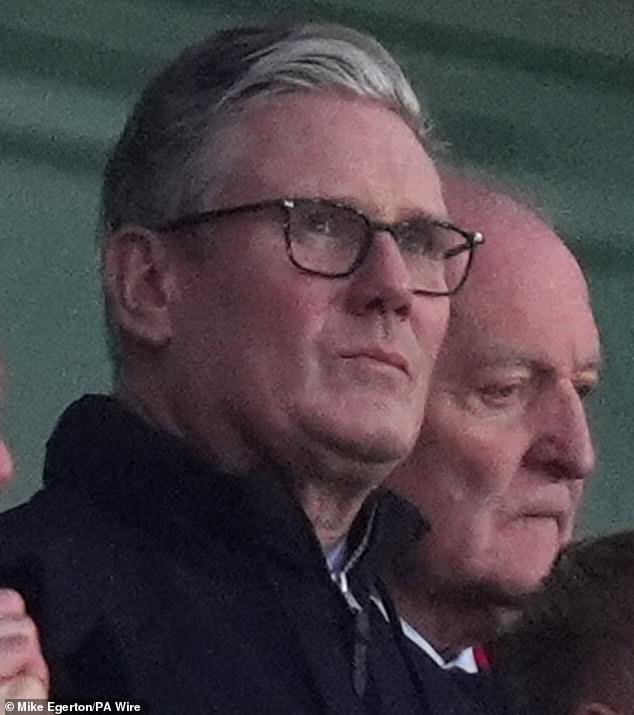
The move has infuriated many Labour MPs, who view it as a strategic misstep that could weaken the party’s standing in crucial upcoming elections. Karl Turner, the Labour MP for Kingston upon Hull East, suggested that sabotaging Mr. Burnham’s bid “provides more chance of a challenge” should the party falter in the by-election. Echoing this sentiment, former shadow chancellor John McDonnell warned that if Sir Keir believes this action strengthens his position, he is mistaken, and it could instead “hasten his demise if he’s not careful.” Diane Abbott, an independent MP, also predicted that a challenger would emerge if the results of the upcoming local elections are as poor as anticipated.
Internal Divisions Surface in NEC Vote
The NEC’s decision was reportedly made during a 45-minute meeting involving ten members, chaired by Home Secretary Shabana Mahmood, who abstained from voting. The panel, which included the Prime Minister and Solicitor General Ellie Reeves, voted by an 8-1 majority to block Mr. Burnham. Significantly, Labour’s deputy leader, Lucy Powell, was the sole dissenting voice, casting the only vote in support of Mr. Burnham’s candidacy.
Sources within the Labour party suggest the decision was motivated by a desire to prevent a costly and potentially damaging electoral battle for the Manchester mayoralty against the Reform party. The prospect of Reform UK securing the mayoralty, a significant prize for Nigel Farage’s party, was a major concern. Furthermore, the estimated cost of running a mayoral election concurrently with the by-election was substantial, with the previous mayoral election costing approximately £4.7 million.
Potential Impact on Upcoming Elections and Leadership Aspirations
The controversy unfolds against a backdrop of challenging local elections in May, where Labour is predicted to face significant losses, particularly in Wales and Scotland, and cede seats to Reform UK. The decision to block Mr. Burnham, widely considered Labour’s strongest candidate for the Gorton and Denton seat, has been seen by some as effectively handing the constituency to Reform.
The anger extends to powerful union leaders. Unison leader Andrea Egan voiced her opposition to “control freakery” before the decision, tweeting, “This isn’t the way any democratic organisation should be run. Now’s the time to unite our movement, not divide it.” This internal schism has been described as opening up a North-South divide within the party and has the potential to escalate into a full-blown civil war.
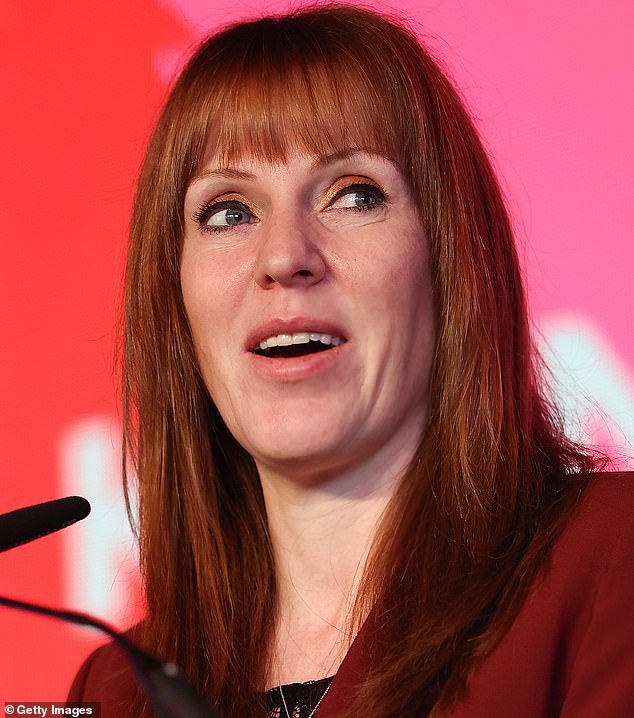
The ensuing turmoil has inevitably reignited speculation about potential leadership challenges. Figures such as Wes Streeting, the Health Secretary, and Angela Rayner, the former deputy leader, are frequently mentioned as potential contenders. Allies of Mr. Streeting reportedly believe he has substantial support among MPs to launch a leadership bid, particularly if Labour experiences a significant setback in the May local elections. Angela Rayner is also seen as a strong contender, as is Energy Secretary Ed Miliband, who reportedly performs well in member polls.
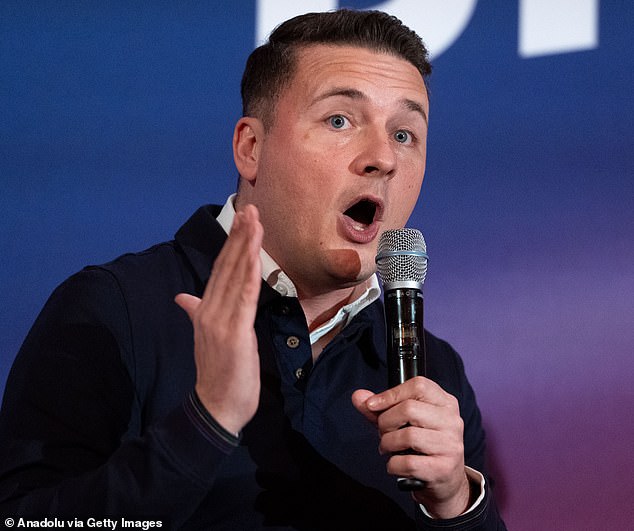
Mr. Burnham, meanwhile, has declared his full focus will return to his role as Mayor of Greater Manchester. He stated his intention to stand for the by-election was to “prevent the divisive politics of Reform from damaging” the progress made in the city-region. The Gorton and Denton by-election was triggered after Andrew Gwynne resigned on health grounds. Mr. Gwynne had previously been suspended by Labour following revelations of offensive messages he had sent. The seat, once considered a safe Labour constituency, is now viewed as a three-way marginal contest involving Labour, Reform, and the Green Party. The internal discord surrounding Mr. Burnham’s blocked bid is seen by many as a significant distraction and a potential vulnerability for the Labour party as it navigates these critical electoral periods.


