
Ministers Face Scrutiny Over £60,000 in Fuel Expenses Amidst Refusal to Scrap Duty Hike
A significant financial outlay by cabinet ministers on fuel expenses, totalling nearly £60,000, has ignited public debate and drawn accusations of hypocrisy. This comes at a time when the governing party is reportedly refusing to alleviate the burden on motorists by rescinding a planned fuel duty increase.
Analysis of expenses receipts has revealed that eleven members of the current cabinet have utilized taxpayer-funded subsidies for their vehicle running costs over recent years. Collectively, these claims amount to £58,589 for ‘car mileage’ across a three-year period, with some individuals submitting claims exceeding £8,000.
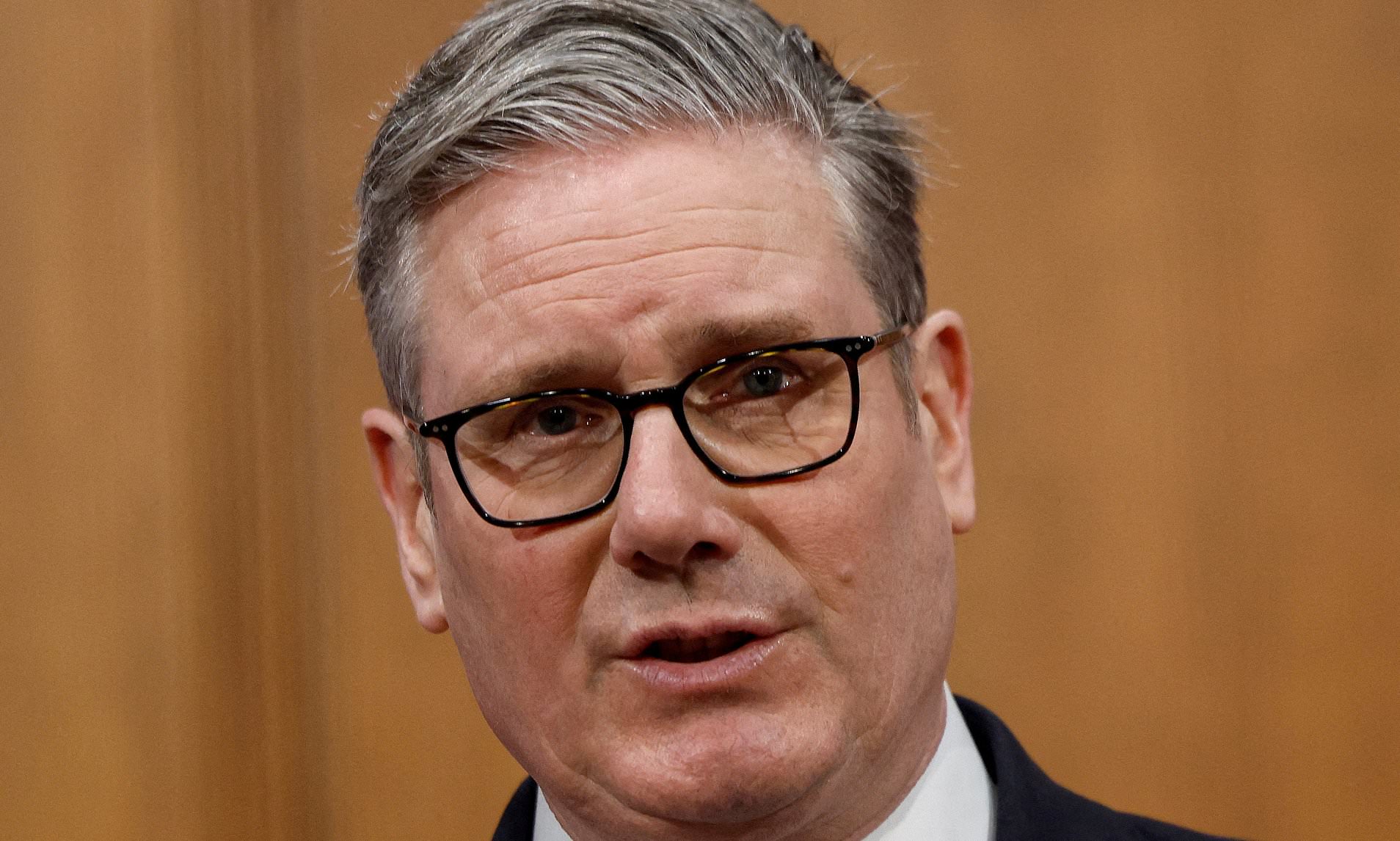
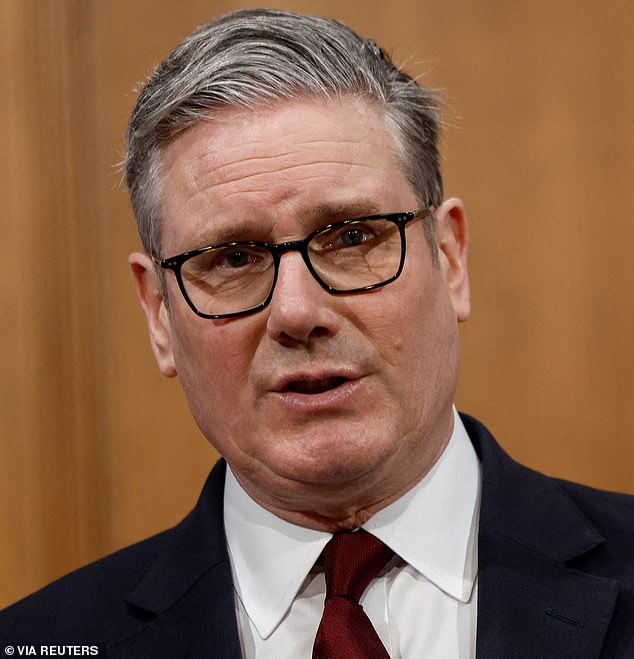
Critics argue that this practice presents a poor image, particularly as the party leadership, including Sir Keir Starmer and Chancellor Rachel Reeves, has resisted calls to forgo the scheduled fuel duty hike. This levy, set to increase by 5 pence per litre in September, is projected to add an additional £3 to the cost of filling up a standard vehicle.
Among those who have claimed mileage expenses is Chancellor Rachel Reeves, who, according to the expense analysis, claimed just over £2,000 to cover her petrol bills.
Leading Claimants for Fuel Expenses:
- Pat McFadden, Work and Pensions Secretary: The highest claimant, receiving £8,766.
- Jo Stevens, Wales Secretary: Claimed £8,724.
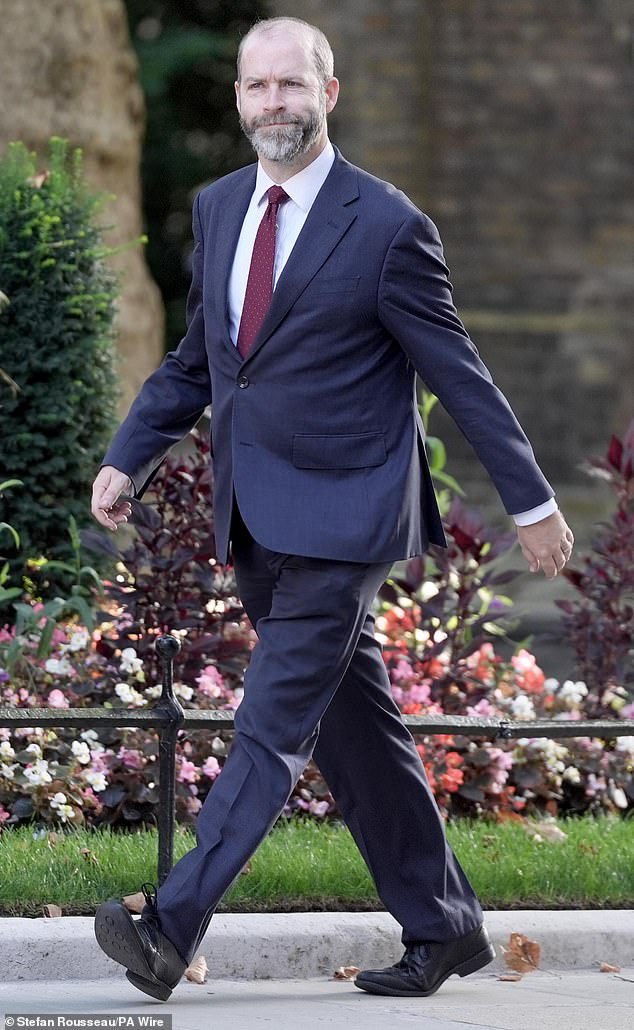
- Jonathan Reynolds, Parliamentary Secretary to the Treasury: Previously served as Business Secretary and claimed £8,717.
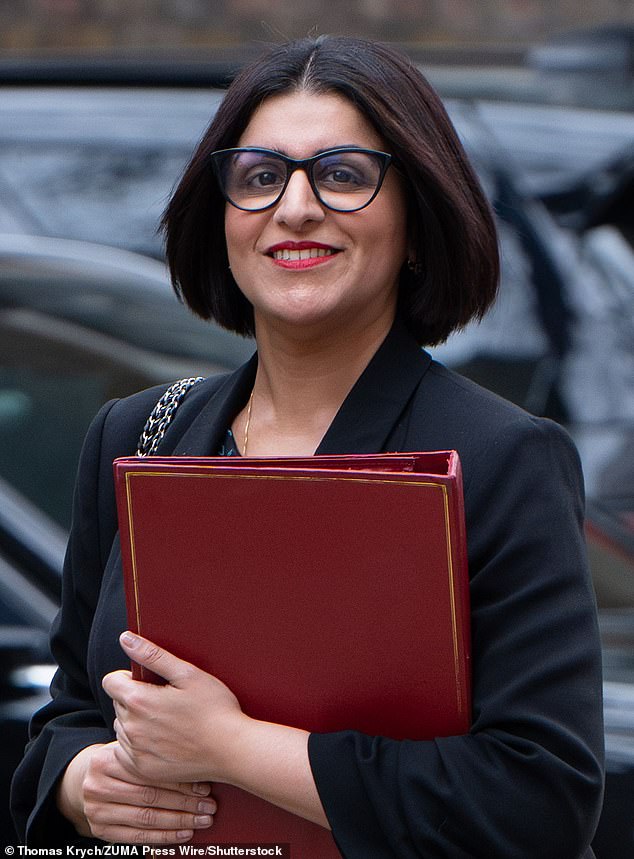
- Shabana Mahmood, Home Secretary: Submitted claims totalling £7,837.
- John Healey, Defence Secretary: Received £6,412.
- Darren Jones, Chief Secretary to the Treasury: Claimed nearly £6,000.
Beyond mileage, cabinet ministers also incurred an additional £7,000 in expenses related to parking and congestion charges, further contributing to the overall financial outlay.
Public Outcry and Accusations of Hypocrisy
The revelations have prompted strong reactions from public interest groups. John O’Connell, chief executive of the TaxPayers’ Alliance, expressed growing frustration among the public regarding the perceived insulation of Members of Parliament from economic hardships. “Taxpayers are growing increasingly impatient at the way MPs are shielded from hardships,” O’Connell stated. “Whether it’s council tax, inflation and now the price of petrol, politicians are often able to avoid rising costs, even when they are directly to blame.”
Howard Cox, a spokesperson for the FairFuelUK campaign, echoed these sentiments, highlighting the disparity between the public’s financial obligations and the benefits enjoyed by politicians. “While us plebs have no choice but to pay fuel duty, VAT, congestion and parking charges to go to work, these political careerists expect everything surrounding their £98,000-salaried lifestyle to be picked up by those who put them into Westminster,” Cox remarked. “It’s not a good look. It stinks of hypocrisy.”
It is important to note that the analysis of expenses does not suggest any wrongdoing or breach of rules by the individuals who made these claims.
A representative for the Labour Party issued a statement clarifying that all claims are submitted in accordance with the guidelines set by the Independent Parliamentary Standards Authority. “All claims are made in line with Independent Parliamentary Standards Authority rules,” the spokesman said.


