
Oil Prices Surge: Trump Claims “Small Price to Pay” for Iran’s Defeat
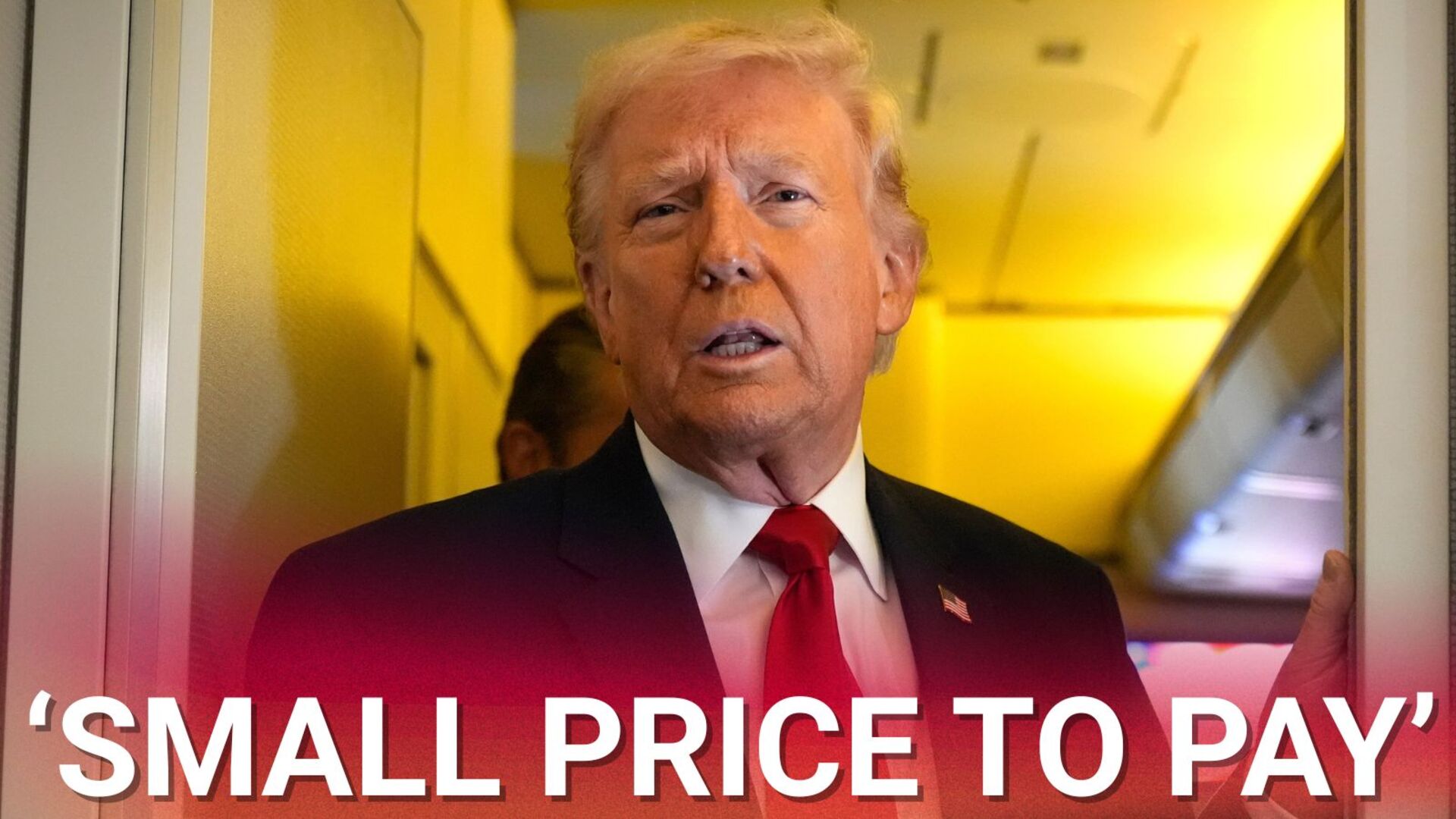
Recent surges in global oil prices have prompted strong reactions, with former US President Donald Trump weighing in on the matter via his social media platform, Truth Social. Trump asserted that the current record-high oil prices are a “very small price to pay” in the context of what he described as the defeat of Iran’s nuclear ambitions, referencing a hypothetical operation named “Operation Epic Fury.”
Trump’s statement, posted on Truth Social, suggested a direct correlation between the geopolitical situation involving Iran and the fluctuations in the oil market. He articulated his viewpoint by stating, “Short term oil prices, which will drop rapidly when the destruction of the Iran nuclear threat is over, is a very small price to pay for U.S.A., and World, Safety and Peace.” This declaration positions the economic impact of rising fuel costs as a secondary concern when weighed against the perceived elimination of a significant global security threat emanating from Iran.
The former President’s rhetoric implies that any economic discomfort experienced globally due to elevated oil prices is a temporary and justifiable sacrifice. He further emphasised this sentiment with a forceful concluding remark: “ONLY FOOLS WOULD THINK DIFFERENTLY!” This strong assertion aims to dismiss any opposing viewpoints that might prioritise immediate economic stability over what he frames as a crucial long-term security objective.
The complex interplay between international relations, geopolitical events, and global energy markets is a recurring theme in economic discourse. Oil prices are notoriously sensitive to geopolitical instability, with supply disruptions, sanctions, and escalating tensions in oil-producing regions often leading to sharp price increases. In this instance, Trump’s comments suggest a belief that a decisive military or diplomatic action against Iran’s nuclear program would not only resolve a perceived threat but also swiftly lead to a stabilisation and subsequent decrease in oil prices.
Economic analysts, however, often present a more nuanced perspective. Factors influencing oil prices are multifaceted and can include:
- Supply and Demand Dynamics: The fundamental economic principle of supply and demand plays a significant role. Reduced supply due to geopolitical events, production cuts by major oil-producing nations (like OPEC+), or infrastructure damage can drive prices up. Conversely, increased supply or decreased global demand can lead to price drops.
- Geopolitical Risk Premium: Markets often factor in a “risk premium” when tensions rise in key oil-producing regions. This premium reflects the potential for future supply disruptions, even if they haven’t occurred yet.
- Economic Growth: Global economic health significantly impacts oil demand. Strong economic growth generally leads to higher demand for energy, pushing prices up, while economic slowdowns can depress demand and prices.
- Inventory Levels: The amount of oil stored in reserves globally can influence prices. High inventory levels can act as a buffer against price spikes, while low inventories can exacerbate price increases.
- Currency Fluctuations: Oil is typically priced in US dollars. Changes in the value of the dollar can affect the price of oil for countries using other currencies.
Trump’s assertion that oil prices will “drop rapidly” upon the resolution of the “Iran nuclear threat” suggests an expectation that the removal of this specific geopolitical risk would immediately unlock or stabilise oil supplies, thereby correcting market imbalances. While it is true that the resolution of significant geopolitical tensions can lead to market stabilisation, the speed and magnitude of such a price correction are subject to many of the other economic factors listed above.
The framing of the oil price surge as a “small price to pay” highlights a particular strategic perspective, prioritising perceived national and global security outcomes above immediate economic considerations. This perspective often resonates with certain segments of the population who may be more inclined to view geopolitical assertiveness as a necessary tool for ensuring long-term safety.
However, for many individuals and businesses worldwide, the impact of record-high oil prices is tangible and immediate. Increased fuel costs translate to higher prices for transportation, goods, and essential services, disproportionately affecting lower-income households and potentially slowing economic activity. This economic reality often leads to calls for immediate policy interventions to mitigate the impact on consumers and businesses, regardless of the underlying geopolitical causes.
The debate surrounding the relationship between geopolitical events and oil prices is likely to continue as global dynamics evolve. Trump’s commentary underscores the significant influence that political rhetoric can have on public perception of economic issues, particularly when framed within a narrative of national security and global peace. The actual trajectory of oil prices, however, will ultimately be determined by a complex interplay of market forces, geopolitical developments, and global economic conditions.


