Trump Threatens to Deploy ICE Agents at Airports Amid Government Shutdown
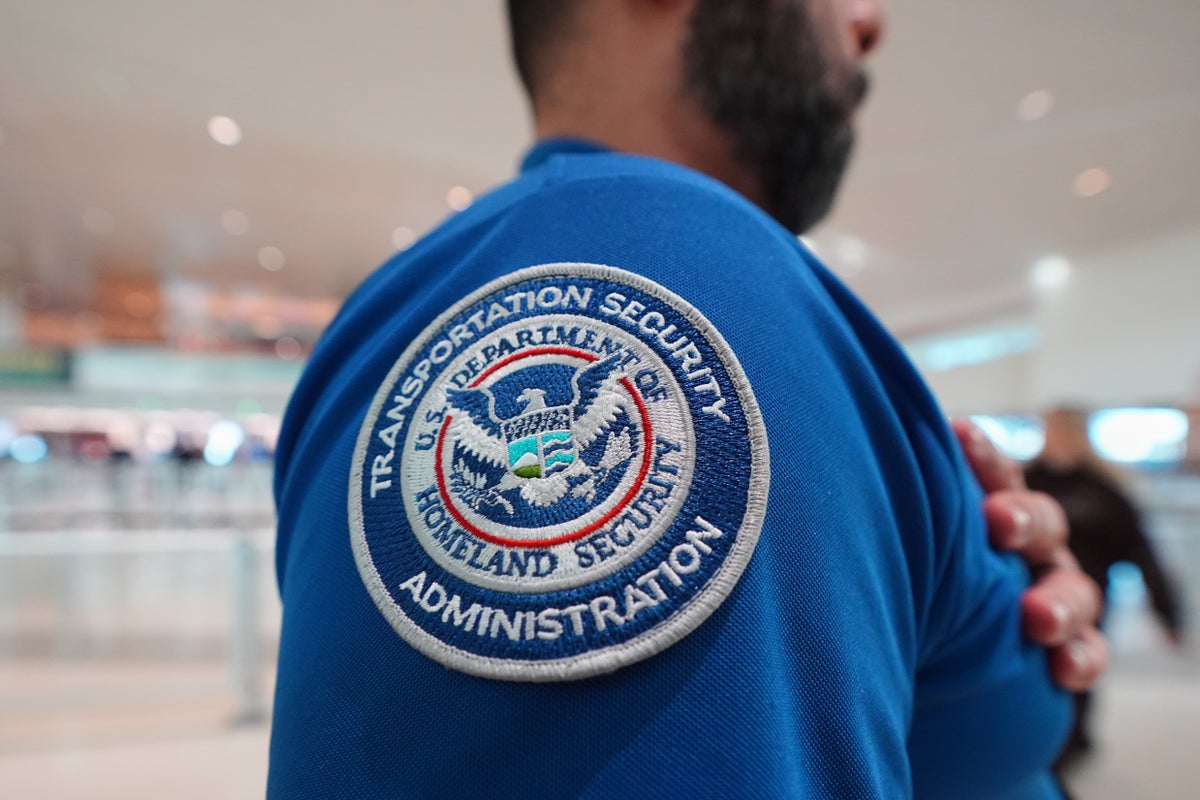
As the partial government shutdown continues, with most of the Department of Homeland Security (DHS) operating without funding, President Donald Trump has threatened to send Immigration and Customs Enforcement (ICE) agents to airports to assist the Transportation Security Administration (TSA). This move, according to Trump, could begin as early as Monday.
Writing on Truth Social from his golf course in West Palm Beach, Florida, Trump demanded that Democrats “immediately” reach an agreement to fund DHS or face the deployment of ICE agents. He claimed that these agents would provide security at airports “like no one has ever seen before.”
Following this, he issued another statement on Sunday morning, confirming that the deployment would start the next day. Trump stated that ICE agents would be sent to airports to support TSA officers, who have continued working despite the lack of funding. He accused Democrats of holding back money that was agreed upon through signed and sealed contracts, claiming they are focused on protecting illegal immigrants.
The Role of ICE and TSA in Homeland Security
ICE and TSA are both part of the broader homeland security framework established after the September 11 attacks. However, unlike TSA officers, ICE agents do not have any training in airport security tasks. This raises concerns about the effectiveness and safety of such a deployment.
Trump also claimed that ICE agents deployed to airports would focus on arresting all illegal immigrants, with a particular emphasis on those from Somalia. He accused Somalis in the U.S., many of whom are U.S. citizens, of having “totally destroyed” Minnesota. However, airports are not a major source of illegal immigration in the U.S., and the impact of this portion of his order is likely to be minimal.
“I look forward to seeing ICE in action at our Airports,” Trump wrote.
Impact on TSA and Airport Operations
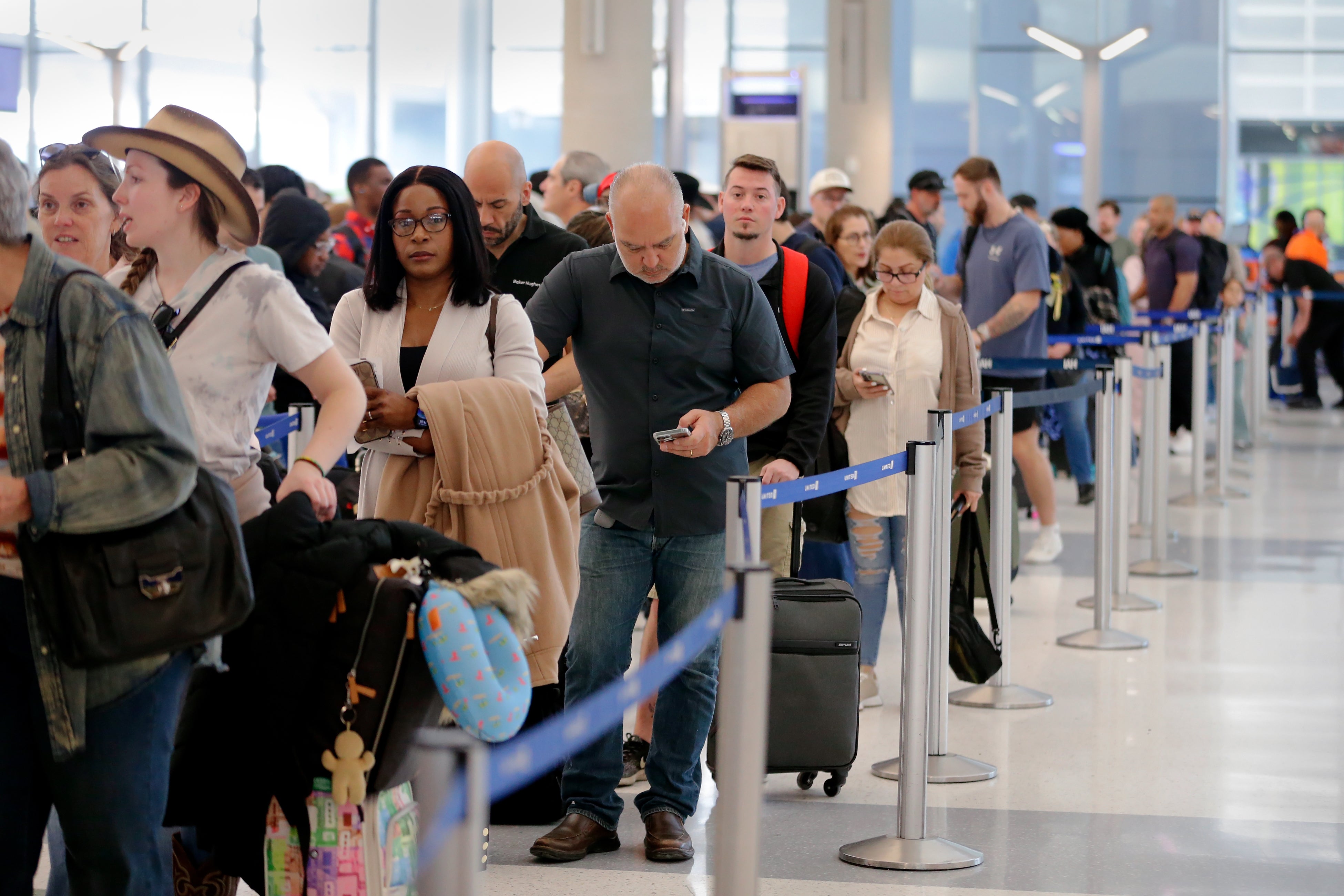
The approximately 50,000-strong TSA workforce has been forced to work without pay since a temporary DHS funding bill expired five weeks ago. This has led to increasing chaos at American airports, with travelers facing long lines due to a shortage of TSA staff.
Many TSA workers are still dealing with debts accumulated during last year’s 43-day government shutdown and are now just six days away from missing a second full paycheck. According to NBC News, more than 400 TSA officers have quit since the shutdown began.
Acting deputy TSA administrator Adam Stahl warned that the agency was “fully stretched.” He stated that if the situation continues, it may become necessary to shut down airports. “The reality of the situation is this is going to get worse before it gets better, if we don’t see any sort of action,” he said.
Political Tensions and Funding Disputes
Democrats in Congress have demanded that any bill to fund the department include provisions to curb civil rights violations and other abuses committed by ICE. These include prohibitions on agents covering their faces, the use of body-worn cameras, and requiring judicial warrants for home entries during arrests.
However, the Trump administration has refused to accede to most of these requests. Instead, it has continued to fund immigration enforcement through a massive partisan spending package enacted last year, while leaving TSA and other DHS components without pay or furloughed.
A TSA spokesperson blamed Democrats for the situation, accusing them of “shamelessly playing politics with national security” and “punishing hardworking TSA workers and their families.”
The Broader Implications
The ongoing conflict highlights the deep political divide over how to fund and manage homeland security. While Trump pushes for increased immigration enforcement, Democrats argue for greater oversight and accountability. The current stalemate has left TSA workers in a difficult position, with no clear resolution in sight.
As the government shutdown continues, the situation at airports remains precarious. With TSA staff struggling to keep up with demand, the risk of further disruptions grows. The public is left waiting for a resolution, hoping that a compromise can be reached before the situation deteriorates further.