
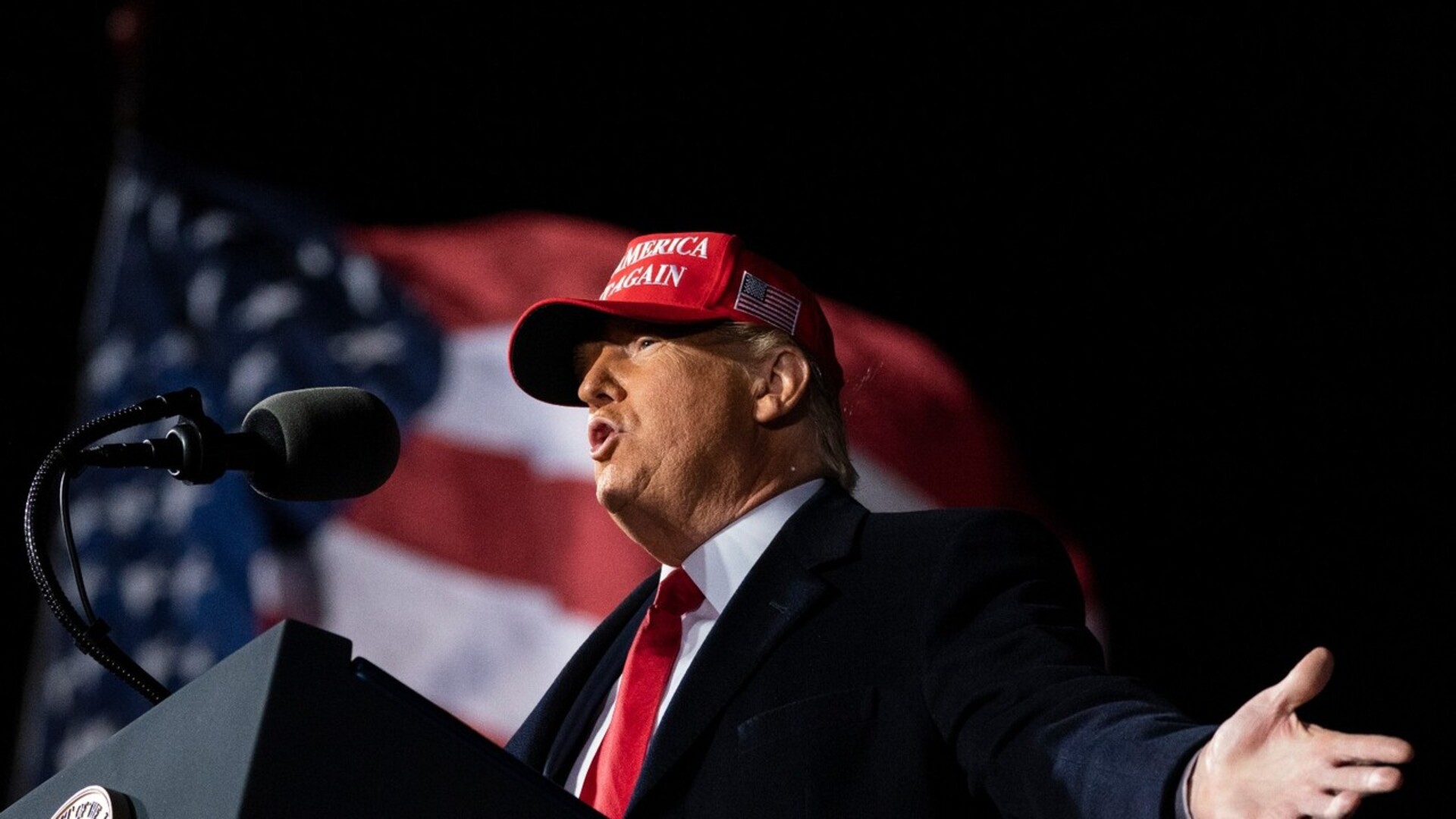
Trump Signals No Immediate Iran Deal Amid Escalating Tensions
US President Donald Trump has indicated that he is not currently prepared to strike a deal with Iran to de-escalate the burgeoning conflict, despite acknowledging Iran’s apparent desire for such an agreement. Speaking in a recent interview with NBC News, the President stated that while Iran “wants to make a deal,” he remains unconvinced that the proposed terms are “good enough” to warrant American acceptance. This stance suggests a continued hardline approach from the White House regarding any potential diplomatic resolution with Tehran.
The President’s comments come at a time of heightened global scrutiny on the geopolitical situation between the United States and Iran. The remarks highlight a significant gap in objectives and perceived fairness, with Trump implying that any agreement would need to be substantially more favourable to the US than current proposals. This position could prolong the period of uncertainty and potential instability in the region, as both nations navigate complex diplomatic and military currents.
Doubts Cast on Iran’s Leadership and Military Capabilities
Adding a layer of provocative commentary to the ongoing dialogue, President Trump also raised questions about the legitimacy and presence of Iran’s new supreme leader, Mojtaba Khamenei. The President cast doubt on whether Khamenei was “even alive,” a statement that, if taken at face value, could be interpreted as a deliberate attempt to undermine the authority and stability of the Iranian regime. Such rhetoric often serves to sow internal discord or signal a lack of respect for the opposing leadership.
Furthermore, President Trump commented on the recent attack on Kharg Island, describing the damage as having “totally demolished” the facility. This assertion underscores the significant military capabilities deployed by the US in the region and the potentially devastating impact of such actions. However, the President’s subsequent remark, suggesting he might “hit it a few more times just for fun,” injected a tone of casual aggression. This statement, whether intended as a serious threat or a rhetorical flourish, highlights the volatile nature of the current US-Iran relationship and the potential for further escalation.
The Broader Context of US-Iran Relations
The President’s statements come against a backdrop of escalating tensions that have been building for some time. Following the US withdrawal from the Joint Comprehensive Plan of Action (JCPOA) in 2018, a landmark nuclear deal with Iran, the two countries have engaged in a series of retaliatory actions and diplomatic standoffs. These have included sanctions, military posturing, and incidents involving oil tankers and drone activity in strategic waterways.
- Economic Pressure: The reimposition of stringent sanctions by the US has aimed to cripple Iran’s economy, forcing it to curb its nuclear program and reduce its regional influence. However, these sanctions have also led to widespread hardship for the Iranian population.
- Regional Proxy Conflicts: Both nations are involved in supporting opposing sides in various regional conflicts, particularly in Syria, Yemen, and Iraq. This proxy warfare adds another layer of complexity to the overall confrontation.
- Nuclear Ambitions: Concerns about Iran’s potential to develop nuclear weapons remain a central issue. While Iran insists its nuclear program is for peaceful purposes, international observers remain vigilant.
- Freedom of Navigation: The strategic importance of waterways like the Strait of Hormuz, a vital chokepoint for global oil shipments, has made it a focal point for potential confrontation. Incidents in this region have often led to sharp increases in oil prices and heightened diplomatic tensions.
What Lies Ahead?
President Trump’s current stance suggests that any immediate breakthrough in US-Iran relations is unlikely. The emphasis on “good enough” terms for a deal implies that Iran would need to make significant concessions, potentially on its nuclear program, regional activities, and ballistic missile development, before the US would consider lifting sanctions or engaging in broader diplomatic overtures.
The administration’s dual approach of applying maximum economic pressure while maintaining a readiness for military action, coupled with provocative rhetoric, creates a precarious environment. The future trajectory of US-Iran relations will likely depend on a complex interplay of domestic political considerations in both countries, regional dynamics, and the willingness of either side to compromise. The international community will undoubtedly continue to monitor these developments closely, given the potential for wider regional instability and the global impact on energy markets. The coming weeks and months will be crucial in determining whether a path towards de-escalation can be found or if the current confrontational posture will persist.


