
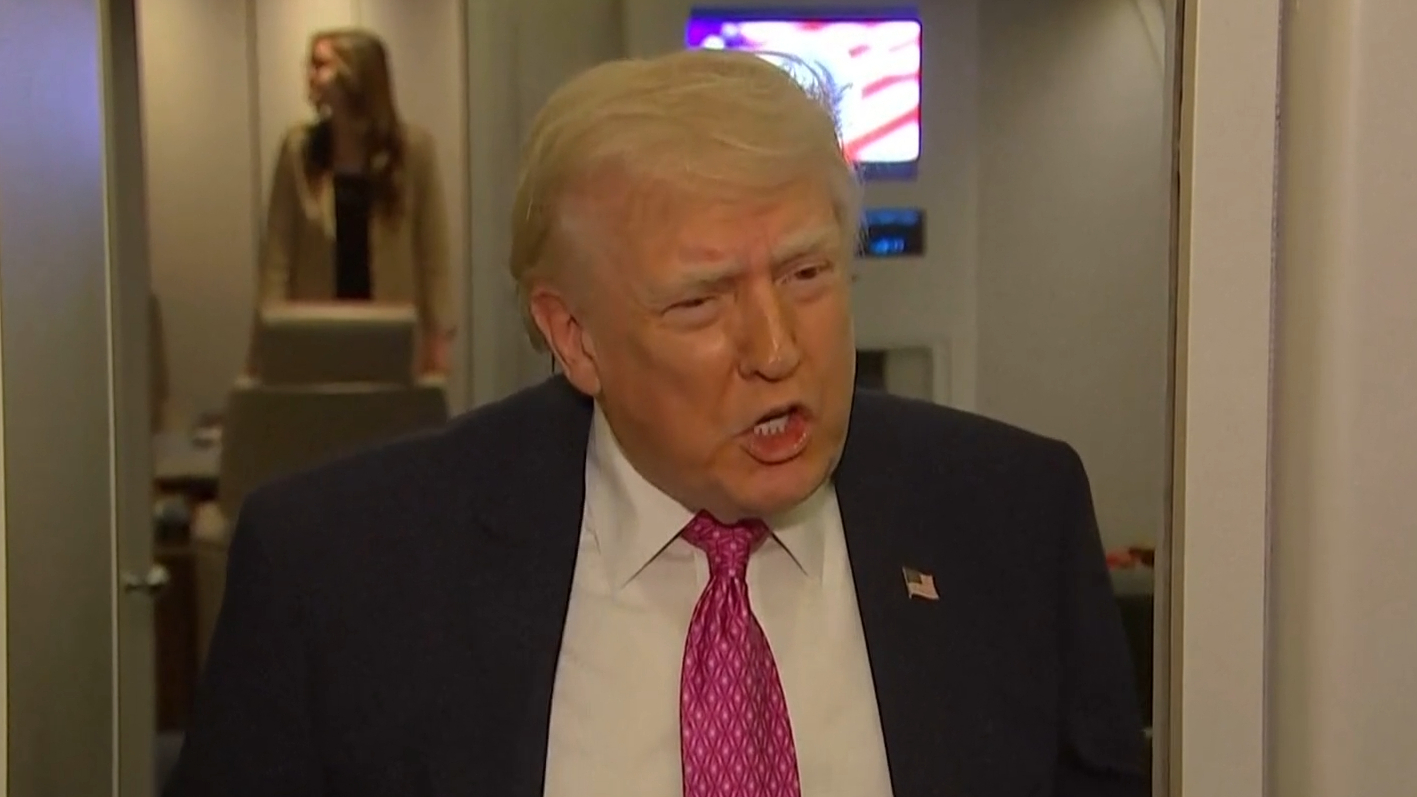
The global financial markets have been experiencing a peculiar form of optimism recently, largely fuelled by pronouncements from then-US President Donald Trump hinting at a potential de-escalation in tensions with Iran. However, each time the President suggested that peace talks were underway with Iranian leadership, Tehran has consistently offered a starkly different narrative. This discrepancy has led market analysts to observe a fundamental imbalance in these supposed diplomatic overtures, highlighting that such negotiations typically require mutual participation and agreement.
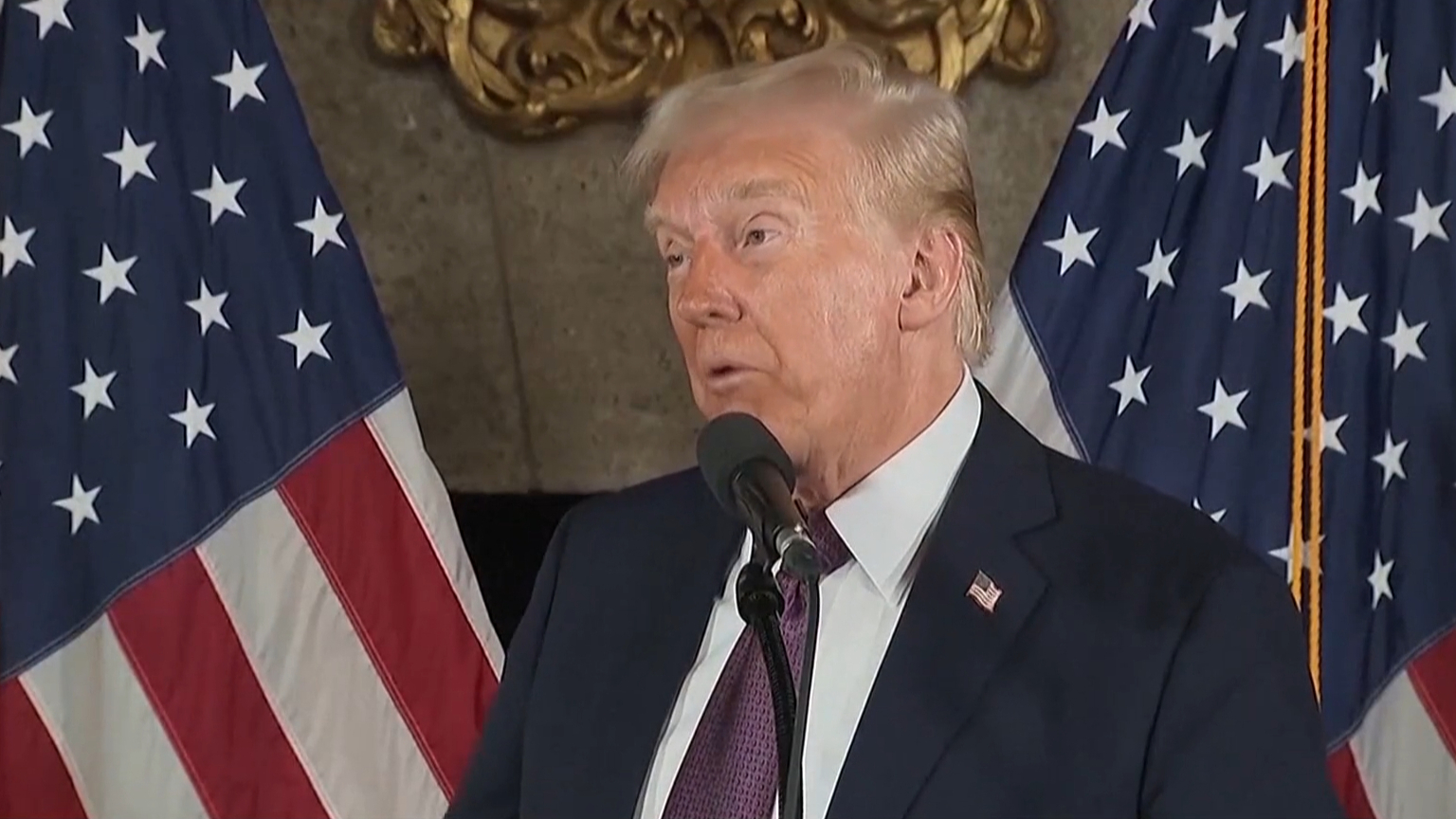
The prevailing sentiment on Wall Street appears to be that the markets are reacting to the possibility of a resolution, rather than any concrete evidence of one. This has led to a pattern where positive market movements often coincide with Trump’s public statements about peace, only to be met with contradictory remarks from Iran. This dynamic has prompted a closer examination of the President’s negotiation tactics and their impact on global economic stability.
The “TACO” Phenomenon: Trump’s Negotiation Style
Market observers have developed a rather colourful acronym to describe a recurring pattern in Donald Trump’s approach to complex negotiations and international disputes: TACO, which stands for “Trump Always Chickens Out.” This phrase is rooted in his history of making bold pronouncements, imposing tariffs, initiating government shutdowns, and issuing threats against various nations, only to later backtrack when faced with significant opposition or adverse economic consequences.
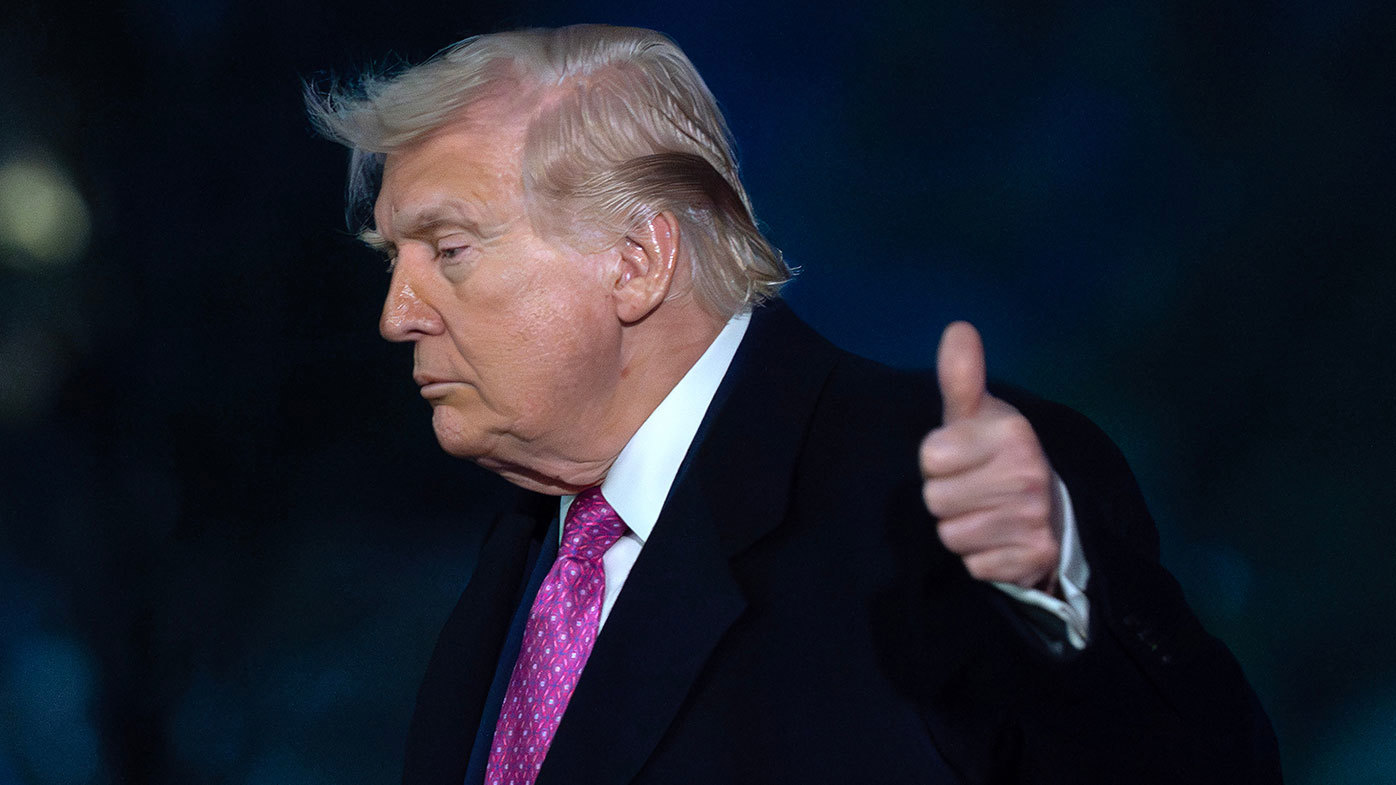
Examples cited include his stances on trade tariffs, his protracted government shutdowns, and his assertive rhetoric towards countries like Greenland, Canada, and Panama. In many of these instances, the initial aggressive posture was ultimately softened or abandoned in the face of economic headwinds or strong political pushback. This pattern has led to a degree of predictability, where investors have sometimes anticipated a reversal from the President’s initial hardline positions.
However, the situation with Iran presents a significantly more complex and volatile scenario, making the application of the simple “TACO” theory less straightforward. The deep-seated geopolitical animosities and the high stakes involved mean that a simple rollback of aggressive stances may not be as readily achievable or as predictable.
Conflicting Statements and Market Reactions
In a recent instance, President Trump stated that the United States had been engaged in communications with Iran’s parliamentary speaker, Mohammad Baghar Ghalibaf. He posted on the social media platform Truth Social, asserting that the US was in “serious discussions with A NEW, AND MORE REASONABLE, REGIME to end our military operations in Iran.”
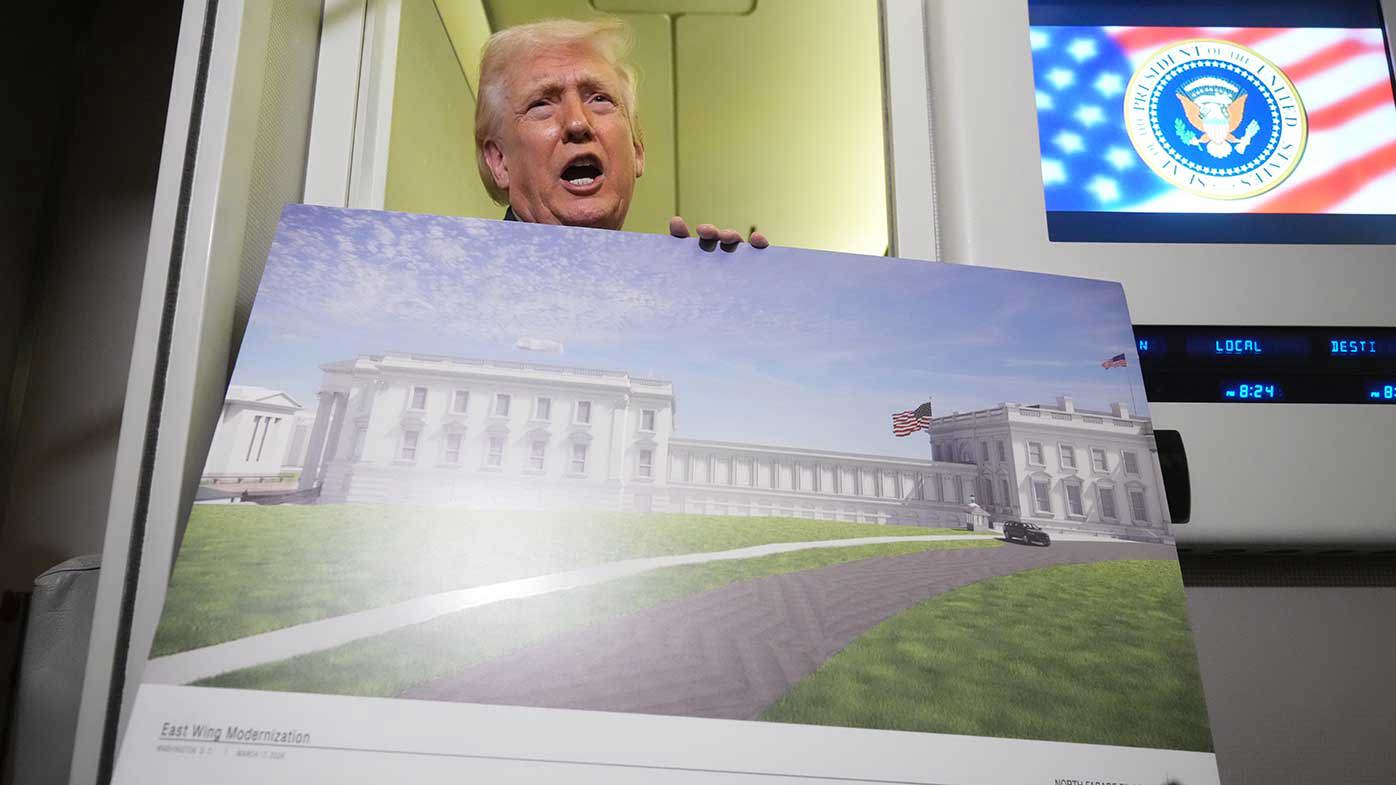
This statement, intended to signal a potential breakthrough, was swiftly and unequivocally refuted by Ghalibaf. He countered that “The enemy promotes its desires as news while threatening our nation at same time. Big Mistake.” Ghalibaf further elaborated, suggesting that investors should adopt a contrarian approach to Trump’s pronouncements. He advised, “Basically, it’s a reverse indicator. Do the opposite: If they pump it, short it. If they dump it, go long.” This advice implies that any positive market reaction to Trump’s statements about Iran should be viewed with extreme skepticism, and potentially as an opportunity to bet against the perceived positive trend.
Despite Ghalibaf’s clear rebuttal, the markets did not immediately adopt his “reverse indicator” strategy. Following Trump’s comments, the Dow Jones Industrial Average experienced a notable surge, indicating that a significant portion of the market was still reacting positively to the idea of de-escalation, regardless of the conflicting information.
Predictive Tools and Regional Instability
Recognising the market’s sensitivity to these fluctuating signals, financial institutions are developing tools to navigate this uncertainty. Deutsche Bank, for instance, has created a “stress index” designed to predict when investors might anticipate a strategic shift from the US government. Maximilian Uleer of Deutsche Bank explained that an increase in this index suggests a higher probability of the government making a strategic adjustment. The index’s deterioration across four key “pain points” simultaneously is seen as a strong motivator for such an adjustment.
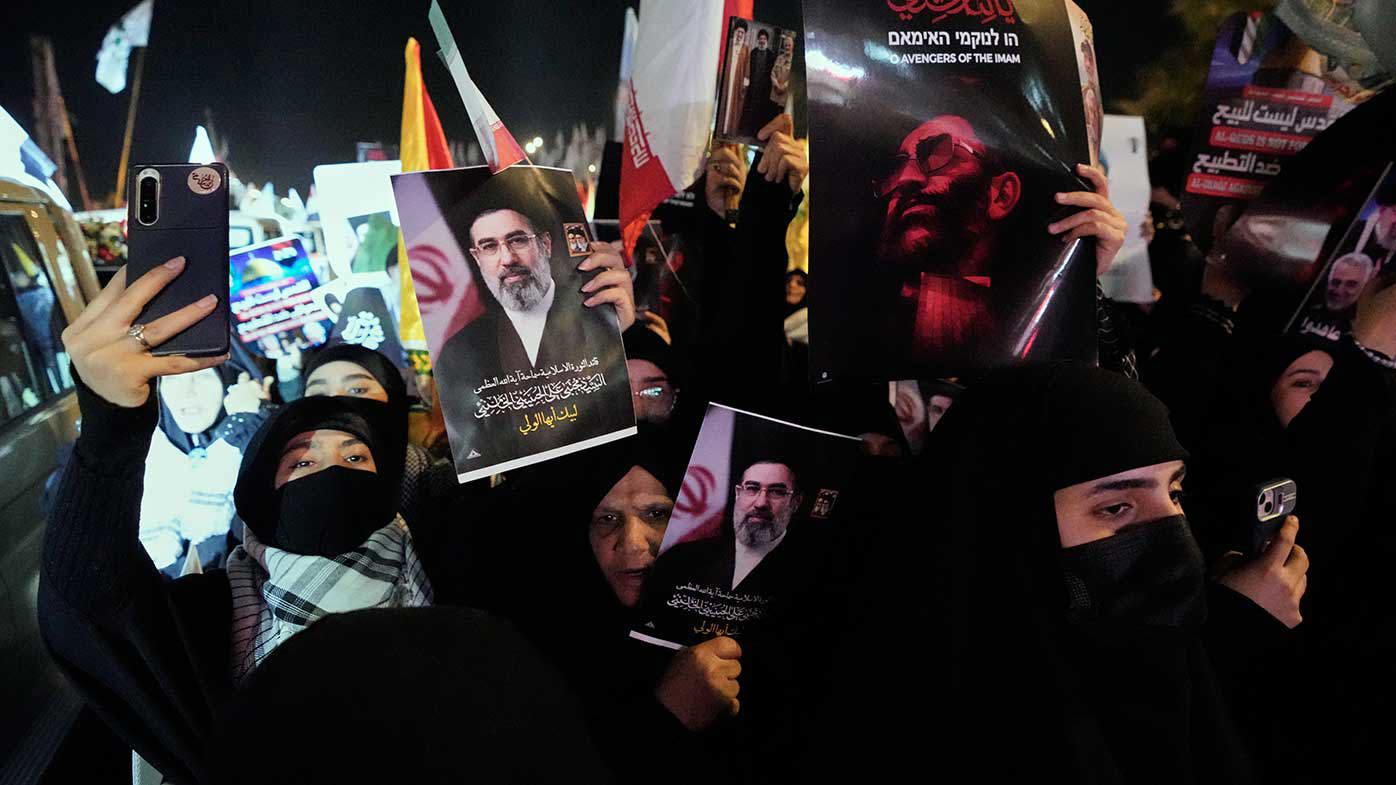
However, even if President Trump were to actively pursue a de-escalation of tensions with Iran, it does not guarantee an immediate cessation of hostilities or a stable peace in the region. The underlying complexities and proxy conflicts often mean that direct diplomatic breakthroughs do not translate into an instant resolution of all regional issues.
Ongoing Tensions and Strategic Moves
Recent events underscore the persistent volatility. An oil tanker was struck off the coast of the United Arab Emirates, an incident widely presumed to be the work of the Iranian military. This event occurred concurrently with reports of an Iranian parliamentary panel approving a measure to establish a de facto toll booth system in the Strait of Hormuz.

If this proposal is codified into Iranian law, it would require all oil tankers transiting this critical waterway to pay a substantial fee. The Strait of Hormuz is a chokepoint of immense global economic importance, with approximately 20 per cent of the world’s oil supply passing through its narrow confines in the Persian Gulf. The potential implementation of such fees adds another layer of economic and geopolitical uncertainty to an already fraught situation, demonstrating that the path to regional stability remains long and arduous, irrespective of pronouncements from any single leader.

