
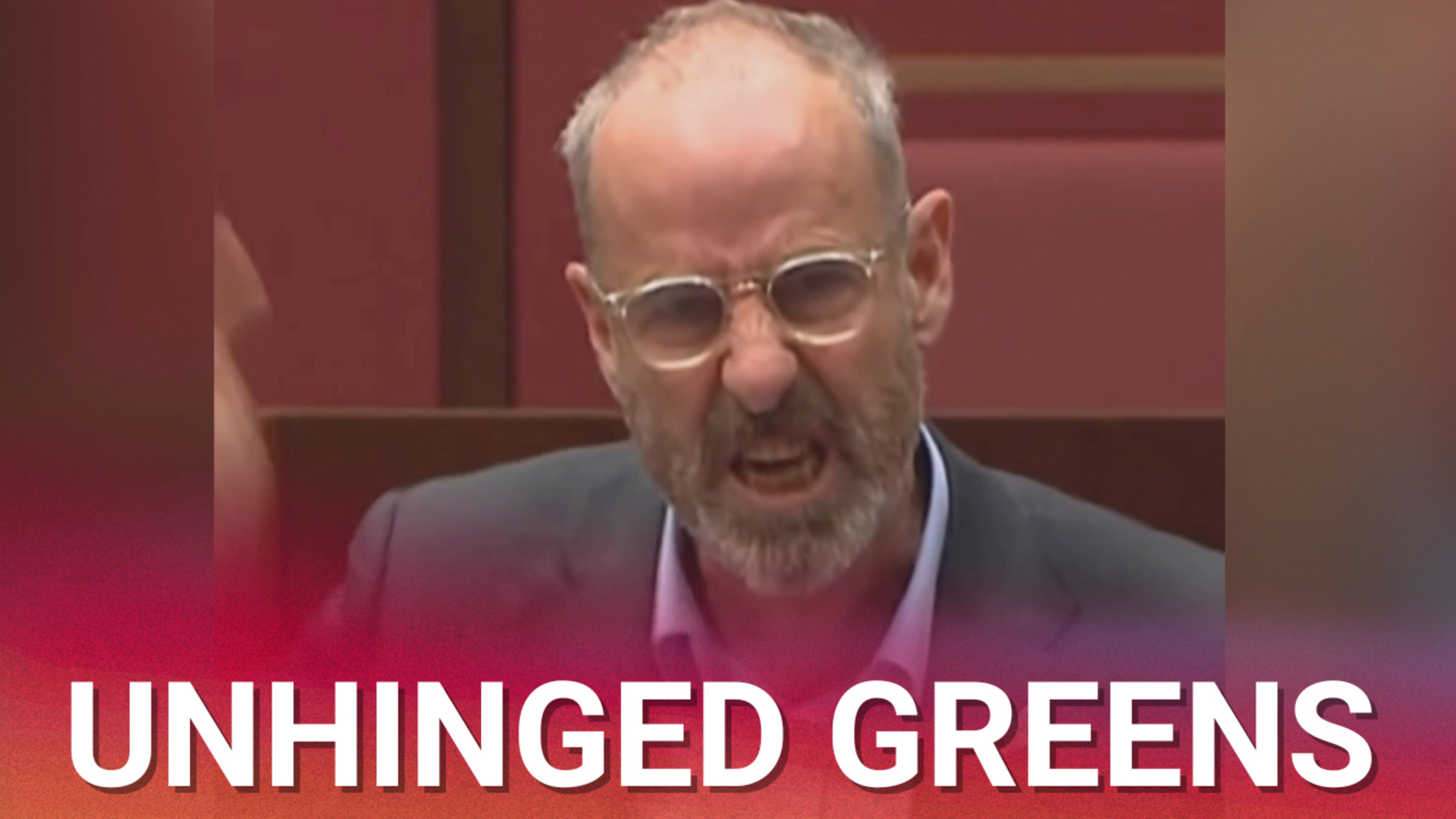
Outrage Erupts Over Senator’s Parliamentary Outburst: Media and Public Condemn “Unhinged Rant”
A recent parliamentary address by Greens Senator Nick McKim has ignited a firestorm of criticism, with prominent media figures and the public alike decrying the senator’s “defamatory” and “unhinged rant.” The clip, circulating widely online, has drawn sharp rebukes and sparked a broader conversation about the nature of political discourse and accountability.
Sky News host Rita Panahi was among the most vocal critics, labelling Senator McKim’s parliamentary performance a “rant” that was both “defamatory” and “unhinged.” Panahi articulated a sentiment echoed by many, suggesting a perceived hypocrisy within certain political factions. “The crybullies of the left love attacking their ideological opponents in the ugliest manner but are the first to cry victim if they cop any criticism back, no matter how deserved,” she stated, highlighting a perceived double standard in how criticism is both delivered and received.
The senator’s outburst has not been an isolated incident, according to critics. Panahi pointed to a “rich history” of Senator McKim engaging in what she described as “spewing venom in parliament.” This behaviour, she noted, has often occurred under the protective umbrella of parliamentary privilege, a concept that allows elected officials to speak freely without fear of legal repercussions for statements made in the course of their duties.
The use of parliamentary privilege in such instances has become a focal point of the controversy. Critics argue that while privilege is intended to facilitate robust debate, it should not be exploited to shield personal attacks or unsubstantiated claims. The perceived lack of consequence for such rhetoric has led to accusations of it being a convenient shield for inflammatory language.
The reaction online and in public commentary has been overwhelmingly negative. Many observers have expressed dismay at the tone and substance of Senator McKim’s remarks, with terms like “disgraceful,” “unacceptable,” and “embarrassing” frequently appearing. The incident has reignited debates about the standards of behaviour expected from elected representatives and the impact of aggressive political rhetoric on public trust and the democratic process.
Key Criticisms Leveled Against Senator McKim’s Address:
- Defamatory Content: Accusations that the senator’s statements contained defamatory material, potentially harming the reputation of individuals or groups without sufficient evidence.
- Unhinged Tone: Descriptions of the senator’s delivery as overly aggressive, irrational, and lacking in reasoned argument.
- Abuse of Parliamentary Privilege: Concerns that the senator may have used parliamentary privilege to make attacks that would be legally actionable outside of parliament.
- Perceived Hypocrisy: A belief that the senator, and those with similar political leanings, are quick to criticise others but intolerant of criticism directed at themselves.
- Lack of Substance: A general sentiment that the “rant” lacked coherent policy proposals or constructive contributions to parliamentary debate.
The broader implications of such exchanges are significant. When political discourse descends into personal attacks and inflammatory rhetoric, it risks alienating voters, discouraging participation in the political process, and eroding the credibility of institutions. The incident serves as a stark reminder of the importance of maintaining respectful and substantive debate in parliament, even when addressing contentious issues.
The controversy surrounding Senator McKim’s parliamentary address underscores a growing concern among the Australian public about the quality of political debate. While robust disagreement is a cornerstone of democracy, the line between passionate advocacy and unproductive, potentially harmful, rhetoric can become blurred. This incident has prompted many to call for greater accountability and a renewed focus on respectful engagement within the political arena. The fallout from this particular “rant” is likely to be felt, prompting further discussion on the ethical responsibilities of elected officials and the impact of their words on the broader societal conversation. The concept of “moral equivalence,” as described by Panahi, suggests a failure to uphold consistent standards of conduct, a point that resonates with a public increasingly weary of what they perceive as partisan bickering over substantive policy.


