Rethinking Health Metrics: Why Waist-to-Height Ratio Outperforms BMI
For decades, Body Mass Index (BMI) has been the go-to metric for assessing an individual’s weight category. However, emerging research suggests that a simpler, more accessible measurement – the waist-to-height ratio – may offer a significantly more accurate picture of overall health and disease risk. Experts are increasingly advocating for this method, particularly for its ability to identify individuals with a dangerous accumulation of visceral fat.
The Limitations of BMI
BMI, calculated by dividing a person’s weight in kilograms by the square of their height in metres, has long been the standard for classifying weight categories, with a BMI over 30 typically denoting obesity. While widely used, BMI suffers from a critical flaw: it fails to distinguish between fat mass and lean muscle mass. This can lead to misinterpretations of an individual’s health status.
For instance, highly athletic individuals with significant muscle development might register a BMI over 30, leading to them being erroneously classified as obese. Conversely, older adults often experience a natural decline in muscle mass as they age. This can result in a lower BMI, even as their body fat percentage increases, masking a potentially deteriorating health profile.
“Older people tend to lose muscle when they age, and that means that their body fat percentage is actually higher, but their weight is still dropping, so BMI starts coming down, but actually they’re getting less healthy,” explains Dr. Laura Gray from the University of Sheffield. “Waist-to-height ratio, because it measures round your waist, is giving us a more accurate measurement of visceral fat.”
The Power of Visceral Fat Measurement
Visceral fat, the type of fat that surrounds vital organs in the abdominal cavity, is particularly insidious. Unlike subcutaneous fat, which lies just beneath the skin, visceral fat is metabolically active and has been strongly linked to an increased risk of serious health conditions, including heart disease, stroke, type 2 diabetes, and certain cancers.
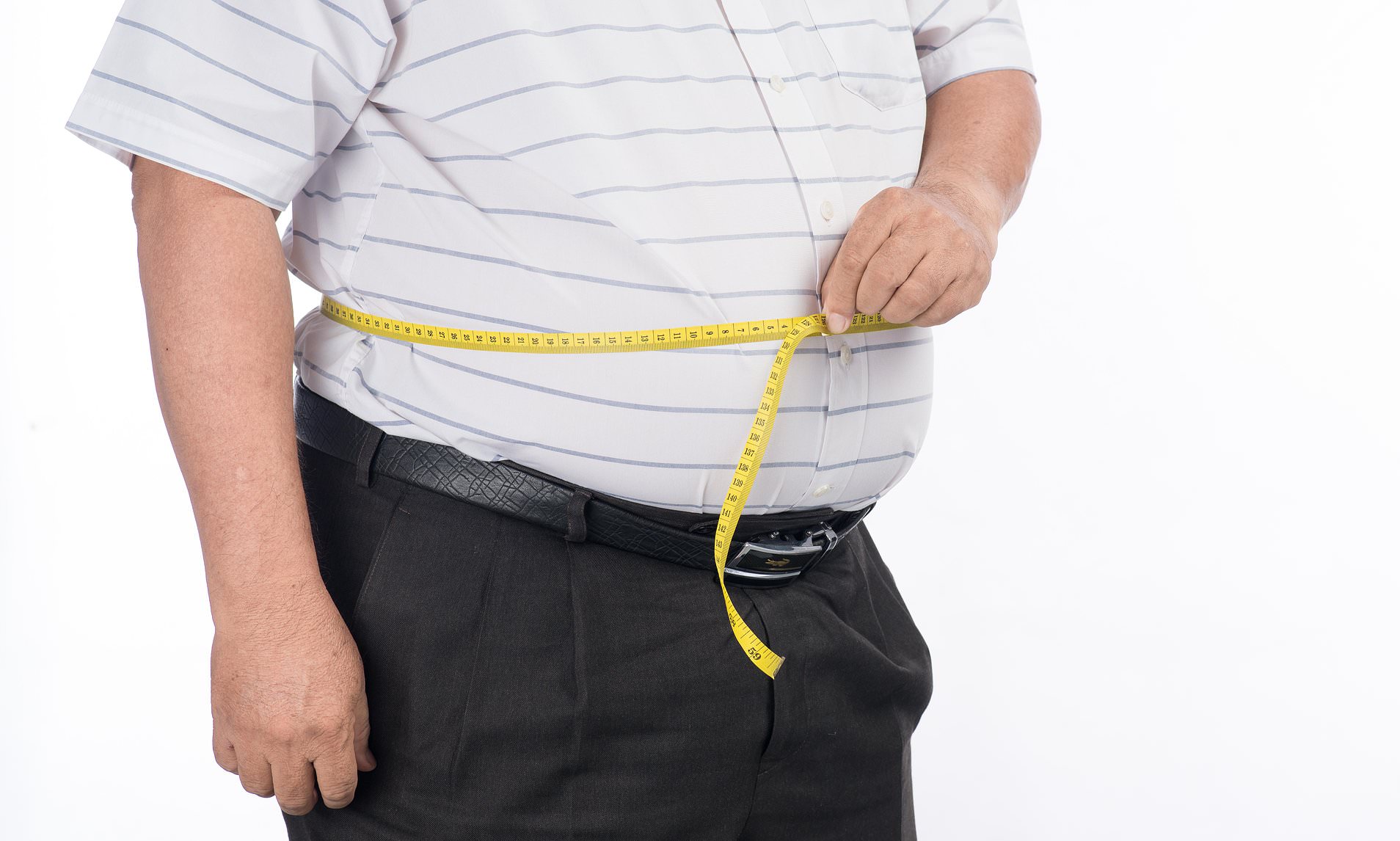
The waist-to-height ratio directly addresses this concern. By comparing the circumference of the waist to a person’s total height, this measurement provides a clear indication of how much fat is being stored around the abdominal organs. Experts suggest that maintaining a waist circumference that is less than half of one’s height is a strong indicator of a healthy weight and a reduced risk of health complications, especially for older adults.
A Practical and Accessible Tool
Beyond its superior accuracy, the waist-to-height ratio boasts significant advantages in terms of accessibility and cost-effectiveness.
- Affordability: A simple tape measure is considerably cheaper than a set of weighing scales, making it a more accessible health monitoring tool for a wider population.
- Simplicity: The calculation is straightforward – a division of waist circumference by height. This contrasts with BMI, which requires squaring the height measurement, a step that can be prone to error for some.
- Direct Measurement: Unlike BMI, which is an indirect calculation, the waist-to-height ratio provides a direct measure of central adiposity, a key indicator of metabolic risk.
Groundbreaking Research Supports the Shift
A significant study, published in the International Journal of Obesity, lends considerable weight to the argument for prioritizing the waist-to-height ratio. Researchers from the Universities of Sheffield and Nottingham analysed extensive data from the Health Survey for England, spanning from 2005 to 2021. Their findings underscore the limitations of BMI and highlight the superior predictive power of the waist-to-height ratio in assessing health risks.
The study also shed light on the broader determinants of obesity, suggesting that environmental factors play a substantial role in weight gain and health outcomes. This holistic view emphasizes the need for multifaceted approaches to public health initiatives.
Moving Beyond Traditional Metrics
The growing body of evidence suggests that it is time to re-evaluate our reliance on BMI as the primary health indicator. The simplicity, affordability, and, most importantly, the accuracy of the waist-to-height ratio in identifying individuals at risk due to visceral fat accumulation present a compelling case for its widespread adoption. As research continues to illuminate the complexities of human health, embracing more nuanced and effective measurement tools like the waist-to-height ratio could be a crucial step towards proactively managing and improving public well-being.
The implications of this shift are far-reaching, potentially impacting public health guidelines, clinical practice, and individual approaches to health monitoring. By focusing on the circumference of the waist in relation to height, individuals can gain a more precise understanding of their health status and take informed steps to mitigate their risk of chronic diseases.