
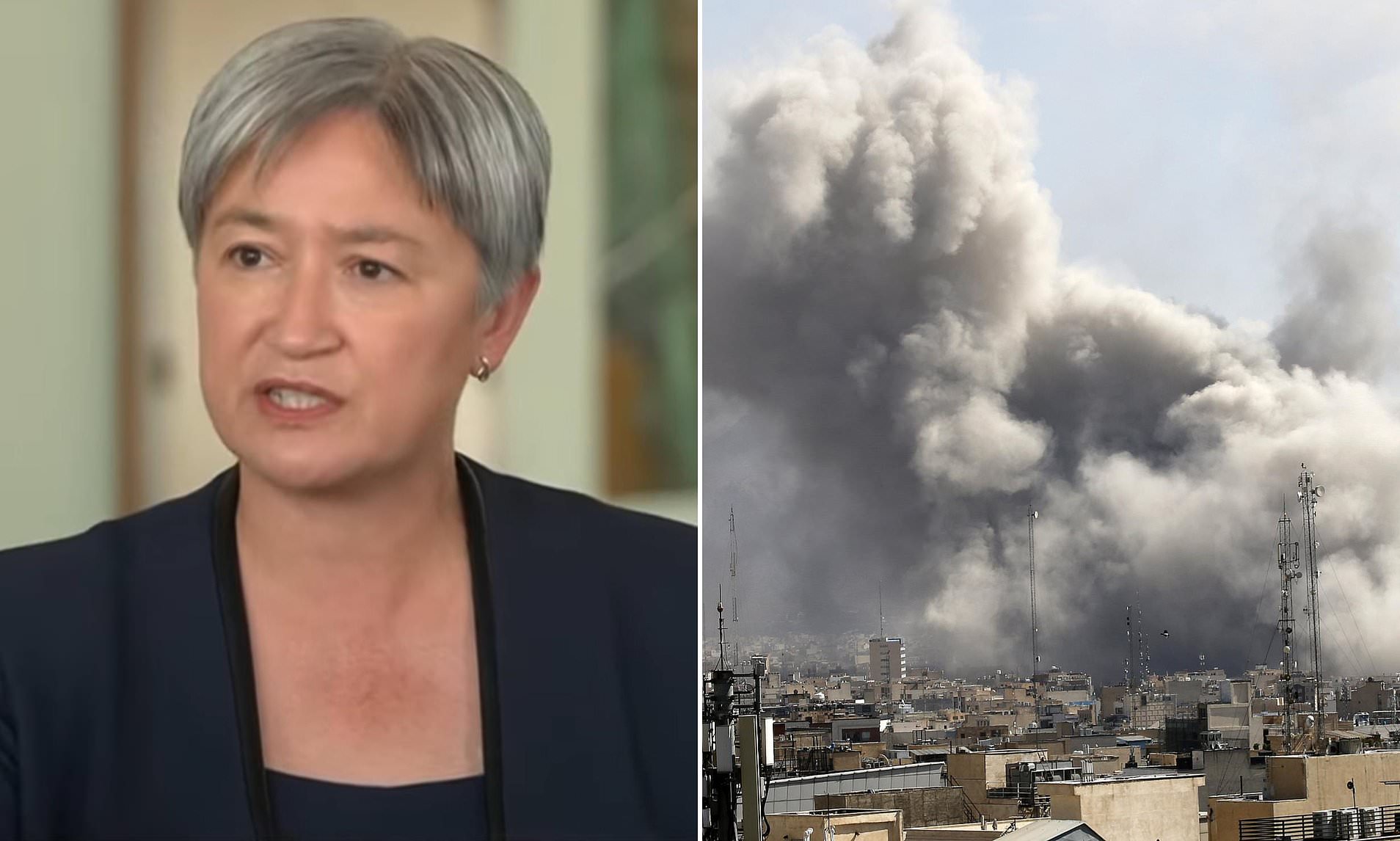
Australia Clarifies Stance Amidst Middle East Tensions, Foreign Minister Addresses Regional Instability
Canberra, Australia – Australia’s Foreign Minister, Penny Wong, has firmly articulated the nation’s position amidst escalating tensions in the Middle East, emphasizing that while Australia is not contemplating military deployment, it remains committed to global peace and security. During a press conference in Canberra, Minister Wong addressed a range of pressing issues, including the potential for Australian involvement in military actions against Iran and the legality of strikes in the region.
Minister Wong was direct in her response to queries about sending Australian troops to the Middle East, confirming that such a deployment is not under consideration. However, she declined to speculate on the legality of potential strikes by other nations, pushing back against interruptions from journalists.
“Excuse me. Please. I am running this press conference,” she stated firmly at one point, her voice rising as reporters spoke over each other.
She underscored that Australia does not possess all the intelligence pertaining to Iran and reiterated the government’s unwavering support for efforts aimed at preventing Iran from acquiring nuclear weapons and destabilizing the region.
“It is important to note this did not begin with the current strikes,” Minister Wong remarked. “We support action to prevent Iran from obtaining a nuclear weapon and to prevent Iran from continuing to be a risk to global peace and security.”
Minister Wong characterized Iran as a significant “risk to global stability,” citing its recent and widespread attacks across the region.
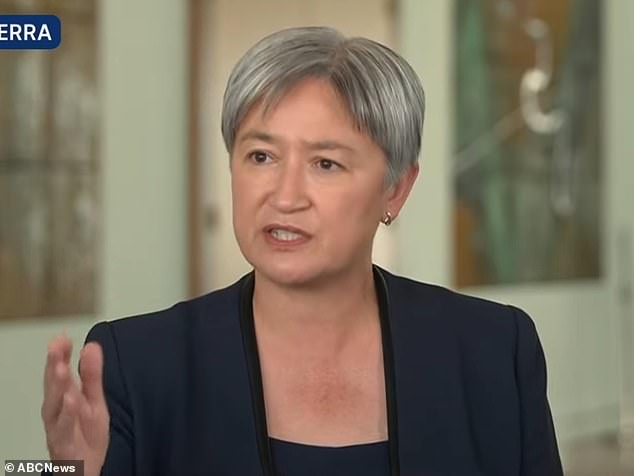
“In the last few days, Iran has attacked no fewer than 10 countries, including states that are not participants in this conflict,” she elaborated. “Can I remind all of you: Iran has also engaged in attacks on Australian soil against Australians.”
This assertion referenced two Iranian state-directed attacks that occurred on Australian soil in 2024, both of which were orchestrated through the Islamic Revolutionary Guard Corps (IRGC). Specifically, arsonists targeted Lewis Continental Kitchen, a kosher restaurant in Sydney, and the Adass Israel Synagogue in Melbourne was firebombed, resulting in one injury and an estimated $45 million in damages. ASIO’s investigations concluded that both of these antisemitic attacks were directed by the Iranian government, operating through local proxies. In response to these egregious acts, Australia took decisive action by expelling Iran’s ambassador, suspending its embassy operations in Tehran, and initiating proceedings to list the IRGC as a terrorist organization.
When pressed again on the legality of potential US-Israeli strikes, Minister Wong cautioned a reporter, stating, “I would be careful about the framing of that question.”
Travel Advisories and Support for Australians Abroad
Minister Wong also urged Australians currently in the Middle East to closely heed official travel warnings. She noted that the government had issued 41 advisories prior to the recent escalation of hostilities.
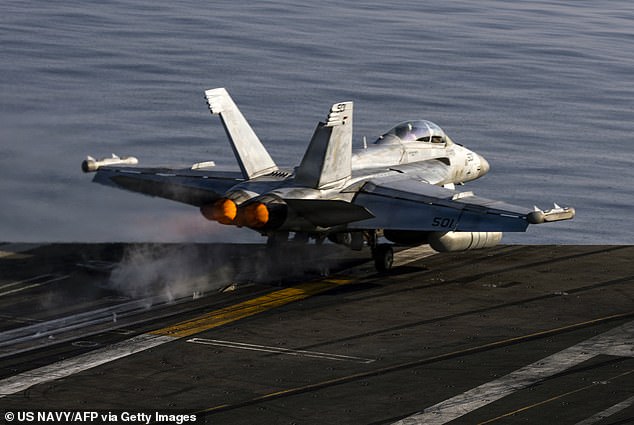
“What I would say to Australians is: please look at the travel advice. We are seeing something unprecedented in the Middle East,” she advised. “What we’re seeing now is affecting countries across the region, and it’s why we see travel disrupted in 70 countries.”
Acknowledging the distress caused to Australians in the Middle East by the cancellation and restriction of commercial flights, Minister Wong stated that the government is actively exploring alternative solutions.
“I understand how difficult this is and how distressed people must be. We are doing everything we can to enable people to leave. There are difficult days now, and there will be difficult days ahead,” she assured.
A commercial flight from Dubai to Sydney has since departed, expected to arrive late tonight, marking the first arrival from the region since services were significantly disrupted. Minister Wong emphasized that commercial flights remain the most efficient method for transporting large numbers of Australians out of affected areas.
“That’s why we are focusing on commercial options. The numbers are such that commercial means are the quickest way we can get people out,” she concluded.


