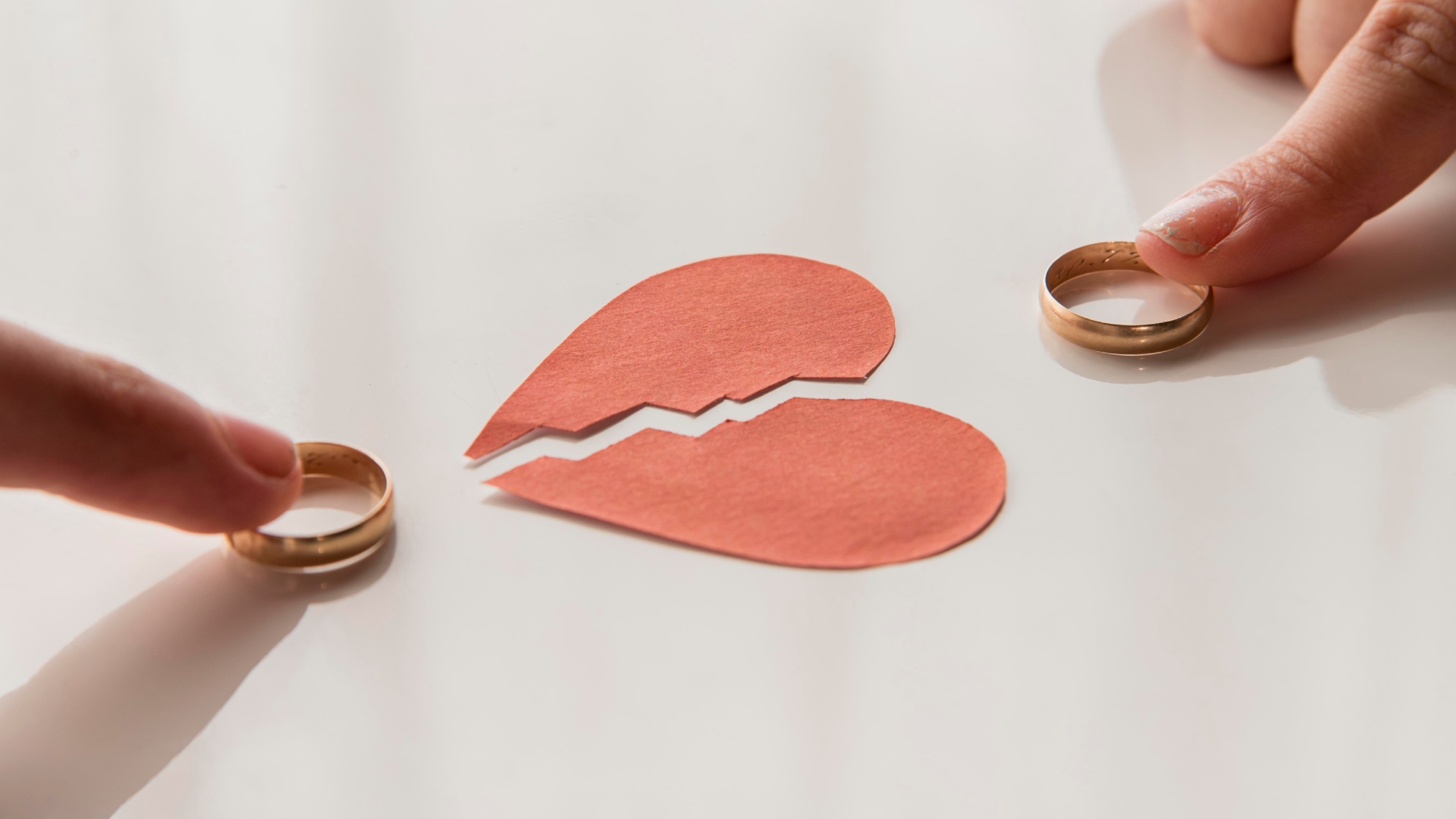
The Unvarnished Truth: Four Pillars of Marital Regret
The journey into marriage is often painted with the vibrant hues of romance, a cinematic ideal where we envision ourselves as the protagonists. We dream of the flowing white dress, the sparkle of the ring, the echoes of laughter, and the intimate breakfasts for two. Yet, as the credits roll on this romantic fantasy, the stark reality of bills, personality clashes, and those unnerving silences at the dinner table can intrude. For some, this grand adventure can devolve into a profound “why did I do this?” moment. A study commissioned by Eve and Co, and subsequently reported, has shed light on four key traits commonly observed in individuals who find themselves regretting their marital vows.
1. The Post-Wedding Blues: Waking Up from the Dream
Ah, the honeymoon phase. It’s a period of blissful perfection, a shimmering illusion that often shatters the moment it ends. Suddenly, you’re face-to-face with a person you’re truly discovering, stripped of the rose-tinted glasses. A significant portion of marital regrets stems from this stark post-wedding disillusionment, a gnawing feeling that the reality of couplehood bears little resemblance to the imagined ideal.
The transition can be jarring, from declarations of “I love you more than anything” to the mundane critique of “you chew too loudly,” often without any discernible buffer. It’s not that the love has vanished, but rather that it has transformed, demanding a different kind of nurturing – one built on time, patience, and a willingness to compromise. For some, this abrupt descent from euphoria is devastating. They come to the painful realization that they may have idealized their partner or the very concept of married life. The reality, a tapestry woven with household chores, minor disagreements, and the inevitable wear and tear of daily existence, proves to be far from a fairy tale.
2. A Leap of Faith Without a Safety Net: Impulsive “I Do’s”
Some unions resemble a skydiving expedition where the parachute was never checked. The intoxicating rush of love, overwhelming passion, societal pressure (“So, when’s the wedding?”), or even a deep-seated fear of solitude can propel individuals into saying “I do” without adequate forethought. And as the initial euphoria inevitably fades, the sobering truth emerges: you’ve taken the plunge, but without any semblance of a flight plan.
The study indicates that individuals who later express regret about their marriages often made their decision with undue haste, acting impulsively. This isn’t to suggest a lack of love for their partner, but rather an insufficient consideration of what a true, lifelong commitment truly entails. Marriage transcends a lavish celebration or a perfectly curated Instagram post. It is a profound emotional and practical partnership that necessitates clear-headed assessment and deliberate intention.
3. When Storms Reveal Cracks: Navigating Marital Tribulations
Life, as we know, is rarely a placid sea. Indeed, certain tempests can arise, capable of capsizing even the most stable of vessels. Financial crises, serious illnesses, job losses, the profound grief of bereavement, or the complexities of starting a family – these trials often serve as potent catalysts, revealing the inherent strength, or perhaps the underlying fragility, of a couple.
Individuals who regret their marriages frequently attest that these difficult periods exposed pre-existing flaws that had previously lain dormant beneath the surface of routine. When mutual support begins to erode, resentment can fester. If one partner feels isolated and unsupported during an ordeal, the very meaning and purpose of the marriage can swiftly dissipate.
4. The Shaky Groundwork: Lacking a Solid Foundation
This is perhaps the most pervasive reason for marital regret: a significant number of regrettable marriages were, in essence, constructed on unstable foundations. A potent physical attraction, a superficial sense of camaraderie, or even a shared objective, such as the desire to have children, can create a compelling illusion of enduring love. However, without the bedrock of genuine friendship, mutual respect, and a harmonized shared vision for the future, mere passion is unlikely to sustain itself in the long run.
As time marches on, the initial spark naturally dims. If nothing else emerges to fill that void – no enduring respect, no attentive listening, no shared moments of uninhibited laughter – the bond inevitably weakens. The marriage then risks becoming an empty frame, holding the visual remnants of a relationship, but devoid of its essential connection. It is important to note that this outcome is not predetermined.
The Inertia of Commitment: Why Stay When Regret Takes Root?
Interestingly, the study delves into the reasons why individuals might remain in marriages they regret. A substantial 41% of women, for instance, cite financial considerations as a primary reason for not divorcing. A further 38% express apprehension about social judgment, while 34% opt to stay out of habit or a sense of comfort. These statistics paint a clear picture: the presence of regret does not automatically equate to a separation. Many individuals choose to stay, sometimes driven by a sense of loyalty, other times by fear, and occasionally by a persistent hope that “things will eventually work out.”
It is crucial to state unequivocally that acknowledging regret is not an admission of failure. Instead, it signifies honesty, self-awareness, and a capacity for introspection. Marriage itself is not a guaranteed pathway to happiness, and experiencing marital difficulties is not a tragedy. Rather, it is an experience, often fraught with pain, but invariably rich with invaluable lessons.
In summation, marriage continues to be a step imbued with significant symbolic weight, frequently idealized in our collective imagination. However, it is not an endpoint in itself. Before uttering the all-important “yes,” it is wise to engage in earnest self-reflection, asking yourself, “Am I truly ready, and are my motivations sound?” For a commitment that is sincere, thoughtfully considered, and well-balanced is immeasurably more valuable than a marriage entered into impulsively.