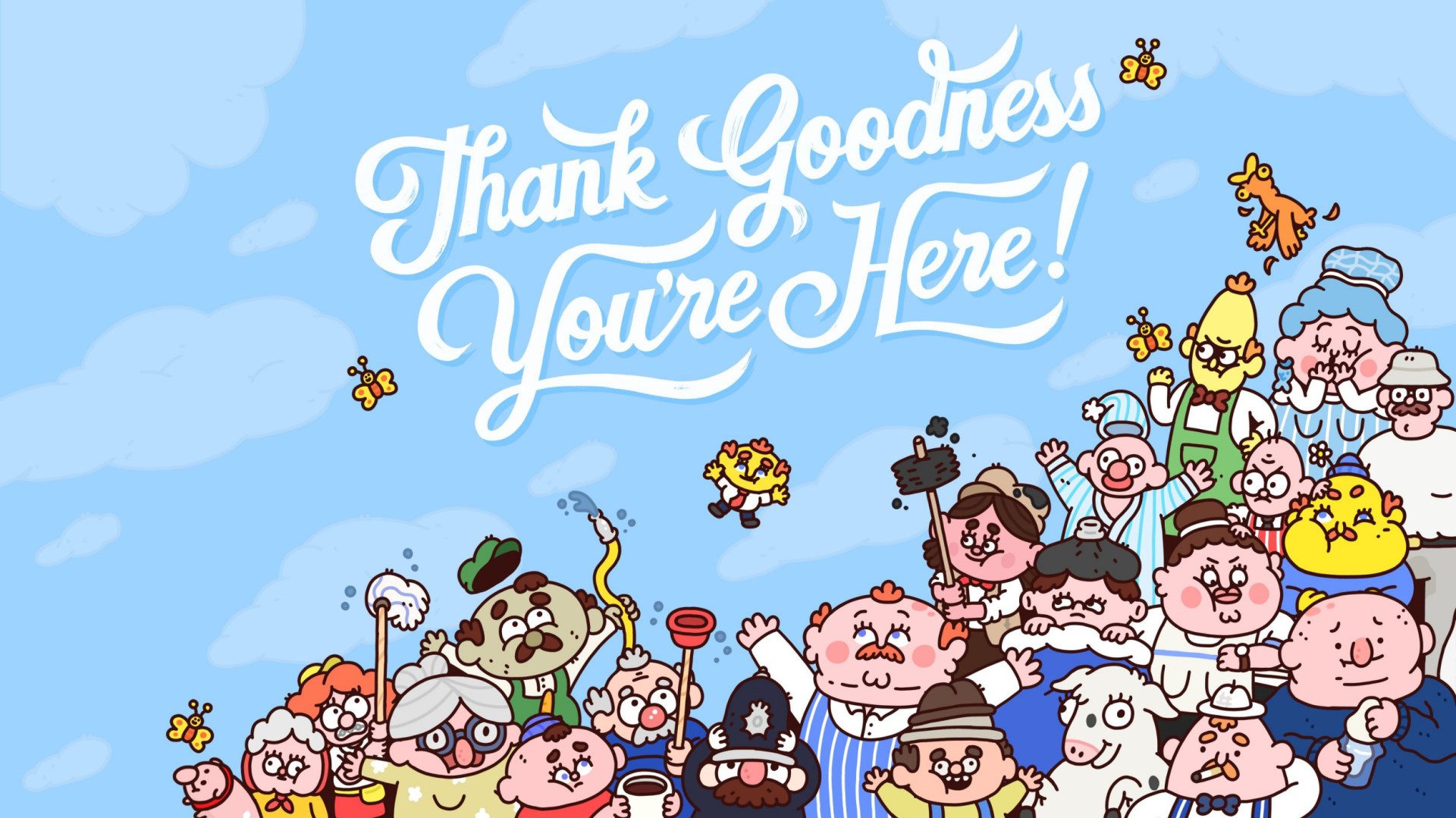
With so few modern video games that are identifiably British, a reader looks back at the industry’s glory days and the anomaly that is Thank Goodness You’re Here.
I should start by saying I grew up playing video games on the humble Spectrum 48K and have owned multiple consoles through each generation since. The video games industry has grown and matured alongside me and the 10-year-old me would be blown away by the size, scope, and quality of video games today.
Yet despite the huge worlds that can now be explored, the cinematic levels of production found in triple-A games, and the glistening 4K and 60fps images bombarding my eyes, something has been lost over the years. Something nuanced and intangible.
Back in the 1980s Britain was a pioneer of creativity in the early video game industry. There are numerous tales of influential industry figures of the time, who emerged from programming in their bedrooms. Entry to the industry felt accessible, like anyone could learn to program and create their own games to share.
Gaming magazines of the day allocated entire columns to type-in programs and Beginner’s All-purpose Symbolic Instruction Code (BASIC). This provided a relatively accessible starting point to spending hours entering lines and lines of code into your home computer, with the goal of creating simple games. These were often barely playable but the sense of creation, alongside the satisfaction of learning, was powerful.
Games of the time were incredibly rudimentary by today’s standards and very short (usually masked by crushing difficulty levels), but they could be produced much quicker and cheaper than we are used to today. British developers flourished.
Prominent studios emerged in Liverpool (Psygnosis, Imagine Software, and Bug Byte), Manchester (Ocean Software), Sheffield (Gremlin Graphics), Leicestershire (Ultimate Play the Game, who later evolved into Rare), and Banbury (Codemasters, now a subsidiary of Electronic Arts). This environment of accessibility and creativity, further encouraged through the memory and power limitations of the machines of the time, encouraged experimentation and variety.
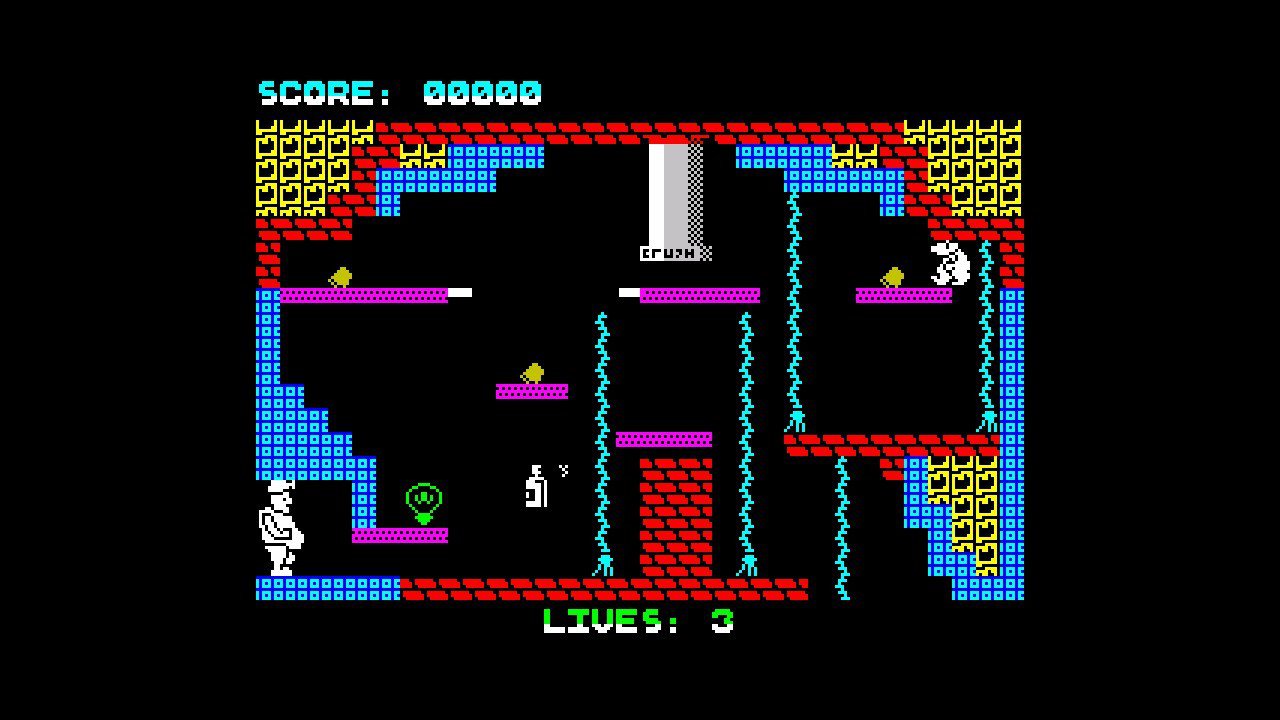
This resulted in a library of games that were able to take chances, as they didn’t have to appeal to everyone everywhere to have any chance of recouping development costs. What we got was character. Specifically, an unequivocally British tone and humour that I could relate to.
A game like Skool Daze (and its follow-up Back To Skool) evoked the sense of innocent mischief of navigating high school with water balloons and stink bombs, trying to sneak into the girls’ classes, writing rude messages on a blackboard, getting lines, and ultimately getting expelled. The games are considered pioneers of the sandbox genre. You know, the same genre as industry behemoth GTA 6.
Other titles took every day, mundane situations and made a game out of them. Pyjamarama had you searching a terrace house for the key to Wally Week’s clock, with the goal of avoiding oversleeping and getting fired from his job at the car factory. Wanted: Monty Mole was famously inspired by the miner’s strikes of 1984 to ‘85 and featured a character based on Arthur Scargill.
There’re no rose-tinted glasses here though. Many of these early games are barely playable today. Game mechanics have evolved so much that to go back to most 8-bit titles is too much of a culture shock. But my point is, for everything we gained, we also lost something along the way. Something I wasn’t even aware of until I played Thank Goodness You’re Here!
The reader’s features do not necessarily represent the views of GameCentral or .
You can submit your own 500 to 600-word reader feature at any time, which if used will be published in the next appropriate weekend slot. Just contact us at [email protected] or use our Submit Stuff page and you won’t need to send an email.
Comment now Comments Add as a Preferred Source on Google Add as preferred source
Sign up to ‘s GameCentral newsletter for exclusive analysis, latest releases, and bonus community content.