

Labour Minister Declares EU Re-entry “Inevitable,” Sparking Brexit Debate
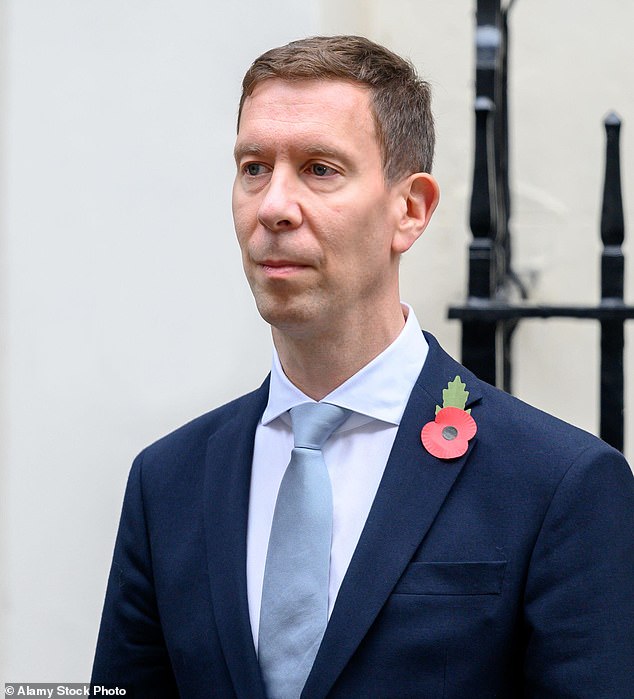
A senior minister within the Labour government has publicly declared that the United Kingdom’s return to the European Union is an “inevitability,” igniting concerns that the party may be shifting its stance on Brexit. Lord Spencer Livermore, a Treasury minister, has become the first serving minister to openly endorse the idea of overturning the 2016 referendum result that saw Britain leave the EU.
Speaking in the House of Lords, Lord Livermore stated, “Should we in due course re-enter the European Union? In my personal view that is an inevitability. Of course the UK will re-enter the European Union because it’s absolutely in our national economic interest.”
This sentiment is not isolated within the upper echelons of the Labour party. In recent weeks, prominent figures, including potential leadership challengers, have voiced increasingly favourable opinions towards closer ties with Europe. Former health secretary Wes Streeting has labelled Brexit a “catastrophic mistake,” asserting that Britain’s future “lies with Europe – and one day back in the European Union.” Similarly, Andy Burnham has expressed a desire for Britain to rejoin the EU “in my lifetime.”
These remarks appear to extend significantly beyond the commitments outlined in Labour’s 2024 manifesto, which explicitly ruled out any return to the EU’s single market and customs union, let alone full membership. While Mr. Burnham acknowledged he would not campaign on “rejoining the EU,” particularly in the context of the Makerfield by-election which voted to leave, the broader trend of discussion within the party is notable.
Lord Livermore himself prefaced his comments by clarifying they represented his “personal view,” distinct from the official party line. Nevertheless, these pronouncements are being interpreted as further evidence of growing divisions and potential challenges to Sir Keir Starmer’s leadership and control over government policy.
Lord George Bridges, the Conservative chair of the House of Lords economic affairs committee, commented to the Financial Times, “It’s a sign of how chaotic this government has become that ministers are now expressing their personal views on such a major issue.”
UK-EU Relations: Navigating the Path Forward
Further complicating the landscape, it was recently revealed that Michael Ellam, Britain’s chief negotiator in ongoing “reset” talks with the EU, had proposed aligning UK regulations with those of the EU to facilitate free trade in goods with the bloc. This proposal, part of the next phase of the government’s Brexit reset strategy, emerged shortly after the Prime Minister’s pledge to redefine the Labour government by “rebuilding our relationship with Europe, by putting Britain at the heart of Europe.”
Brussels’ response to these overtures is understood to have included suggestions that the UK consider joining the customs union or reintroducing freedom of movement – measures that were explicitly rejected in Labour’s 2024 General Election manifesto.
Adding another layer to the discussion, a senior EU figure has cautioned that the UK would need to embrace the Euro as a prerequisite for rejoining the bloc. Sandro Gozi, head of the EU-UK Parliamentary Partnership Assembly, has also indicated that the prospect of reinstating the rebate, which previously reduced annual contributions to the EU budget by approximately two-thirds, would be unlikely.
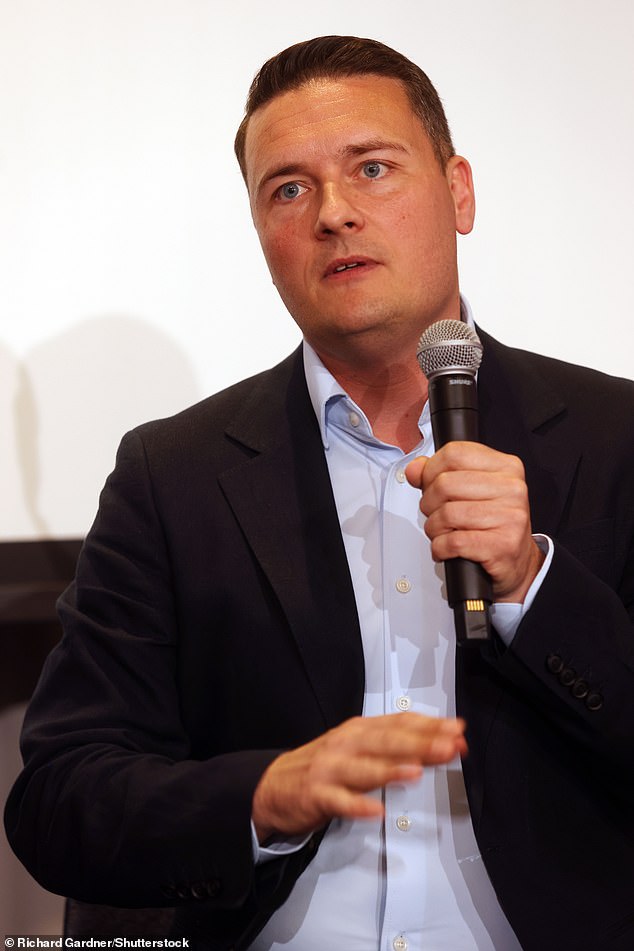
Mr. Gozi’s intervention is likely to fuel concerns that Brussels may be preparing to capitalise on any perceived desperation within the Labour party to restore closer ties. Sir Keir Starmer is reportedly aiming to unveil a significantly closer relationship with the EU at a summit scheduled for this summer. However, there are whispers that this summit, initially planned to coincide with the 10th anniversary of the Brexit referendum next month, might be postponed as Brussels awaits further developments regarding the UK’s political leadership.
The French MEP, Mr. Gozi, suggested to The Independent that the UK’s re-entry into the EU could potentially be expedited. He views such a move not as a victory for the EU over the UK, but as a “victory for Europe as a whole.” He elaborated, stating, “It could be done more quickly than for other candidate countries because there is the institutional memory there from when the UK was a member. And there is also already some level of alignment between the UK and EU.”
However, Mr. Gozi, who leads the delegation for the EU-UK Parliamentary Partnership Assembly, also issued a stern warning. He insisted that the UK would need to abandon its “obsession with carve-outs,” unequivocally stating that this would include joining the Euro.
In response to questions about whether Labour would compromise on free movement to achieve closer EU ties, cabinet minister Darren Jones previously stated, “We’re not abandoning them. We had very clear red lines in our manifesto and we will be sticking to them.” The Labour manifesto unequivocally ruled out rejoining the EU single market or customs union.


