

Unlawful Strip Searches at NSW Music Festivals: Mounting Pressure for Compensation
Authorities in Australia’s most populous state, New South Wales (NSW), are facing significant and growing pressure to address a series of compensation claims stemming from unlawful strip searches conducted on young people at music festivals. These deeply concerning incidents occurred between 2016 and 2022, and the state government is currently appealing a landmark court ruling that found police had routinely and unlawfully subjected festivalgoers to invasive searches, treating the practice as a standard policing tactic.
The NSW Supreme Court’s damning decision also highlighted serious deficiencies in police training and supervision surrounding these searches. This ruling has paved the way for potentially thousands of compensation claims, with the full extent of damages yet to be determined.
The Human Cost of Invasive Searches
One of the lead plaintiffs in the class action, Raya Meredith, who was subjected to a strip search at the Splendour in the Grass festival in 2018, was previously awarded $93,000 in compensation. Her case, and those of thousands of others involved in the class action, paint a disturbing picture of experiences at music festivals. Many allege they were compelled to undress and expose their bodies during police checks, describing the encounters as dehumanising and deeply traumatic.
A Sydney woman, who has chosen to remain anonymous, shared her harrowing experience with Yahoo News Australia. Years after being strip-searched at a festival in Sydney’s west, she stated the ordeal left her with lifelong trauma. “The way I was treated, the number of people that were there and watched me, I’ll never forget it,” she recounted. “It’s something that continues to rattle me, years later. It was dehumanising.”
Lawyers Urge NSW Government to Cease Appeals and Compensate Victims
Legal representatives for the affected individuals are urging the NSW government to abandon its appeals and focus on resolving the compensation claims. Jordyn Keating, an Associate in Class Actions at Slater and Gordon, argues that the government’s continued legal challenge is not about public safety or combating illicit substances, but rather about minimising financial payouts.
“This appeal is not about fighting drugs or saving lives,” Keating stated emphatically. “It’s about the State of NSW trying to pay less to Raya and the thousands of young people who were put through degrading and deeply invasive strip searches.” She highlighted that the court’s ruling represents a crucial acknowledgment for up to 6,000 individuals involved in the class action.
Keating stressed the fundamental right of young people to enjoy festivals without the fear of being subjected to strip searches. “Young people should be able to go to a festival without fearing that they will be ordered to strip naked or expose their bodies without a proper reason,” she said. “The court’s findings matter because they say, clearly, that this should never have become a routine policing tactic.”
She further emphasised the gravity of strip searches, classifying them as among the most invasive powers available to police. “Strips searches are amongst the most invasive powers police have, and parliament made clear they were only to be used in serious and urgent circumstances, and only then with strong safeguards to protect the human dignity of those being searched.”
Are Festival Strip Searches a Relic of the Past?
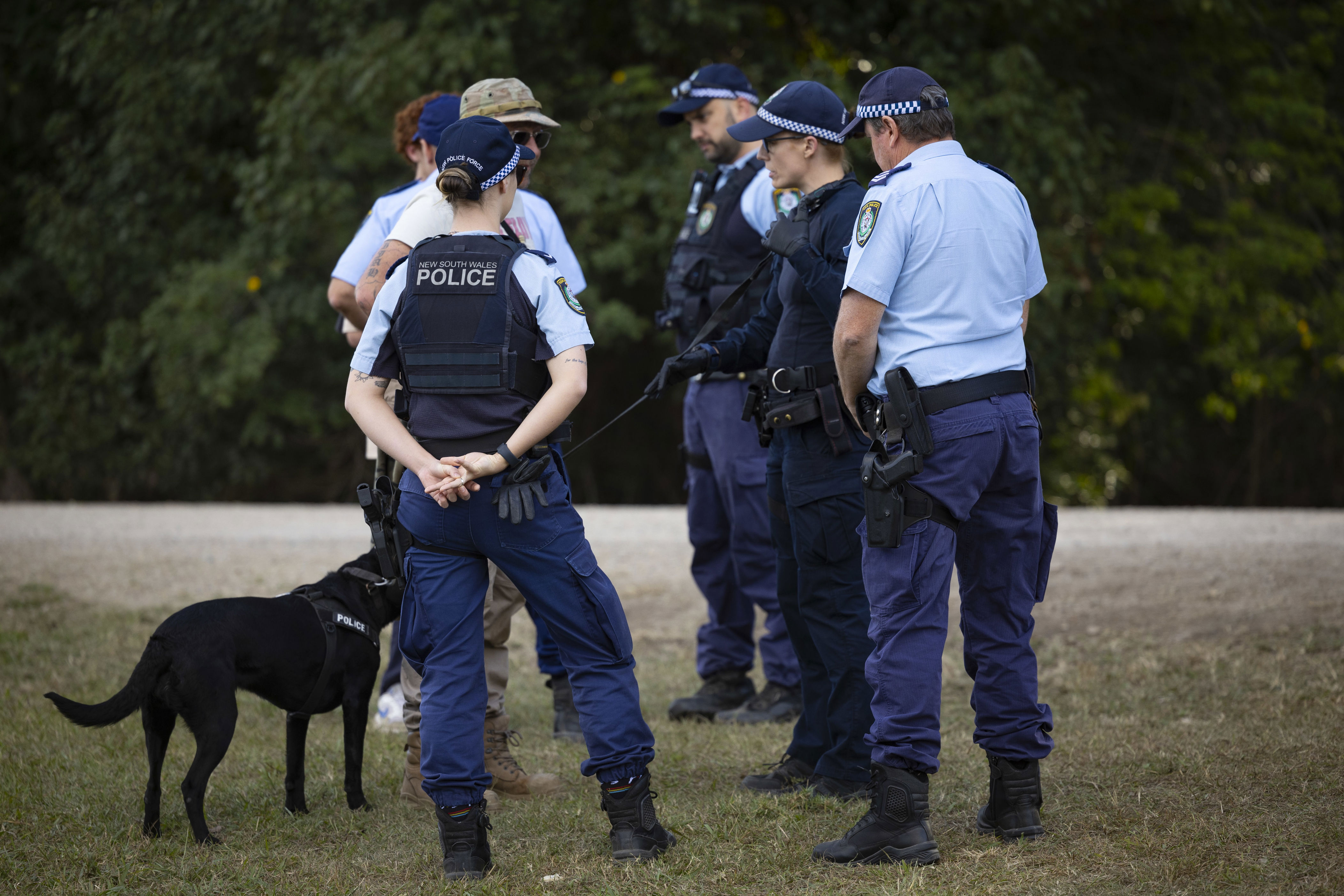
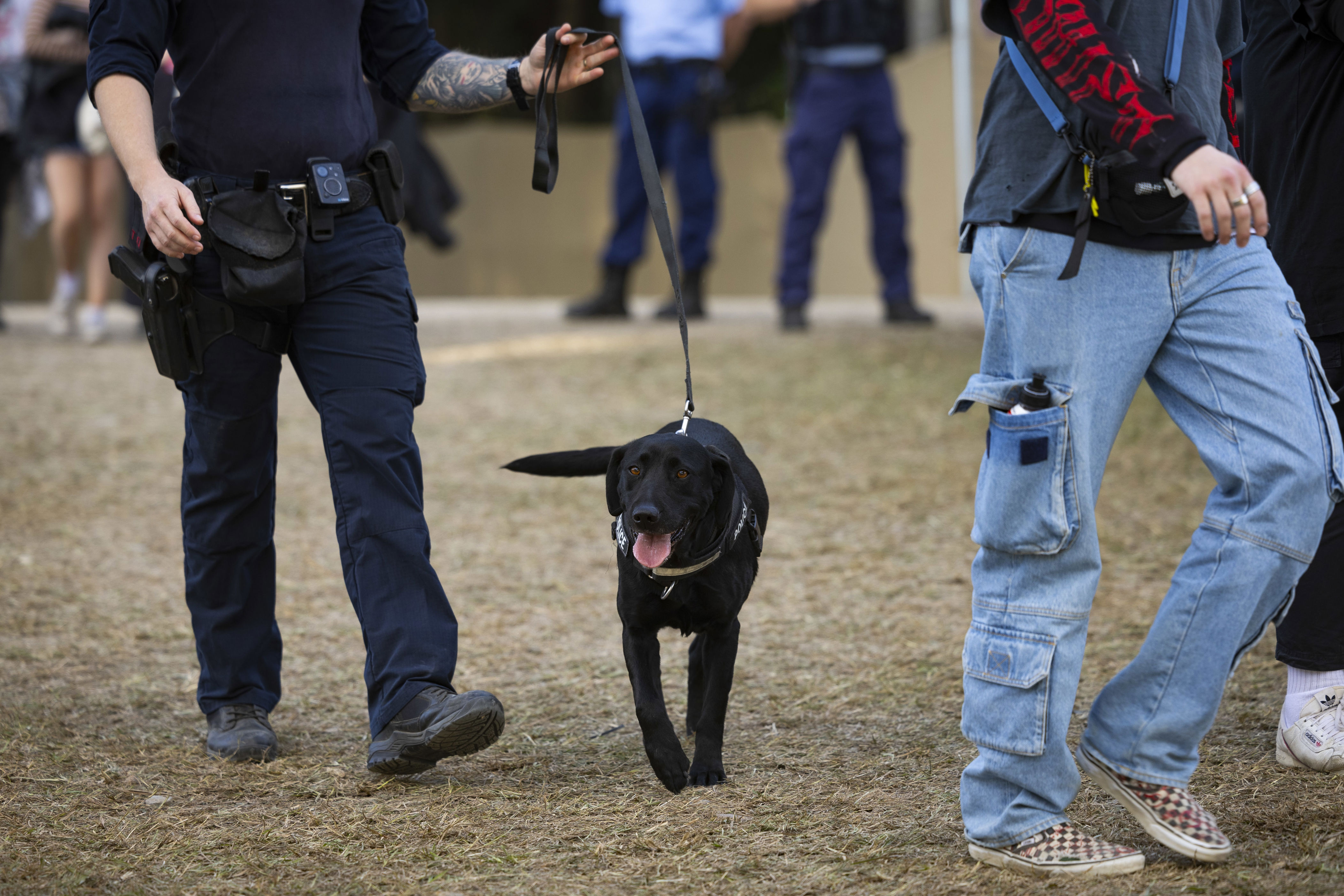
Recent shifts in festival policing suggest that the era of widespread, large-scale strip search operations may indeed be over. Superintendent Paul Dunstan informed a parliamentary inquiry that “the days of young people attending festivals and going through a gauntlet of police lined with drug dogs are behind us.”
While Keating welcomes these changes, she cautioned that they cannot erase the harm already inflicted. “But these changes can’t undo what happened to Raya and thousands of other young people,” she noted.

With the practice of extensive festival strip searches now seemingly curtailed, Slater and Gordon is advocating for a swift and fair resolution of the outstanding compensation claims once the government’s appeal process concludes.
“We don’t want to see NSW taxpayers burdened with further litigation once these matters are resolved, and the court system shouldn’t be clogged up with thousands of identical claims,” Keating urged. “This shameful chapter in policing history should be quickly and sensibly resolved, once the state’s appeal has been completed. The state should now focus on making this right, not on cutting back what it has to pay to the people it has wronged.”
NSW Police have been approached for comment but stated that as the matter is still before the courts, it would be inappropriate to provide a statement.


