
GB News Faces Backlash, Former Ofcom Chief Defends Editorial Stance
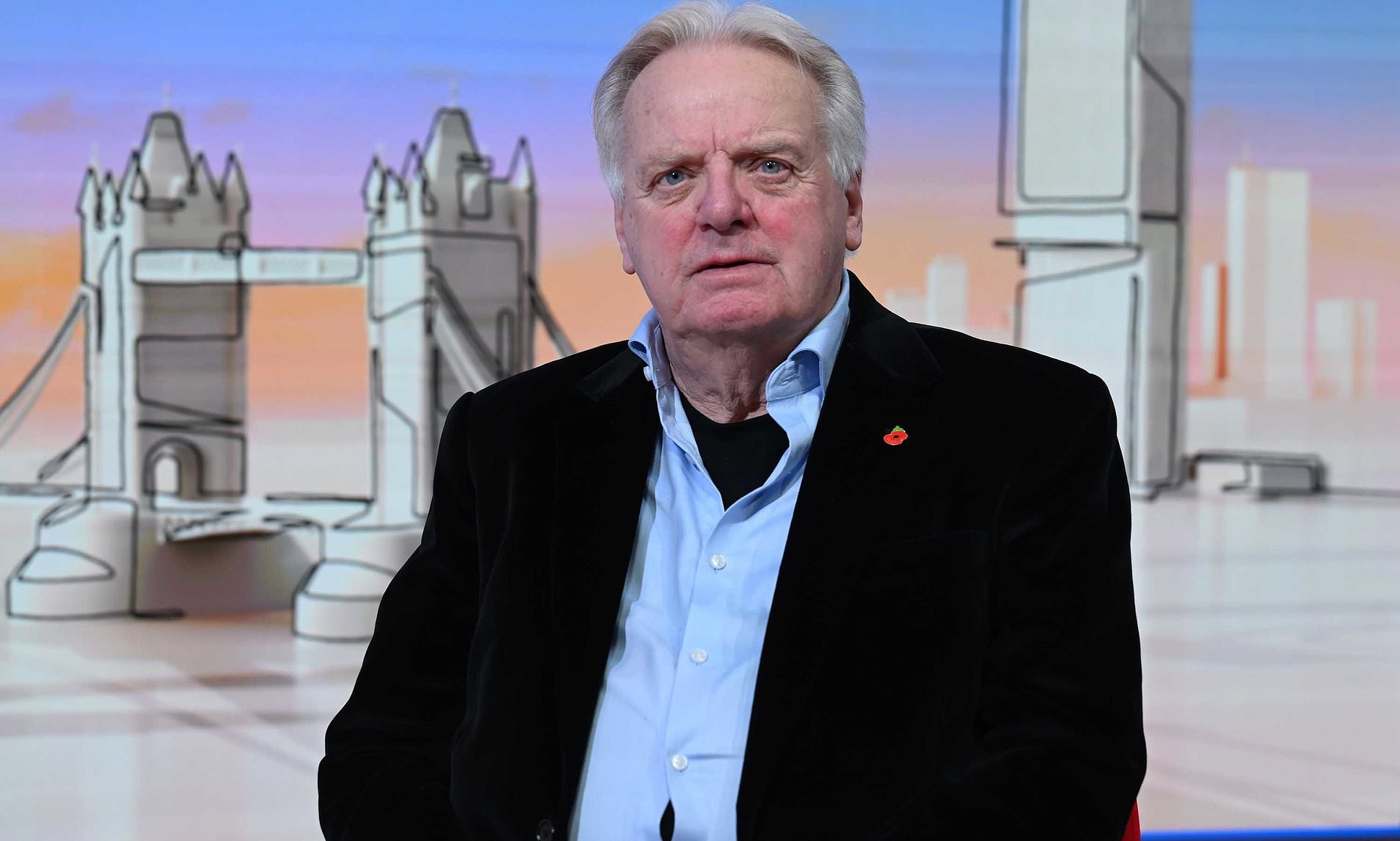
The former chairman of the UK’s media regulator, Ofcom, has voiced strong opinions regarding the criticism levelled against GB News, suggesting that rival broadcasters are “embarrassed” by the upstart news channel’s focus on issues that resonate with a significant portion of the electorate. Lord Grade, who concluded his tenure as Ofcom chairman in April and has since rejoined the Conservative Party in the House of Lords, argued that GB News is being unfairly scrutinised for daring to pursue a different editorial agenda.
Speaking to Politics Home, Lord Grade articulated his perspective: “I honestly think they’re embarrassed by the fact that there is a news organisation that has a different news agenda to them, that speaks to the agenda of the majority – if you look at the polls, a large swathe of the voting population, who have no voice on the BBC.” He pointed to specific policy areas as examples of this perceived disconnect. “Immigration, Brexit, these are all issues that don’t get the weight on the BBC, or haven’t been able to, that GB News will give, so what’s the problem?”
Concerns were indeed raised about Ofcom’s regulatory approach to GB News during Lord Grade’s leadership, which commenced in 2022. However, he maintained that the regulatory framework remained consistent for all broadcasters. “The same rules apply to GB News as apply to the BBC, Sky, ITN, whoever,” he asserted. Lord Grade emphasised that the very nature of news production involves a series of editorial decisions. “All news programmes are the result of editorial choices made all along the line. What story are we going to cover? How are we going to cover it? Who do we interview? What are we going to ask them…?” he elaborated.
He concluded this line of reasoning by stating, “Everything’s a choice, all the way up. [Just] because GB News make different editorial choices necessarily on each news day from the BBC, ITN or Sky doesn’t make it wrong.” This defence highlights the fundamental principle of editorial freedom within the broadcasting landscape.
The ongoing debate surrounding GB News underscores a broader discussion about media diversity and representation in Australia. As audiences become increasingly fragmented, the demand for news outlets that reflect a wider spectrum of viewpoints and address issues often overlooked by mainstream media continues to grow. GB News, with its stated aim of giving a voice to those who feel unheard, has tapped into this sentiment, positioning itself as an alternative to established broadcasters.
The Editorial Tightrope: Balancing Public Interest and Diverse Voices
The core of Lord Grade’s argument rests on the idea that a healthy media ecosystem thrives on a diversity of editorial perspectives. He suggests that the criticism GB News faces is not necessarily a reflection of regulatory breaches, but rather a discomfort with its alternative editorial choices. This perspective raises important questions for the Australian media landscape:
- What constitutes a “majority” viewpoint? Identifying and representing the views of a “large swathe” of the population is a complex task. Polls can offer insights, but they are snapshots in time and can be interpreted in various ways.
- The role of public broadcasters: Lord Grade’s comments imply that public broadcasters like the ABC may be failing to adequately represent certain segments of the population on key issues. This is a recurring debate in media policy, with questions often raised about the balance between catering to a broad audience and giving a platform to niche or dissenting opinions.
- Editorial freedom vs. responsibility: While editorial freedom is a cornerstone of democratic societies, it comes with the responsibility to adhere to broadcasting standards and regulations designed to ensure accuracy, fairness, and impartiality. The challenge lies in defining these boundaries and ensuring they are applied consistently.
The media landscape in Australia, much like in the UK, is constantly evolving. The rise of digital platforms and the changing consumption habits of audiences mean that traditional broadcasters are facing unprecedented competition. In this environment, channels like GB News, which aim to carve out a distinct niche by focusing on specific issues and perspectives, are likely to continue to emerge and attract a dedicated following.
The criticism directed at GB News, as highlighted by Lord Grade, is not unique. New media organisations often face scrutiny as they challenge established norms and editorial conventions. The ultimate test for any news organisation, regardless of its editorial stance, is its ability to maintain public trust by delivering credible and responsible journalism. Whether GB News can achieve this while maintaining its distinctive editorial voice remains to be seen, but the debate it has ignited is a valuable one for understanding the dynamic and often contentious world of news broadcasting.


