
Civil Servants Express Discontent: Survey Reveals Concerns Over Workload, Pride, and Pay
A recent internal survey has shed light on the morale and job satisfaction of civil servants, revealing significant levels of discontent regarding workload, pride in their roles, and remuneration. The findings suggest that a substantial portion of the “Whitehall blob” feels overwhelmed, undervalued, and less than enthusiastic about their careers in public service.
The survey, which polled workers across 102 major government departments and quangos, indicated that a considerable number of civil servants are struggling with their workload. Only 64 per cent of respondents felt their workload was “acceptable,” with more than a quarter reporting a poor work-life balance. This suggests that the demands of public sector roles are proving difficult to manage for a significant portion of the workforce, impacting their personal lives.
Financial satisfaction also appears to be a major concern. A mere four in ten (39 per cent) civil servants expressed satisfaction with their pay and perks, a figure that highlights a potential disconnect between employee expectations and the current compensation packages. Furthermore, only about two-thirds of respondents reported being “90 per cent to 100 per cent” productive, a metric that could be influenced by factors such as workload, motivation, and the perceived value of their contributions.
Beyond workload and pay, the survey delved into levels of pride and commitment. Just 58 per cent of civil servants felt “proud” of their respective departments, with the same proportion indicating they would recommend their department as a “great place to work.” This suggests a broader issue of engagement and a potential lack of connection to the organisations they serve. Less than half (48 per cent) reported a “strong personal attachment” to their organisation, and an equal percentage felt their organisation motivated them to achieve its objectives.
The desire to leave the civil service is also a notable concern. More than one in ten (12 per cent) indicated a wish to depart within a year, with a significant one in five of these citing “unmanageable workload” as the primary reason. This outflow of talent, particularly due to workload issues, could have long-term implications for the capacity and effectiveness of government departments.
These findings emerge against a backdrop of persistently low office attendance rates, with many civil servants continuing to work from home, and public sector productivity remaining below pre-pandemic levels, despite an increase in the overall number of civil servants.
Expert Reactions and Calls for Reform
The survey results have drawn sharp criticism from various quarters, with calls for significant reform within the civil service.
John O’Connell, chief executive of the TaxPayers’ Alliance, described the findings as indicative of a “rotten culture” in parts of the civil service. He argued that despite generous pay rises, unparalleled pensions, job security, and extensive leave entitlements, many bureaucrats remain dissatisfied. O’Connell advocated for a “root and branch overhaul” of Whitehall, focusing on creating a “much smaller, delivery-focused body.”

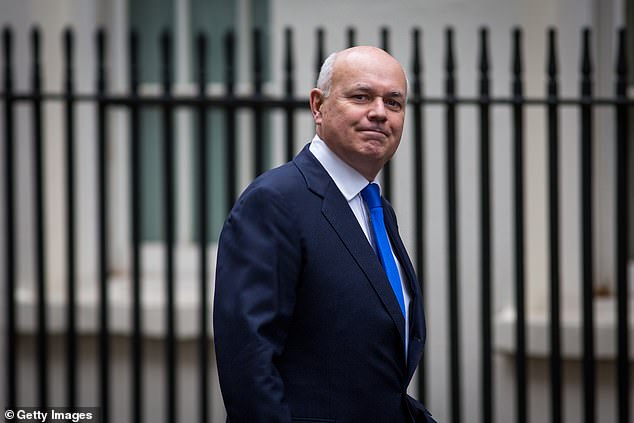
Former Tory leader Iain Duncan Smith echoed these sentiments, suggesting that civil service leadership has “pandered for too long” to the workforce. He observed that many civil servants are still working remotely, and called for leadership to mandate a return to the office. Duncan Smith emphasised the “highly privileged position” of civil servants, with career progression, pay, and perks that many in the broader population can only “dream of.”
Key Survey Findings at a Glance:
- Workload Concerns: Only 64 per cent found their workload acceptable, and over a quarter reported a poor work-life balance.
- Pay and Perks: Just 39 per cent were satisfied with their total benefits package.
- Productivity: Less than two-thirds (62 per cent) reported being 90-100 per cent productive, a decline from the previous year.
- Organisational Pride: Only 58 per cent were proud of their department and would recommend it as a workplace.
- Intent to Leave: 12 per cent plan to leave within a year, with workload cited as a key reason.
- Job Challenge: While 80 per cent felt sufficiently challenged by their work, this contrasts with the high workload complaints.
The annual Civil Service People survey, published discreetly, also revealed that one in five civil servants feel unchallenged by their work. This presents a seemingly contradictory situation where some feel overwhelmed by their workload, while others feel their roles lack sufficient stimulation.
The Civil Service headcount has seen a significant increase, growing from 384,000 before the 2016 Brexit referendum to 554,000 by September. In response to the survey’s findings and broader concerns, a Cabinet Office spokesperson stated that the Civil Service is recognised as a leading employer and remains focused on delivering taxpayer services. They affirmed a commitment to “fundamentally re-wiring the state,” leveraging technology to enhance efficiency, boost productivity, and eliminate waste. However, the persistent issues highlighted in the survey suggest that significant challenges remain in achieving these goals and improving the overall morale and effectiveness of the civil service.


