
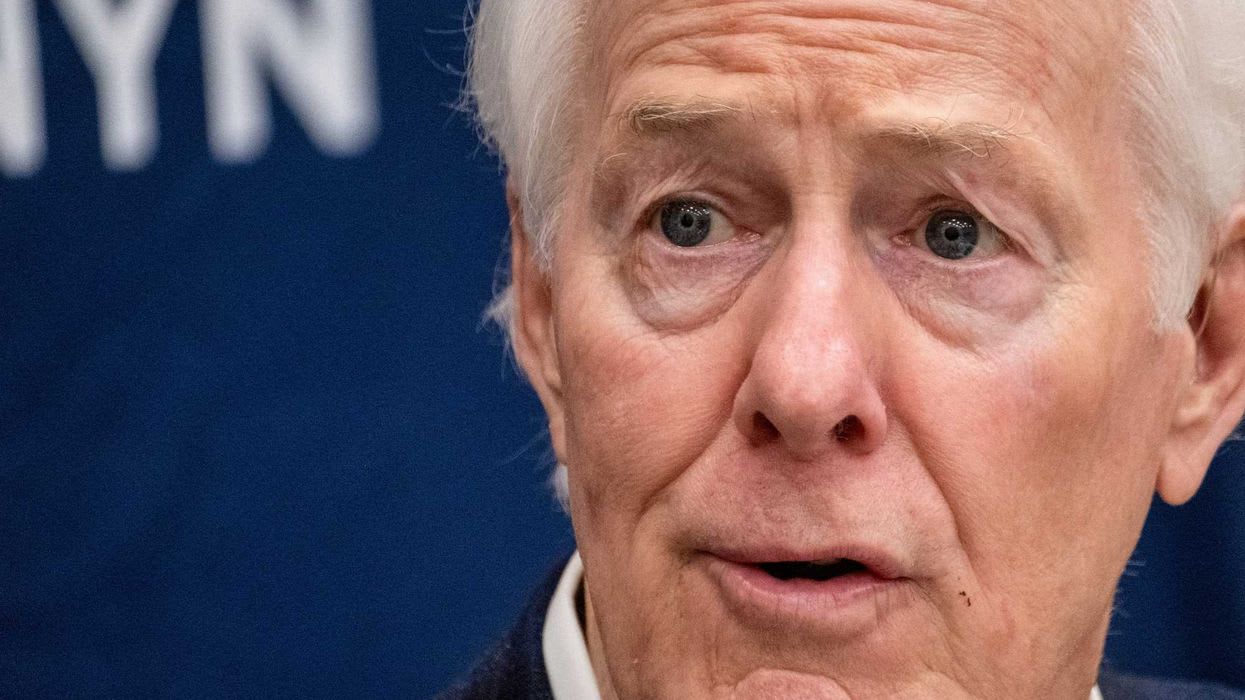
In a move that has sent ripples through the Texas Republican Senate primary, former President Donald Trump has cast doubt on the electoral strength of incumbent Senator John Cornyn. Speaking in a phone interview, Trump expressed uncertainty regarding Cornyn’s ability to hold onto the seat, particularly in the face of the Democratic nominee, James Talarico. When pressed on whether Cornyn represented the GOP’s best shot at retaining the seat, Trump responded with a notable lack of conviction, stating, “I’ve heard that. I don’t know. I mean, I don’t know. I don’t know that to be a fact.”
This equivocation from the former President marks a significant shift, as Senator Cornyn, a three-term incumbent, has been actively seeking Trump’s endorsement. The primary contest has intensified, with Cornyn facing a runoff election on May 26 against Texas Attorney General Ken Paxton. Both contenders have made concerted efforts to align themselves with Trump’s political agenda, with Cornyn even going so far as to alter his long-held stance on the Senate filibuster to better mirror Trump’s legislative priorities.
Despite his reservations about Cornyn’s viability, Trump indicated he holds positive views of both candidates. He asserted that he “likes both candidates” and expressed no concern about either losing to Talarico, confidently stating, “No, I think they both win.” However, his hesitant assessment of Cornyn’s electability suggests that the senator’s attempts to secure Trump’s crucial backing may not be enough to guarantee the coveted endorsement.
The current political landscape highlights a prevailing trend within Republican primaries: the overwhelming influence of Donald Trump’s favour. Candidates’ prospects are increasingly being gauged not by traditional metrics such as polling data or fundraising success, but rather by their perceived closeness to the former President’s approval. This reliance on Trump’s personal endorsement underscores his continued sway over the Republican base, shaping electoral outcomes in key contests.
The Texas Senate Race: A Deep Dive
The Texas Republican Senate primary has become a focal point for understanding the dynamics of Trump-era politics. With Senator Cornyn facing a stiff challenge from Ken Paxton, the race is not just about policy or experience, but also about who can best capture the attention and support of the former President.
Cornyn’s Strategy: Senator Cornyn, a seasoned legislator, has attempted to navigate the complexities of securing Trump’s endorsement by demonstrating loyalty and adapting his positions. His shift on the filibuster, a significant legislative tool, signals a willingness to compromise his own long-held principles for political expediency. This move, while potentially appeasing Trump, could alienate other segments of the Republican electorate.
Paxton’s Challenge: Ken Paxton, the Texas Attorney General, is also vying for Trump’s favour. His appeal to the base often resonates with a more populist and anti-establishment sentiment, which can be highly effective in a Trump-influenced primary.
The Trump Factor: The former President’s endorsement is widely seen as a game-changer in Republican primaries. Candidates understand that securing his backing can significantly boost their chances of victory. However, Trump’s unpredictable nature and his tendency to endorse based on personal loyalty rather than strategic advantage can create uncertainty for those seeking his support.
Broader Implications for the GOP
The situation in Texas is emblematic of a larger trend within the Republican Party. Trump’s influence continues to shape candidate selection and campaign strategies across the country.
Electability vs. Loyalty: The debate over Cornyn’s electability versus his loyalty to Trump raises questions about the party’s priorities. Should candidates focus on broad appeal and electability, or on demonstrating unwavering allegiance to the former President?
The Power of the Base: The unwavering support Trump commands from a significant portion of the Republican base means that candidates who can tap into that support often have a distinct advantage. This can lead to a focus on cultural issues and a more combative political style.
Future of the Party: As the Republican Party continues to evolve, the role of Donald Trump remains a central question. His ability to influence primaries and shape the party’s direction will be a key factor in its future success and its ability to win general elections. The outcome of the Texas Senate race will undoubtedly provide further insights into these ongoing dynamics.


