
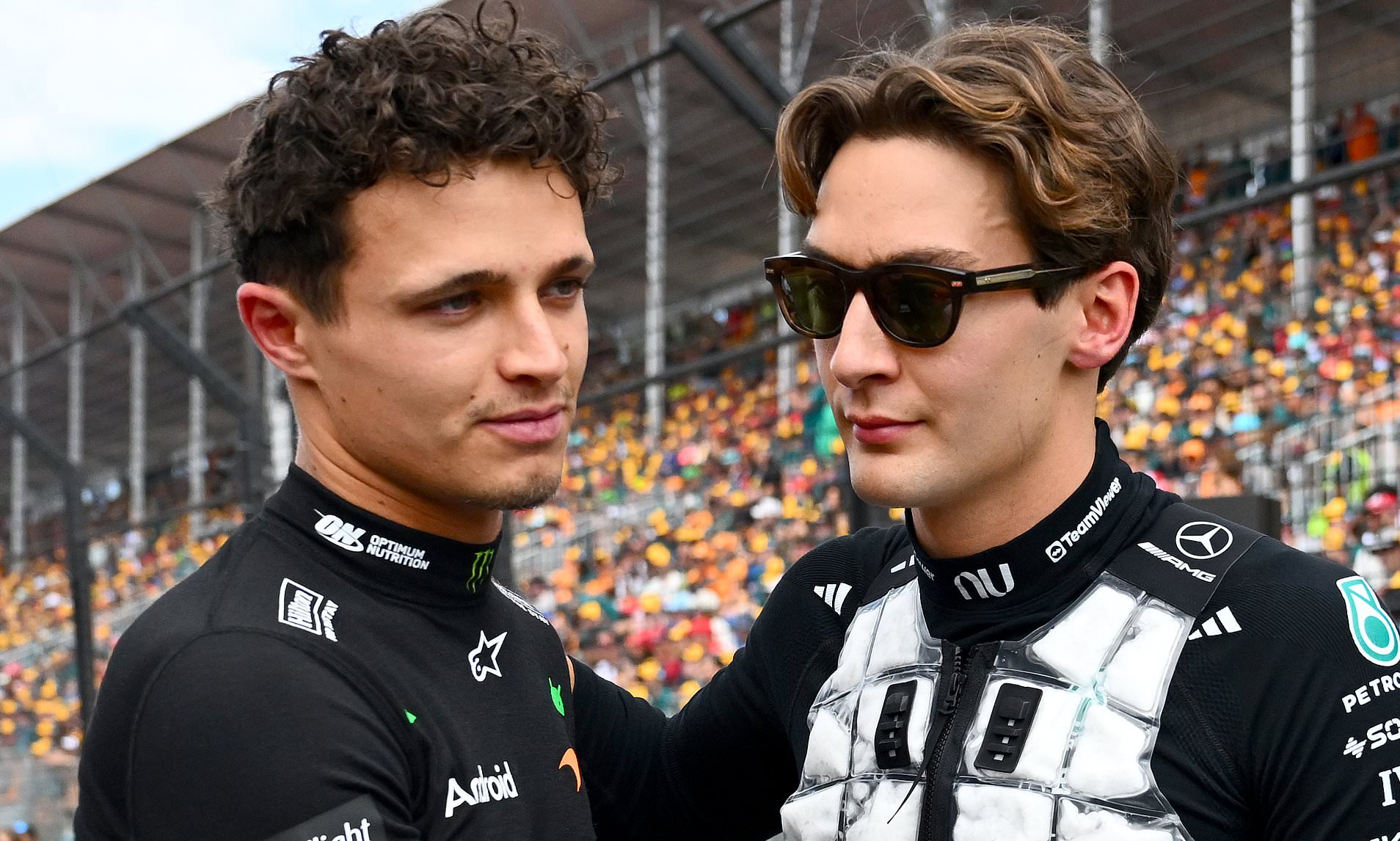
Formula 1 Calendar Shakes Up as Middle East Races Cancelled Amid Regional Tensions
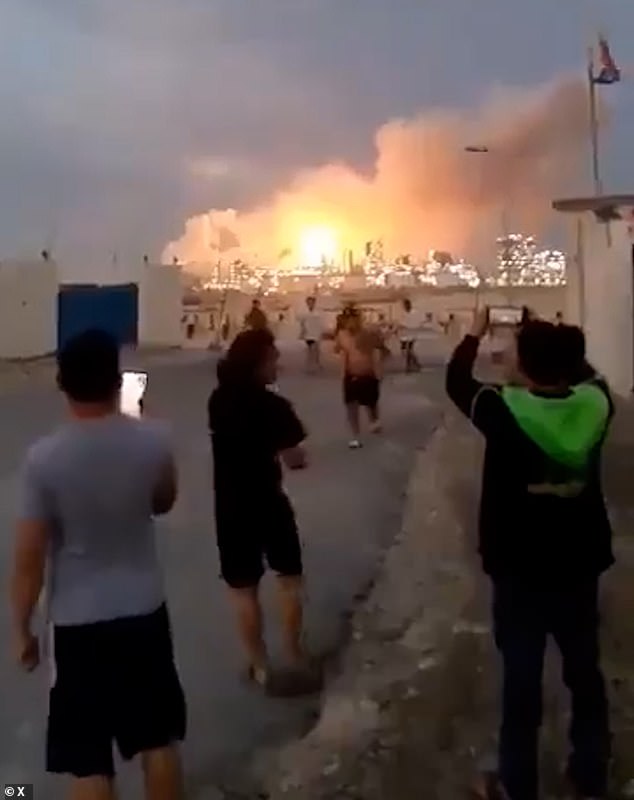
Formula One bosses have made the significant decision to officially cancel the Grand Prix events scheduled for Bahrain and Saudi Arabia next month. This move comes in response to escalating conflict in the Middle East, prompting a reassessment of the racing calendar.
The cancellation means that the two rounds will not be replaced, creating an unprecedented hiatus in the Formula 1 schedule throughout the entire month of April. This break will follow the Japanese Grand Prix on March 29 and precede the Miami Grand Prix, which is slated for May 3.
The sport’s governing body, the FIA, confirmed the decision, stating that the races would not proceed. While a number of alternative solutions were explored, it was ultimately decided that no substitute events would be arranged for April. This decision was reached after extensive consultation with Formula One Group, the local promoters of the affected races, and the relevant member clubs within the region.
FIA president Mohammed Ben Sulayem, who made the final call in conjunction with Formula One Group’s chief executive, Stefano Domenicali, emphasised the paramount importance of safety. “The FIA will always place the safety and wellbeing of our community and colleagues first,” Ben Sulayem stated. This sentiment underscores the gravity of the situation and the commitment to protecting all personnel involved in the sport.
The logistical implications of these cancellations are considerable. Formula One was preparing to dispatch a travelling contingent of approximately 3,000 individuals to the Middle East. The transportation of cars and other critical freight was scheduled to commence in the middle of next week, highlighting the swiftness with which these plans had to be altered.
The financial stakes of these events are substantial. Bahrain, a long-standing host of Formula One races in the region, reportedly pays up to £40 million to stage its Grand Prix. The Saudi Arabian Grand Prix, however, represents an even more significant financial contribution to the sport, with an estimated £60 million generated annually. This makes the Saudi event, alongside Qatar, one of the most lucrative destinations on the current 24-race calendar.
Furthermore, Saudi Arabia’s involvement extends beyond hosting fees, with state-owned Aramco serving as a major oil sponsor for Formula One. This partnership is valued at approximately £40 million per season. It appears that this sponsorship arrangement will remain unaffected by the race cancellations, indicating the deep integration of Aramco into the sport’s commercial landscape.
Even before the official decision, there was an acknowledgment of the leadership’s approach to such challenges. Seven-time world champion Lewis Hamilton had previously expressed confidence in Stefano Domenicali’s ability to navigate difficult circumstances, stating, “I know Stefano will do what is right for us and the sport. He is a great leader.” This sentiment reflects a trust in the management’s decision-making processes during times of uncertainty.
Looking ahead, Domenicali and Ben Sulayem are reportedly developing contingency plans for the races in Qatar and Abu Dhabi. These events, scheduled for the end of November and the beginning of December respectively, could prove critical in determining the outcome of the championship.
Sources within Formula One Management acknowledge the distance to these later-season races, noting, “Those races are a long way off. We have options but it is far too early to contemplate those events being pulled.” This suggests that while the situation is being monitored closely, immediate concerns are focused on the immediate calendar adjustments. The sport’s adaptability and commitment to ensuring a secure and exciting season, despite unforeseen challenges, remain evident. The decision to cancel the Bahrain and Saudi Arabian Grands Prix highlights the complex geopolitical landscape in which international sports operate and the difficult choices that must be made to prioritise safety and well-being.